After deciding to pursue a combination of Passive House and The Pretty Good Houseconcepts, which entail careful planning and attention to air sealing, along with a significant amount of insulation, we knew we could have a shot at Net Zero, or Zero Net Energy (ZNE) — meaning we could potentially produce as much energy as we use by utilizing solar panels on the roof.
To find an installer in our area, we utilized the website Energy Sage. In addition to useful articles and information about solar, they also work with installers who can provide consumers with competitive bids. It didn’t happen overnight, but in about a week or two, we ended up with 3-4 bids before deciding to go with Rethink Electric.
The guys from Rethink staging the panels on the garage roof.
The System
Based on the suggestions from Energy Sage and Rethink, we ended up going with the following system:
2.915 kW DC System
4,059 kWh of system production
11 Canadian Solar panels
265W Module Enphase M250 (Microinverter)
Also includes web-based monitoring of the system’s production
In theory, this system could produce more energy than we use (it’s just my wife, my daughter, and myself who will be living in the house), particularly if we stick to all LED lighting, use Energy Star rated appliances, the heat pump water heater works as advertised, and we’re careful about avoiding using electricity when it’s unnecessary (e.g. turning off lights after leaving a room, or trying to address phantom loads).
Anthony, from Rethink, air sealing the penetration through the Intello, our ceiling air barrier, with a Tescon Vana – Roflex gasket before sending his 3/4″ conduit into the attic.
Based on other projects I’ve read about, even homes initially built to the ZNE standard sometimes fail, in terms of overall performance, based on actual occupant behavior, so only time will really tell what impact our solar array will have on our utility bills. It looks like worst case scenario would be needing to add 4-6 more panels to get to ZNE or even carbon positive.
Anthony’s conduit entering the attic, sealed with a gasket from below.
Installation by Rethink went really well, and they were happy to work with me on properly air sealing the conduit that runs from the basement at the main panel before going up into the attic, where it eventually terminates on the roof when connected to the panels.
3/4″ conduit sealed for a second time on the attic side of the Intello.
The guys setting up the racking system for the panels.
Close-up of the base that’s holding the solar panels.
Anthony, Dan, and Cherif completing the install on the roof of the house.
The low profile racking system has a very sleek look.
Marking another big leap in the progress of the build:
The view of our 11 solar panels from our neighbor’s driveway.
Another view of the solar panels installed on the roof.
It was only after the installation that I realized what’s wrong with the following picture:
My screw up.
I was so worried about getting the air sealing details right on the interior, from the main floor to the attic, I completely forgot to let Anthony know about extending out his disconnect box 6″ to what will be our finished surface (once two layers of Roxul and two layers of 1×4 furring strips, along with cedar siding are installed). The day after they installed, I came walking around the corner of the house, saw this, and literally slapped my forehead (while spitting out a few choice expletives), as I realized my screw up.
Thankfully, Anthony was able to come back out and make the necessary adjustment:
The Cost
Here’s the cost breakdown on our system (if trends continue, a similar system should be less expensive in the future):
$12,519.50 Initial Investment
$(-3,755.85) Federal Tax Credit (ITC) 30%
$8,763.65 Net Cost of First Year
$(-3,816.00) Solar Renewable Energy Credits(SREC’s)
$4,947.65 Net Cost After All Incentives
It will be interesting to follow the performance of the solar panels over the course of a calendar year or two, just to find out exactly how well they perform. I’ll come back here and post monthly utility statements, noting output of the panels and our use, to give people a better sense of actual performance — hopefully this will help others in the planning stages of their own project to decide if solar (and how much of it) is right for them.
{January, 2021 Update: For actual energy demand and costs, please check out this post: Our Energy Bills}
We thought about using the Zip sheathing as our air barrier on the ceiling, attaching it to the bottom of the roof trusses, something I had seen on other builds, but after learning about Intello we decided to use that instead:
Floris Keverling Buisman, from 475 High Performance Building Supply, did our WUFIanalysis for us, and he suggested the Intello would be a better fit for our project. The Intello is a smart vapor retarder, so it can expand and contract when it’s needed, and it’s obviously less physically demanding to install than the Zip sheathing.
Once the air sealing was complete around the top of our outside perimeter walls, and the insulation chutes had been installed, we were almost ready for the Intello. At the gable ends of the house, one last detail needed to be put in place, circled in red in the picture below:
2×6 on its side, circled in red.
By adding this 2×6 on its side, which is in the same plane as the bottom of the roof trusses, it makes it possible to carry the Intello over the transition from the ceiling (under the roof trusses) to the walls (top plates). This is one of those details that is hard to ‘see’ when in the planning, more abstract, and two dimensional phase of designing a structure.
Another view of the 2×6 lying flat in the same plane as the bottom of the roof truss (far left).
Once the trusses were placed on the top of the walls and you start picturing how the Intello will be attached to the ceiling, it becomes much more obvious that something in this space at the gable ends of the house is needed in order to accomplish the transition from the ceiling to the walls.
Marking progress: Ceiling ready for the Intello.
After reading about so many other projects that utilized Intello, it was exciting to unwrap the first box.
Big day: opening the first box of Intello.
The directions are pretty straightforward, and the product is relatively easy to install as long as you don’t have to do it alone.
Reading through the instructions one last time before starting.
I didn’t get a chance to touch and feel the product before ordering (always fun to do with any new product), so here are some close-ups of the Intello to give you some sense of what it’s like:
Front: shiny side of the Intello — this side will be facing the living space.
I was curious about its strength and tried to tear it with various objects, including the cut ends of 2×4’s and the brackets we eventually used to help establish our service core. The material is surprisingly tear resistant, but a utility knife, or a stray sharp edge will cut through it (as our first plumber proved to me with his careless actions — a story for another post).
Back: matte side of the Intello — this side will be facing the attic.
Having never used the Intello before, I decided to start small and began by experimenting with it in a corner. Getting the corners fully covered while getting the material to sit flat before applying the blue Tescon Vana tape proved to be the most challenging part of using the Intello.
Starting in a corner to get a feel for how the material will work.
Here’s two more pictures of the flat 2×6 helping to make the transition from the ceiling to the wall on the gable ends of the house:
In order to attach the Intello to the bottom of the roof trusses, we used the staple gun shown below. Loading it is kind of counter-intuitive (online reviews complain about it not working out of the box, but my guess is — like me — they were trying to load it improperly), but once I figured it out, it ended up working really well, almost never jamming, and it’s very comfortable to hold because it’s so lightweight. It should work with any standard air compressor. It was available on Amazon, and in Menards (a local big box store here in the Chicago suburbs).
The staple gun we used to attach the Intello to the underside of the roof trusses.
We started with these staples:
But we ended up going with these instead:
They seemed to grab better (presumably the sharp ends make a difference), and they sit flatter on a more consistent basis (less time having to go back, or stop, to hammer home proud staples flat).
As we rolled out the Intello, it took some practice to get it to sit taught and flat before stapling.
The dotted lines near the edges of the Intello help you keep the rows straight as you overlap two sheets and progress from one row to the next. The lines also make it easier to maintain a straight line with the Tescon Vana tape (don’t ask me when I realized this latter detail — too embarrassing to admit).
Follow the dotted line…
We checked our initial row from above in the attic:
View from the attic as the first row is installed.
Working our way through the interior walls, especially the bathrooms, was more time consuming and took more effort (I grew to hate those interior bathroom walls — first the Intello, then the service core details described below), but once we were out in the open the Intello was fairly easy to install.
First three rows of Intello as they approach the basement stairwell. Note the insulation chutes in the b.g. in the attic — they took up so much time and effort, and now they slowly disappear (just like most important aspects of infrastructure).
View of the Intello from a corner of the attic — note the 2×6, far left, lying flat, that helps the Intello transition from the ceiling to the top of the walls.
Another view of the Intello from the attic after installation.
As Eduardo and Jesus rolled out sections of the Intello I followed, pulling on the Intello a little to help make it sit tight and flat before stapling it in place.
Eduardo and Jesus giving me a hand installing the Intello.
There were a couple of sections, some of the first ones we installed, that I managed to wrinkle (one, in particular, became problematic during our first blower door test — and, of course, it was in a tight spot around the bathroom shower area), but overall, the installation of the Intello went pretty well. Like most things you do for the first time, we got comfortable and good at it just as we were finishing up.
Eduardo and Jesus helping me finish up the main areas as a full moon makes the night sky glow outside in the background. It was a long day — longer still for Eduardo since Jesus was talkin’ trash and nonsense all day (they’re football teammates). Needless to say, Eduardo has the patience of a saint.
View of the Intello from the attic — offering up its 2001: A Space Odyssey glow.
After learning about a project on the 475HPBS website…
… we decided to use the Tescon Vana tape to cover the staples, as well as all the seams, in the Intello. I have no idea what actual impact covering the staples has on air tightness, but visually as you tape over the staples you can see how, if nothing else, it will help the staples resist pulling out under pressure from the eventual blown-in cellulose in the attic.
Even as the build progresses, it’s interesting how details like this pop up, making building “green” a never-ending process of learning something new — someone’s always coming up with a new product or a new way to do things better, faster, or less complicated — which makes the process itself very exciting.
OB — the Palatine High School legend — the man, the myth, helps me tape over the seams and staples in the Intello. One of the many jobs he’s been kind enough to help me get done. We’d be so far behind schedule without all of his help.
View from above what will be the basement stairwell while installing the Intello on the ceiling.
Almost finished installing the Intello — saved the hardest part for last.
This was a nice moment, being able to look back and see the Intello completely installed. It’s almost a shame that we have to cover it with drywall.
Intello installed and taped.
2×6 Service Core
A design goal for the ceiling was to keep mechanicals, like HVAC and electric, on the conditioned side of the ceiling air barrier. By doing this, we avoid having to insulate any ductwork for HVAC, or air sealing and insulating around ceiling lights. In effect, we completely isolate the attic, making its sole purpose (apart from ventilating our “cold roof” assembly) holding our blown-in cellulose insulation (this set-up makes it much easier to air seal the ceiling and get the insulation right — at least based on the projects I’ve read about). In order to do this, we created a service chase, or service core, with 2×6’s:
First couple of 2×6’s going in.
In addition to serving as a space to safely pass mechanicals through, the only other job for the 2×6’s is to hold up the ceiling drywall. The roof trusses, directly above each 2×6, are still carrying the load of the roof and stabilizing the perimeter walls.
Simpson bracket and fasteners we used to attach the 2×6’s to the underside of the trusses.
Here’s what the 2×6’s looked like with their brackets once everything was installed.
Service core 2×6 with bracket and Simpson SDS bolts.
OB and my wife were invaluable as they helped me cut and install all the 2×6’s.
We installed the brackets first, before raising up each individual 2×6 to fit against the brackets.
Jesus helping me install the 2×6’s.
Since the brackets were directly attached underneath a roof truss, we were able to keep the 2×6’s fairly straight, even when an individual board itself was less than perfectly straight.
Brackets installed before the 2×6’s go up.
A feisty Robin kept trying to set up a nest on our partition wall (our windows and doors aren’t in yet). Apparently she believed we had created an elaborate bird house just for her. It took almost a week before she finally gave up — but not before starting multiple nests in multiple spots along the wall.
Robin making one of her many attempts at a nest on our partition wall.
Along the outside walls, at the top of the wall assembly, there was a gap that we utilized for maintaining continuous insulation. This meant there will be no break in our thermal layer going from the blown-in cellulose insulation in the attic to the monolithic layer of Roxul Comfortboard 80 (2″ + 2″) that will be on the exterior side of the Zip sheathing.
Adding Roxul at the top of our wall.
Close-up of the Roxul going in on top of the top plates.
Another view after the Roxul has been installed.
Marking further progress: Intello and 2×6’s installed.
Once the 2×6’s were up, we had to install our pieces of 1×4 in order to prevent the 24″ of blown-in cellulose that will be going into the attic from causing the Intello to sag.
The plans called for the 1×4’s to be installed right after the Intello but before the 2×6’s, which would have been a lot easier and quicker, but, unfortunately, the GC’s we fired installed the interior walls too high, making this impossible.
Here’s what it should’ve looked like if we could’ve done Intello and then the 1×4’s (photos courtesy of 475 HPBS) before installing the 2×6 service core:
Having no choice but to methodically cut each 1×4 to fit between each set of 2×6’s, OB was nice enough to help me get it done.
Installing the 1×4’s between the 2×6’s began with some experimentation:
Using L-brackets at first — it proved too time consuming and expensive.
After experimenting with a finish nailer (too easy to miss and penetrate the Intello), we eventually settled on Deckmate screws. It was definitely a laborious process, but eventually we got into a rhythm and got it done, although we wouldn’t recommend doing it this way — way too time consuming.
Completing our service core.
We tried to keep the 1×4’s about 16″ apart, which should prevent any significant sagging in the blown-in cellulose from occurring (I’ll post photos once the cellulose has been put in the attic).
A lot of blood, sweat, and tears have gone into completing this house.
Here’s some proof:
A decking screw got me.
In trying to avoid puncturing the Intello, I would hold a couple of fingers on the back side of the 2×6, feeling for any screws that would come through on a bad angle. A couple of times I drove a screw too quickly and paid the price.
View of the service core from the basement. Installing the 2×6’s and the 1×4’s also required walking the plank a few more times.
OB making my life easier as I work on the plank installing the 1×4’s.
Maintaining the Intello After Installation
Unfortunately, there was a delay in getting shingles on our roof, due in large part to our first disorganized and incompetent plumber (again, more on this later). Consequently, we were in the awkward position of having our ceiling air barrier and service core all set up but every time it rained we still had a leaking roof. In most areas it wasn’t a big deal, but in about a dozen spots rain would collect and, in some cases, cause a bulge in the Intello as it held up the weight of the captured water. To relieve and ultimately to avoid this pressure, I cut small slits in the Intello where the rain would consistently collect.
Slit in the Intello to allow rain water to fall through, marked with a red marker for easy identification later.
Once the shingles were finally on, I went back and found all of these slits and taped over them with the Tescon Vana.
Hole in the Intello covered and air sealed with the Tescon Vana tape.
We also found a couple of weak spots in the Intello as we installed it, and even later, during the installation of the service core. These spots were marked as well, and they, too, got covered with the Tescon Vana tape just for added insurance against air leakage.
Weak spot, or imperfection, in the Intello. This got covered with Tescon Vana as well.
After having to fire our GC’s, we couldn’t have kept the project going without the help of family and friends. As awful as some aspects of the build have been, it’s been heartwarming to find people willing to help us see the project through to the end (much more on this later).
Couple of Cheshire cats — clearly up to no good — helping us to keep the job site clean.
Our structure was designed with a “cold roof”, or ventilated roof assembly. By having continuous ventilation in our north and south soffits, with a ridge vent on the top of our roof, outdoor air can freely enter the soffits and exit out the roof’s ridge vent. The benefits of this set-up are explained in these comprehensive articles:
In order to make this kind of roof assembly work, insulation baffles or insulation chutes are necessary, especially if the attic is going to have any kind of significant amount of insulation, in particular blown-in insulation that could potentially move around and block off the soffit ventilation from the attic, thereby short circuiting air flow from the soffits through the roof’s ridge vent.
When it was time to install the insulation baffles, I assumed I could just go to one of the big box stores and (thankfully for a change) just buy something off the shelf. It didn’t work out that way.
At Home Depot they had Durovent (a foam based insulation baffle) and an AccuVent baffle (black plastic). Both were a disappointment.
I didn’t buy the Durovent — even just seeing it on the shelf and handling it in the store, it looked cheap and unimpressive. It was hard to imagine it holding up under the pressure of any significant amount of blown-in insulation pressing against it.
The AccuVent product Home Depot carried only worked in a straight line (no curve to wrap over the back of the Zip sheathing at the top of the wall assembly), ideal for a cathedral ceiling application. After looking around online, I found this other AccuVent product:
Seeing the video made me think it would be an easy installation, but once I had the product on the job site and tried to install one, the realization hit that they would be a pain to properly air seal, and again, I had concerns about blown-in insulation pressing up against it for years.
AccuVent on the job site. It’s hard not to look at these foam/plastic baffles, regardless of brand, and not think: “flimsy”.
Here’s the specific product info:
And here are the installation instructions:
When I realized the AccuVent wasn’t right for our project, it was a moment of, “Uh-oh, now what the hell do I do?”
I assumed there must be a sturdier plastic baffle, but I never found one. Instead, I came across this article:
It was nice to have a solution, but I also knew it would be time consuming and back breaking (also neck straining) — the only thing worse than working with sheet goods is working with sheet goods above your head on a ladder. Nevertheless, I would sleep better knowing it was panels of OSB rubbing up against 2 feet of blown-in cellulose insulation rather than sheets of flimsy plastic. Long term solutions do wonders for peace of mind.
First insulation chute installed.
I used small, cut pieces of 2×4 (six per OSB sheet) as a screwing base (visible in the photo below) to install each insulation chute — screwing the blocks first to the roof trusses, then, after putting the OSB into place, screwing through the OSB and into the bottom of each 2×4.
The blocks were first screwed to the trusses, before each sheet of OSB was attached to the 2×4 blocks from below.
Then, after installing each sheet of OSB, I went around the perimeter sealing all the gaps. Here’s the product I used for that:
The OSI sealant I used to cover the gaps.
Here’s what the chutes looked like once they were installed on the south side of the house:
And this is what the chutes looked like when completed at the top of the Zip sheathing:
There weren’t always sizable gaps where the OSB chute met the top of the Zip, but when there were, this was pretty typical:
Same area after adding a thin piece of OSB to help cover the gap, and then sealing the area with the OSI sealant:
Looking down a chute before sealing with the OSI:
Gaps visible at the edges before sealing them up with the OSI.
Same view after sealing up the gaps:
I showed up on a rainy morning to continue installing the chutes, and this picture shows the dramatic before and after view of without chutes and with chutes installed and sealed:
On the left: no chutes and light visible through the soffit. On the right: chutes installed and completely sealed.
Here’s a long view of the chutes:
49 installed with one to go (far left corner).
Final chute installed and sealed.
View from outside showing the ends of some of the OSB chutes peeking over the edge of the soffit.
Closer view of the top of the Zip sheathing meeting the OSB chute.
In the attic with the insulation chutes in the background, after the Intello was installed on the ceiling below.
Once the chutes were installed, I was finally ready to put the Intello on the ceiling, which thankfully I didn’t have to install by myself.
[December, 2020 Update: If you’re trying to avoid the time and materials associated with installing site-built plywood chutes, a newer (at least to me) product like Smart Baffles is probably worth considering:
Although, as with any new product, it’s worth the time and effort to do a mock up, in this case with a roof assembly (much like the one shown in their video), along with a partial wall assembly, in order to see how the product works (evaluate the durability of the product, ease of installation, final fit, etc.), especially where (and how) the baffle will meet up with the top of the outside walls.With a mock up, you can avoid (or work through) any issues with the product before you’re on the job site actually installing them (when time and money really matters).]
Once the wall assembly details were figured out, and our ceiling set-up detailed, the transition between the two became the next challenge. In other words, how to carry the air barrier over the top of our exterior walls.
Using a waterproof peel-and-stick membrane to wrap over the top of the wall (going from exterior sheathing — in our case 7/16″ Zip sheathing — to interior side of the top plates) seemed like the easiest way to maintain a continuous air barrier at the wall-to-roof junction. The membrane would also have a nice air sealing gasket effect after the trusses were set in place.
I also found this excellent Hammer and Hand video on YouTube (one of their many helpful videos):
Also, by being able to carry the Zip sheathing up above the top plate of the wall, hugging the bottom of the trusses, meant our 4″ of Roxul Comfortboard 80 over the Zip sheathing would rise above the top of our walls, so that thermally we would be protected going from the exterior walls to the attic, which will be filled with 24″ of blown-in cellulose — making our thermal envelope continuous for the whole house: under the basement slab – exterior of foundation – exterior walls – attic (except for one small gap at the footing-slab-foundation wall connection, which I talk about in a separate post: Foundation Details).
A high R-value wall meets up with a high R-value attic, with no thermal bridging, making our thermal layers continuous. When this is combined with an equally air-tight structure, conditioned air cannot easily escape — resulting in a significantly lower energy demand for heating and cooling (and therefore lower utility bills), and added comfort for the occupants.
Here’s a nice illustration from Fine Homebuildingmagazine showing a similar set-up:
Illustration from Fine Homebuilding magazine.
I tried using rolls of conventional peel-and-stick window flashing membrane, purchased from Home Depot and Mendards, but they performed poorly, even in unseasonably warm temperatures for February in Chicago.
I then switched to Grace Ice and Water Shield, normally used as a roofing underlayment along the first 3-6′ of roof edge.
Purchased this box at Home Depot.
Since it came on a long roll about 4′ wide, my wife and I cut it down to a series of strips that could more easily be applied to the wall-top plate connection.
While the sun was out, the Grace membrane worked fairly well, especially when pressure was applied with a J-Roller.
Grace Ice and Water Shield applied to the top of our wall — covering the Zip sheathing/top plate connection.
Unfortunately, the sun and warmer temperatures didn’t stick around long enough for me to finish.
Using a J-Roller to get the Grace Ice and Water Shield to stick better.
This Simpsons sky didn’t last long. In a matter of hours it was back to rainy, gray, and cold — typical Chicago winter weather for February.
When the weather went gray and cold again, we started to use a heat gun to warm up the Grace membrane, which had turned stiff and nearly useless in the cold.
Wagner heat gun for warming up the Grace membrane.
After wasting a lot of time and effort trying to pre-heat the Grace membrane before installing it, I finally relented and switched to the much more expensive (but also much more effective) Extoseal Encors tape from Pro Clima. Where the Grace membrane lost virtually all of its stickiness, the Extoseal Encors stuck easily and consistently, with the J-Roller just helping it to lay flatter and more securely.
Pro Clima’s Extoseal Encors available from475 HPBS.
It was a case of trying to be penny wise but ending up pound foolish. Looking back, I would gladly pay an extra $300 in materials to have those hours of frustration back (including the time it took to run to the store and buy the heat gun, which turned out to be ineffective anyway).
Finishing up the top of the wall.
After finishing sealing the Zip sheathing-top plate connection on all the outside perimeter walls over the weekend, it was time for the trusses to be installed.
Trusses
Zach asked me to stand by the front door rough opening and give the crane operator hand signals. It was a fun way to watch the roof take shape.
First truss swinging into place.
Sammy, Zach, and Billy (out of view to the right), landing and setting the trusses.
Once the trusses neared the front door, Zach could signal the crane operator himself, so I was able to get some shots from just outside the construction fence.
Sammy, Zach, and Billy landing trusses on the garage.
Setting the trusses on the garage. The basic silhouette of the house starts to come to life.
Once the trusses were on, and the guys had a chance to install the final top row of Zip sheathing (up to the bottom of the trusses on the exterior side of the wall), I could move inside to seal all the connections from the interior.
Top of Wall (Interior)
Because of the cold, the Grace membrane was beginning to lift at the edges in certain spots, so just to make sure it had a nice long-term seal, I went around the perimeter of the house and used a layer of Tescon Vana (3″ wide) tape to seal the edge of the Grace membrane.
Trusses sitting on Grace and Extoseal Encors (other sections of top plate), with the final, top row of Zip sheathing sealed to the trusses with HF Sealant.
The picture below shows all the connections involved: top of Zip sheathing meeting the roof trusses and the top plate of the outside wall:
HF Sealant helps to air seal the Zip-truss and Zip-Grace/Extoseal Encors connections.
Looking up at the top row of Zip sheathing attached to the outside edge of the raised heel trusses.
Shingles
We had to wait for shingles for quite some time. First we had to fire our GC’s, and then I had to find a roofer and a plumber (to make penetrations through the roof before the shingles went on). But before the plumber could even start, I had to get the Intello installed on the ceiling. And even before that, I had to figure out the insulation baffles, which I’ll talk about in a separate post.
It took awhile to find a roofer since they would have to make three separate trips for a relatively small job. The first trip was just to set down the Grace Ice and Water Shield at the edges of the roof, along with a synthetic roof underlayment (the consensus was that typical roofing felt wouldn’t hold up to long term exposure). As it turned out, it took weeks before the plumbers made their penetrations through the roof sheathing (literally the day the roofers showed up — a long, horrible story in and of itself that I’ll save for later).
Synthetic underlayment covering the ridge line until the shingles and a ridge vent can be installed.
The second trip out was to install the shingles on the roof of the house, while the third trip to install shingles on the garage roof could only happen after the Roxul on the exterior of our Zip sheathing was installed (in order to make a proper sealed connection between the wall of the house and the garage roof).
There weren’t many roofers willing to work with our unique Passive House sequencing, but our roofer was kind enough to take it on.
Grace Ice and Water Shield rolling up on itself after the wind got ahold of it.
Unfortunately, the day after the guys installed the Grace membrane and the synthetic underlayment, we had a cold, blustery day. Once the wind grabbed the Grace membrane, the membrane rolled up on itself, turning it into a real mess.
Because of our recent past bad experiences with general contractors, I just assumed I was on my own, so I spent a couple of hours putting down new layers of the Grace membrane. When Peterson roofing found out, they were shocked I did it myself, and assured me I could’ve called them and they would’ve come back out. We were so used to people not following through, that low expectations meant it didn’t even occur to me to call them.
We initially were going to use Certainteed’s Landmark TL shingle, which mimics a cedar shake shingle profile, but Armando from Midwest Roofing Supplyin Schaumburg, Illinois was kind enough to take the time to walk me through the options available, and explained that because our roofline isn’t steep, only the neighbors from their second story windows would get to appreciate the effect. He recommended we save some money, while not giving up on quality or durability, and go with the Landmark Pro product.
Shingles going down on the roof of the house.
The shingles went on quickly since we have a relatively small and simple roof. In addition to the aesthetic leap the shingles made on the appearance of the structure, it also meant I didn’t have to go around cleaning up the subfloor every time it rained.
Although the synthetic underlayment worked pretty well at keeping the rain out, if there was significant wind combined with rain, the water easily found its way under the underlayment where it could then drip and fall on the subflooring below — pretty depressing showing up to the job site after a hard rain knowing I was going to spend the first hour just cleaning up and looking for leaks.
Seeing this felt like a tremendous amount of progress was being made. It also meant an end to our roof leaks on the interior.
Shingles going on quickly. Only two penetrations through the roof — main waste stack and radon.
After they cut the opening for the ridge vent, but before it was installed, I managed to get this shot from inside:
This project began for us back in the summer of 2014 — nearly three years ago — when we first sat down with Brandon Weiss in what was then his new office in Geneva, Illinois. As detailed here…
PHIUS (Passive House Institute US) did not seem like a resource we could utilize — the Passive House world is small, smaller still when you reduce it to a single geographical area like Chicago and its surrounding suburbs. And the thought of interviewing conventional builders, and trying to convince one to take on the detail required in a Passive House level build, seemed overwhelming.
As a result, we decided to go with two guys close to home who have conventional building experience.
The logic underlying the relationship was that they would GC the build, taking care of all the conventional building details, while I took care of all the Passive House details.
Unfortunately, this proved fruitless.
Events revealed they didn’t have the requisite skill set necessary to complete the job, and we have subsequently taken over the project ourselves. It’s taken weeks to get things back on track, hence the delay in posting anything new regarding the progress of the build.
When the build is complete, I’ll return to this matter, offering more details that will hopefully help other consumers who want to build a new house avoid our unfortunate experience.
New beginnings.
The really sad thing is there are quality people who make a living as general contractors, but unfortunately it remains a minefield out there for consumers without meaningful connections. If you don’t already know the answer to the question ‘Who should build our new house?’ before you start the process, then it’s truly a case of caveat emptor. And if things should go poorly, you will feel like you’re on a very lonely island.
In a conventionally built home, mudsills are typically an area of significant air leakage (if you’ve ever seen sill sealer — a thin layer of foam normally used to address this lumber-concrete connection — under an actual mudsill, you can visibly see just how poorly it performs).
In contrast, after reading about various strategies employed to reach the Passive House standard of 0.6 ACH@50 for air tightness, I decided to use the approach developed by architect Steve Baczek specifically for mudsills. There is an excellent article in Fine Homebuilding magazine that describes the details, and there is a companion series of videos available on Green Building Advisor(after the first video, membership is required, but it’s well worth it for this series of videos, as well as all the other information available on GBA).
We didn’t use the layer of poly, or the termite shield, but the remaining details we followed fairly closely. And we did make one product substitution — instead of using the Tremco acoustical sealant, we decided to go with the Contega HF sealant (less messy, lower VOC’s, and skins over and firms up enough to apply the Pro Clima tapes, all while remaining permanently flexible like the Tremco product — these products are available at foursevenfive.com).
Billy and Phil setting up chalk lines for the mudsills.
Nils applying a thick, continuous bead of Contega HF sealant, including around the bolts, before the 2×6 pressure treated sill plate gets installed with a BG65 gasket underneath.
BG65 gasket from Conservation Technology stapled to the bottom of a scrap piece of sill plate.
BG65 gasket rolled up in the box it shipped in.
Sammy and Billy stapling the BG65 gasket to the sill plates before installation.
Mudsill installed with some squeeze out of the sealant.
Installing the sealant on the mudsill (interior/exterior edges, seams, and bolts/nuts/washers) required some gymnastics:
In theory, she’s helping me.
Mudsill after installation: sealant covering sill plate – BG65 gasket – concrete connection, with seams filled.
Once again, based on Steve Baczek’s design — going from exterior to interior — here is our Mudsill Air Sealing Approach:
Bead of sealant on the exterior side of the 2×6/foundation connection
BG65 gasket under the sill plate — along with a thick bead of sealant under the gasket and sill plate (including around bolts)
Bead of sealant on the interior side of the 2×6/foundation connection
And then, finally, a taped connection on the interior side of the 2×6/foundation connection as a last line of defense against air infiltration (which I’ll complete once all the trades go through the interior of the house).
The approach assumes I will make mistakes at certain points with each layer of air sealing, so I’m counting on these layers of redundancy to protect me from myself. Again, this is the first time I’ve ever done this, so the theory is that even if I make a mistake in one area, it’s unlikely that I will make a mistake in exactly the same spot with successive layers of air sealing.
Obviously I’m trying to do my best with each layer, but I like the idea of added layers of protection (a Passive House obsession), especially when accounting for the long-term life of the structure. Even if each layer could be installed perfectly, presumably each layer will fail eventually at different times and in different places (hopefully 50-100 years from now if the accelerated aging studies are accurate), so hopefully these layers of redundancy will help maintain significant air tightness far longer than if I chose to use fewer layers. Plus, I’m enjoying sealing everything up, so I don’t mind the process, which always helps.
For larger gaps (not just for mudsills, but anywhere in the building envelope), roughly 3/8″ inch or larger, I am utilizing backer rod to help fill the gap before applying sealant.
This is what it looks like:
The backer rod (readily available at any hardware store) makes life easier for caulks and sealants — less stress on the connection between materials as the inevitable expansion and contraction occurs in the gap.
Hammer and Hand’sBest Practices Manualhas the best explanation for their use that I’ve come across:
“While the humble sealant joint may be uncelebrated, it is vital to building durability and longevity. Proper installation is key to sealant joint integrity and function throughout a life of expansion and compression, wetting and drying, exposure, and temperature fluctuation.
Note: Because sealants are just as good at keeping moisture in as they are in keeping it out, placing a bead of caulk in the wrong location can result in moisture accumulation, mold and rot, envelope failure, and hundreds of thousands of dollars in repair and remediation. If we know anything, we know that building envelopes will get wet – the question is, “where will the water go?” Make sure you know the answer throughout construction, especially as you seal joints…
Diagram courtesy of Hammer and Hand’s Best Practices Manual.
… Joint Rule of Thumb: Sealant should be hourglass-shaped and width should be twice depth (shown in diagram). Backer rod diameter should be 25% larger than the joint to be filled. Joint size should be 4x the expected amount of movement (usually about 1/2” of space on all sides of the window casement). Ideal joints are within a range of 1/4” at minimum and 1/2” at maximum. Joints outside this range require special design and installation. Always use the right tool: sealant is not caulk and should never be tooled with a finger (saliva interferes with bond). Substrates need to be clean, dry, and properly prepared (primer if necessary). When dealing with thermally sensitive materials, apply sealant under average temperature conditions because joints expand and contract with changes in temperature…”
Example: Piece of backer rod being inserted into gap between header and 2×6.
It’s not visible, but the wood-concrete connection at the side wall has a piece of backer rod embedded between the two materials, making it easier for the sealant to bridge the gap over the long term.
Air Sealing: Rim Joist – Floor Joist – Mudsill Connections
Since there was time between completion of the rim joist/floor joist installation and the installation of the sub flooring (a weekend), I took the opportunity to seal up all the visible connections.
Billy and Johnny installing the floor joists.
Once the subfloor goes in, these connections are still accessible from inside the basement, but the space to work in would be really cramped and uncomfortable (at least I thought so).
Rim joist – floor joist – mudsill connections prior to sealant being applied.
The same areas after applying the sealant:
I found the silver Newborn sausage gun (photo below) worked great for thick beads under the mudsills, but the blue gun worked even better for all other seams. Because the blue gun utilizes disposable tips, it was easy to cut the tip to exactly the size I needed, thus using (wasting?) less material (and hopefully saving a little bit of money).
An added benefit of the disposable tips is less time required for clean up at the end of the day (always a good thing). Both guns work great, and appear to be really well-made, although I would probably only buy the silver one again if I consistently needed a fat bead of sealant.
Newborn sausage guns I found on Amazon. The blue one works great for thin beads, the silver for thicker beads (e.g., under mudsills).
In the photo below, I filled larger gaps with either backer rod, or in the case of the largest gap, bits of pulled apart Roxul Comfortboard 80, before applying the sealant. Since this is the first time I’ve done this, these are the kind of connections that I failed to anticipate beforehand. They are definitely worth planning for.
The temptation is to just fill these kinds of voids with sealant, but for the long-term durability of the connection backer rod or some kind of insulation stuffed into the gap is a better solution. Filling the voids before sealing doesn’t take much additional effort, so it’s definitely worth taking the time to do it right.
Knee Walls Installed
Because our lot is sloped, the plans called for a series of knee walls:
The guys installing the knee walls (left to right: Johnny, Nils, Sammy, and Billy).
When I saw the first piece of Zip about to be installed, I realized the bottom edge, which is exposed OSB, would be sitting directly on top of the Roxul on the foundation. While it’s unlikely that water will find its way to this edge (the flashing for the wall assembly will be installed over the exterior face of the Zip at the bottom of the wall), it seemed like a good idea to tape this edge with the Tescon Vana for added protection and peace of mind (even if it only protects this exposed edge until the rest of the wall assembly is installed).
First piece of 7/16″ Zip wall sheathing installed.
Knee wall pictured below had all exposed seams in the framing lumber filled with the Contega HF sealant before also applying the Tescon Vana tape, all of which was done prior to the Zip sheathing being installed. The sealant takes about 48 hours to cure enough before you can effectively cover it with the Pro Clima tapes (something to consider when setting up scheduling goals).
Knee wall being covered in Zip sheathing.
Close-up of knee wall with Zip sheathing and sealed seams.
For the bottom, exposed edge of the Zip sheathing, I cut the Tescon Vana tape like I was wrapping a present…
Taped bottom edge of Zip sheathing over face of mudsill.
Once the Zip sheathing was installed on the knee walls, I could move into the basement and seal up the connections between the Zip and the framing members, in addition to hitting any seams in the framing itself.
Once the house gets closed in, I will go back and tape the connection between the top of the foundation and the mudsill for one last layer of protection against air infiltration.
Knee wall with Zip sheathing after sealing up all the connections.
Subflooring
We decided to use Huber’s Advantech Subflooring after years of reading about it in Fine Homebuilding magazine, and based on the online comments from installers who see the added benefits that come with what is an admittedly higher price point. For instance, it’s more resistant to moisture, so it should produce more stable, flatter flooring (e.g. hardwood or tile) when the house is complete, in addition to preventing annoying floor squeaks.
First sheets of subflooring being installed by Billy, Phil, and Nils.
In order to maintain a high level of indoor air quality (IAQ), we’ve been seeking outlow or no VOC products. So, in addition to the Advantech subflooring, which is formaldehyde-free, we chose the Liquid Nails brand of subfloor adhesive (LN-902/LNP-902) because it is Greenguard certified. Another great resource for anyone trying to build or maintain a “clean” structure is available at the InternationalLiving Future Institute website: The Red List
The product takes much longer to dry when it’s cold and wet outside — at least 2-3 days in our experience (sometimes even longer). It’s nice to see more “green” products showing up in the big box stores, rather than having to always special order them.
Standing by what will be the kitchen door. The subflooring was installed with nails and Liquid Nails subfloor adhesive.
Corner of our slowly growing wall assembly. The connection between the subflooring and the top of the rim joists was eventually sealed with the Contega HF sealant.
Basement slowly being covered by subflooring:
Walls Go Up
Our wall assembly is almost entirely based on Hammer and Hand’s Madrona House project, which I discuss here: Wall Assembly
Our blank canvas.
In preparation for construction, I built a mock wall assembly in order to easily explain to anyone on site how the various components should go together. It also gave me a chance to practice using the Contega HF sealant, along with the various Pro Clima tapes from 475 High Performance Building Supply.
It’s been exciting to see the walls go up, incorporating the many details in the mock wall assembly.
Men at work: Zach, Phil, and Sammy laying out the walls.
Zach and Phil installing the Zip sheathing over the framing.
Phil laying down a consistent and continuous bead of construction adhesive (trying to avoid a bead that runs back and forth between fat and thin), before the Zip sheathing is installed.
We were fighting the rain, ice, and mud, but I was able to get the Tescon Vana tape over some of the seams in the Zip sheathing before the walls went up.
Sammy and Billy help me apply the Contega HF sealant to each nail hole, and then make it lie flat with a swipe of the spatula, so the Tescon Vana tape that will be applied later will also lie flat.
Section of wall nailed, taped, and nail holes caulked — ready to be raised up.
The final step before the walls were raised was to staple the B75 gasket to the bottom of each sill plate.
First section of wall going up: Billy, Zach, and Sammy doing the heavy lifting.
Zach establishes plumb, while Phil readies to make the wall secure.
The guys continue with the south walls.
View from south-east corner of the house with the guys framing in the shadow of the water tower:
The only section of wall where the B75 gasket rolled up on itself is shown below — no doubt because this was the most difficult section to get into place because of the stair opening. Otherwise, the guys had no issues with the gasket.
Even on this wall where the gasket did roll up on itself, I will cut off the excess that ended up on the interior side before sealing the connection with the subflooring, and then spend some time filling the void on the exterior side with backer rod and sealant as well.
Zach is the only dedicated, full-time framing carpenter on the crew (the other guys do a variety of carpentry-related work). He has a production background, and it shows with the energy and ease with which he works. He clearly enjoys what he does for a living (In photo: Zach, Sammy, and Billy). Sammy and Billy may not realize it yet, but they’re learning a lot from him (even if he does razz them all day long).
Below you can see some of the junctions where different materials meet, and the effort that’s going into air sealing these inevitable gaps: sealant at rim joist corners, rim joist – subfloor connection, and gasket under the wall sill plate:
Wall is up.
Same corner as above, but now looking down the exterior side of the wall.
We’ve tried very hard to keep foam out of the wall assembly and the overall structure itself (based on environmental concerns), however, one place where it did find its way in was the insulated headers for above our windows and doors:
Billy and Sammy putting the insulated headers together.
End of the day. The fourth wall awaits.
First look at what will become our front facade.
Once the perimeter walls were up, I went around with an impact driver and decking screws to tighten the connection between the Zip and the framing members, especially at the top of the walls. Although the Liquid Nails adhesive helps a lot, it still makes for an imperfect connection between the sheathing and the framing members:
Looking down at the top plate. The visible gap is between the side of the top plate and the Zip sheathing. I was able to close gaps like this one at the top of the walls using decking screws. The decking screws also closed similar gaps around window and door rough openings. This should make sealing these areas easier, and the connection more durable.
Leaning over the top of the wall to install the decking screws.
Having seen construction adhesive and nails in action, I would recommend a glue-and-screw approach if you’re trying to fully maximize the tightness of the connection between the sheathing and the framing.
Nice view as I apply the sealant.
My wife giving our Zip sheathing blue chicken pox with the Tescon Vana tape in order to seal all the nail holes.
It’s difficult to see, but this tape is embedded inside a sheet of ice. It rained overnight, before turning to ice. We’re asking a lot of these tapes and sealants. This piece of tape looks like fingertips holding on for dear life.
The Beast gets a first glimpse of the view from her bedroom window.
I was wondering why I would ever need more than one of these. Now I know — bent, scratched, and cracked, the Pressfix from475 HPBS did its job well.
For the top of the footings we used a product from Cosella Dörken called Delta Footing Barrier. Acting as a capillary break, the membrane is supposed to help prevent moisture from wicking up from below the footing, where it could then migrate into the foundation wall and into the basement, or even the wall assembly above (worst case scenario), causing mold or other moisture related damage. It should contribute to making the basement a very livable space (especially when combined with significant amounts of insulation on the exterior walls and under the slab).
Here’s a detail from the construction drawings:
Red arrow shows thermal bridge and gap in the vapor barrier up through the footing from surrounding soil if Delta membrane were not present.
In other words, this junction represents a weak point in our thermal envelope and vapor barrier. Passive House proponents often talk about using a red pen on a construction drawing to follow the air barrier and thermal envelope (the goal: no gaps in air sealing or the layers of insulation) . In theory, you should be able to do this all the way around the structure without once lifting your pen. If you can lift your pen (meaning there’s a gap in your air barrier or thermal envelope — which would be the case without the Delta membrane on top of our footing), then it’s a weak point that should be addressed (if at all possible).
Even with significant insulation on the exterior wall of the foundation (Roxul Comfortboard 80: 2″ + 3″), along with a sprayed-on waterproofing membrane, as well as a vapor barrier (Stego Wrap) and insulation (Roxul Comfortboard 80: 2″ + 2″) under the basement slab, this junction where the three elements meet — slab, footing, wall — is a weak point. Although it doesn’t address the weakness in R-value, at least it should keep the moisture at bay (probably the biggest complaint associated with basements).
With a 9′ basement, we’re hoping the temperatures at this depth are consistently mild enough to avoid any kind of significant energy penalty. I’m confident this will be the case because in our last home, a typical suburban tract house without much insulation, the basement always stayed cool in the summer and warm in the winter, even though the ducts to the basement had been closed off so the space never saw any direct benefit from the HVAC system.
For minimal cost in materials, the Delta membrane seems well worth it for the added peace of mind.
Rolls of Delta Footing Barrier on site and ready to go.
Here is a video and some photos from our job site:
The guys from Tynis Concrete didn’t seem to mind trying something new, and the membrane went on without any issues.
A corner of the footing with the Delta membrane “keyed” into the footing.
I couldn’t find any local suppliers who carried the Delta membrane, so I ordered online from: spycorbuilding.com
Detail of the bottom of our hole, being prepped for the footings.
Foundation Walls with Roxul Comfortboard 80
For the walls, first we used a spray-on waterproofing membrane from Tremco:
After the waterproofing was complete, we began installing the two layers of Roxul Comfortboard 80 (a dense, rigid form of insulation that can be used below grade, to the exterior side of wall sheathing, and even under a basement slab), which will give the basement foundation walls an R-20 of insulation value.
Roxul delivery shows up on site (Comfortboard 80: 2″ and 3″ thick). Roxul is showing up in the Big Box stores here in the Chicago area, so it’s becoming easier to order.
When questions came up about how to install Roxul, or which product to use where, their technical help via email was great — in our case, Fiona Schofield, who gave us a lot of useful information — including the document below, a study on the long-term condition of Roxul (aka stone, rock, or mineral wool) in a below grade application (i.e. up against an exterior foundation wall):
In addition, after finding the video below online, in which what looks to be a European version of Roxul is attached to a cinder block wall with an adhesive, or a thinset mortar,
I contacted Fiona and heard back that it was ok to use an adhesive for our first layer (PL Premium, or similar polyurethane adhesive caulk), so long as we used a mechanical fastener for the second layer. In effect, the first layer just needs to stay on long enough for us to get the second layer up and attached with a mechanical fastener. This really saved us some time since the guys didn’t have to drill two full sets of holes.
Sammy hitting the back of the Roxul with Liquid Nails before setting it into position. The adhesive worked really well at keeping the Roxul in place, even when the foundation was damp in certain areas.
The guys also didn’t seem to mind cutting or otherwise working with the Roxul. We used serrated knives we purchased from Home Depot, made especially for cutting rock wool…
This knife, purchased from Home Depot, works really well cutting the Roxul.
…which worked fine, but then after some experimenting, the guys also began using a small, handheld sawzall (reciprocating saw), and even a table saw, to get the exact-sized pieces we needed to ensure staggered seams. I had my doubts about the table saw, but Phil said the Roxul cut easily, and it really didn’t seem to kick up a lot of dust (although he did wear a dust mask for protection).
Billy and Nils (in the hole in the background) gluing up the first layer of Roxul.
Once the first layer of Roxul (2″ thick) was in place, we could then install our second layer of Roxul (3″ thick) over the top of it.
After a lot of research, and even posting a question on Green Building Advisor…
…we decided to go with the Rodenhouse fastener (Plasti-Grip PMF):
These really are as easy to install as depicted in the video. Using a hammer drill with a 5/16″ bit, the guys drilled a hole to the depth of the fastener, before tapping the PMF fastener home with a hammer. It’s a genuinely straightforward process. Sometimes a fastener wouldn’t sit perfectly, but as long as a majority of the fasteners on each board did, it didn’t seem to be a problem. Based on what I read online, they were much easier to work with than if we had to use Tapcon or similar concrete screws.
Close-up of the Rodenhouse PMF fastener.
They weren’t cheap, but they were well worth the cost in materials for the savings in labor (and frustration). And Mitch Mahler, from Rodenhouse, was easy to work with via email in terms of ordering or getting answers to technical questions.
The box the fasteners came in.
In the trenches, as the second layer of Roxul gets attached with the Rodenhouse fasteners.
Long, narrow piece of Roxul with 3 Rodenhouse fasteners.
Normally, Roxul recommends 5 fasteners per piece (4 in the corners, 1 in the middle), but we found that 4 on a normal piece, and 3 for a long, narrow piece worked fine — at least for the foundation, where the backfill will help to keep the Roxul in place over the long haul.
Thermal Bridging in the Foundation
Following Passive House science principles, we tried to remove as many points of thermal bridging in the structure as we could. One area where this was addressed in the construction drawings was a 7″ thermal break between the basement foundation and the attached garage foundation. In other words, there would be no physical connection between the garage and house foundations at all. The only connection would occur above, at the level of framing, where they would be tied structurally together. The idea was that we could place our two layers of Roxul (2″ + 3″) in that gap, thus maintaining our 5″ of Roxul on the exterior of the foundation, uninterrupted (the key point here) around the perimeter of the basement foundation.
On the day the footings were installed, however, our concrete subcontractor expressed serious reservations about the long-term structural stability of the framed house and garage above this gap — in effect, he was worried that over time the two foundations might settle and move apart, wreaking havoc with the framed structures above.
So I was back to post another question on Green Building Advisor (a fantastic resource for any green build or self-build) on the topic:
Garage foundation meeting up with corner of house foundation (north side of house).
Close-up of this garage-house foundation connection, from inside the garage.
Front porch. Thermal bridge from garage to house is off to the far right.
Inside corner of garage where garage-front porch-house connect.
Outside corner of front porch. Technically, another thermal bridge from porch to house foundation.
Wing wall for side porch stoop. Yet another thermal bridge to the house foundation.
Unfortunately, there just doesn’t seem to be a lot of information available as to how to proceed. In the end, we decided to ignore these connections, hoping that the thermal bridging at these two points (garage-house, garage-front porch-house), in particular, won’t be all that significant (to our heating and AC costs, or, for example, cold getting into the foundation and then rising up and getting into the wall assembly above these two points where it could become interstitial condensation — unwanted, and potentially dangerous, moisture in the wall).
I assumed Passive House builders would incorporate rigid foam insulation into the concrete forms at these points, but I couldn’t find any pictures or descriptions showing or talking about this in books, magazines, or anywhere online. Either Passive House builders ignore these kind of connections, or I just missed the information somehow.
*** If anyone knows of good sources on this, let me know, and I will post links here to help others in the design stage of their own build ***
Update: David Goodyear is building a Passive House in Newfoundland, and he has successfully used rigid foam between the house and garage foundations. You can read about it on his blog here:
AFTER: Wrapped in snuggly blanket of Roxul. The wing wall was eventually entirely covered except for the tops.
Below are the other points of thermal bridging in the foundations, now covered in Roxul:
Corner of garage foundation meeting up with house foundation (standing inside garage).Same corner, from outside, looking at house foundation to the right.Garage-front porch-house connection (from inside garage).Outside corner of front porch meeting up with house foundation.
We did our best to cover these thermal bridges, but clearly it’s imperfect, so all we can do is hope there won’t be a significant energy penalty associated with these connections.
Basement Windows and Roxul
As the Roxul was going on the foundation, Phil and Nils installed window bucks for the two basement windows. The bucks were sized so they meet up flush with the two layers of Roxul. Eventually a layer of HardieBacker board and two coats of Tuff II (the product we’ll be using for the parge coat) will cover the window bucks, and also the transition between the top of the foundation walls and grade around the perimeter of the house.
Nils installing the basement window bucks as the Roxul is being installed on the exterior side of the foundation.
I initially intended to use the R-Guard line of liquid membranes by Prosoco for air sealing and waterproofing all seams and window/door openings, but cold temperatures made this impossible (they require 40° F and rising, which would be the exception rather than the rule here in Chicago for December and January). Maybe because of years house painting (caulking and drywall patching) the liquid membranes seem easier to use and less fussy to get right (the big issue with the tapes is avoiding wrinkles and properly shingle flashing to get water moving in the right direction).
Our Plan B was the series of Pro Clima products sold by 475 High Performance Building Supply. Most of them, including the sealant, can be used down to 14° F without issues.
Another option would’ve been the line of Siga tapes, another popular choice used in Europe, available from Small Planet Supply.
So as the window bucks went in, I followed, applying Contega HF sealant to all the seams and gaps. The sealant is acting as our first layer of air blockage. It’s super sticky, so I don’t doubt that it’s permanently flexible. I did a mock-up of our wall assembly months ago, and the HF on the seams is still tacky to the touch. It goes on light green, then slightly darkens as it dries.
Contega HF sealant in a 20 oz. sausage. It’s also available in the more familiar 10 oz. caulk tubes.
A few suggestions for using the HF Sealant:
I’ve found that completely snipping off the metal clip on the end of the sausage (as opposed to just cutting a couple of small slits around it) prevents it from getting jammed in the front end of the gun.
If I have a half-finished sausage of HF at the end of the day, I put it in a tightly wrapped plastic bag overnight (see photo below), which allows me to use it within a day or two without any problems.
Use a tiny spatula (see photo below) to tool the HF into place rather than your finger, as you normally would with a caulk — it’s just too sticky.
Because the HF is so sticky, I wear Nitrile gloves, so when it starts to get everywhere — and it will get everywhere if you let it — I just simply change to a new pair.
For clean up, the Citrus Solvent we’ve been using with the tung oil works great.
The Newborn brand of sausage gun we’re using for the HF sealant. Found it on Amazon. A really well-made tool.
Found this on Amazon. I thought it was construction grade, but it’s made for kitchen use. It’s durable, and I like the thin blade since it offers more “feel” than a thicker blade, making it easier to tool the HF into place without displacing too much of it in the process.
It’s easy to forget the realities of a construction site when planning details, like the use of the Pro Clima tapes. I pictured it being a pretty straightforward process, not a winter day in the 20’s, fingers numb, propped up on an unbalanced ladder in the hole, while the other guys are cutting wood and Roxul around me — a case of adapt or die, I guess, and a reminder not to be overconfident about the products you’ll be using, or the installation process that inevitably goes with them.
Applying the Pro Clima tapes to the exterior side of the window bucks.
It was important that the connection between the window bucks and the concrete of the foundation be air sealed and made water tight before it gets completely covered by the two layers of Roxul.
It’s been in the 20’s and 30’s, so the HF sealant took a couple of days to firm up before I could then apply the series of Pro Clima tapes. I’m using a combination of tapes, including the Tescon Vana (the bright blue), Profil (light blue — great for making inside and outside corners), Contega Solido Exo (black, 6″ wide), and the Extoseal Encors for our sills (475 HPBS has a great series of videos showing how to use each tape).
Finishing off the buck from inside the basement.
We knew the bucks would be sitting for some time, exposed to the elements, before the windows actually show up, so we decided to completely cover the openings just to be safe. This gave me extra practice using the tapes, which definitely helped, and it meant not stressing out every time the forecast called for rain or snow.
Basement window buck covered in Contega HF sealant and Pro Clima tapes.
The only tape that’s giving me fits is the black Contega Solido Exo. It’s thinner than the other tapes, so it has a propensity to want to stick to itself (wrinkles are more difficult to avoid), and I find it much harder to pull it away from its peel-and-stick backing than the other tapes. I worried that the Extoseal Encors might be difficult to get right, but it — along with the Tescon Vana and Profil tapes — has been surprisingly easy to work with.
This video was my Bible for installing the Extoseal Encors:
In lieu of on-site training from someone who’s used a specific product consistently, videos like this one are invaluable when using new products and you want to get the details right. Without videos like this, you’d be in for a frustrating process of trial and error.
For instance, even with this excellent video, I noticed when I did our mock wall assembly that because the Extoseal Encors can stretch around corners it’s easy to stretch it too much, thereby inadvertently thinning it out. I’ve found that when I get to a corner it’s better to just fold it around the edge rather quickly, without overthinking it too much, which helps to maintain the thickness of the material at and around the corners (arguably the product’s strongest attribute in helping to avoid water damage).
I can’t recommend enough doing a mock wall assembly, or practicing on scraps, to get a feel for using these products, before you find yourself on-site doing it for real.
Basement window buck sealed and taped on the exterior side before being covered in Roxul.
Basement window buck surrounded by two layers of Roxul.
Close-up of outside edge of basement window buck and Roxul connection.
We’re almost ready to climb out of the hole. It will be exciting to watch the guys start framing so we can see the basic form of the house begin to take shape.
Tools ready to head to the next job site. Concrete guys (they’re mostly guys) are the unsung heroes of construction (excavators should be included as well) — like offensive linemen in football, no one pays much attention to them until a mistake is made.
When choosing what to put in our walls, we knew we wanted to try and balance high R-values (well above the current building code) with a limited environmental impact.
we decided to use many of the following elements employed by Hammer & Hand:
Hammer & Hand wall assembly for their ‘Madrona House’.
In terms of materials, there are any number of options for putting a wall assembly together. For instance, we really wanted to use the sheep wool, but cost and worries (unfounded or not) about availability, led us eventually to Roxul (the Hammer & Hand videos below proved especially helpful in this regard).
After seeing the wall assemblies Hammer & Hand has been using, and how they’ve evolved over time, we felt the Madrona House set-up represented a good balance between cost-environmental impact-availability-ease of installation. We will also be following their lead by using the Prosoco R-Guard series of products to help with air-sealing our building envelope.
Nevertheless, we did make a couple of changes to the Madrona House set-up. For example, we’re using 4″ of Roxul Comfortboard 80 on the exterior side of the Zip sheathing (based on our colder climate zone), and we will be using Roxul R23 batts in the stud bays, along with the Intello vapor retarder, stapled and taped to cover the stud bays. Otherwise, we will be sticking pretty close to the Hammer & Hand Madrona House wall assembly.
So from drywall to exterior siding (interior – exterior), this will be our wall assembly:
Roxul R23 Batts in 2×6 stud bays (24″ o.c.) (roxul.com)
Zip board (for structural sheathing and WRB; seams covered w/ Joint and Seam Filler)
4″ of Roxul Comfortboard 80 (two layers: 2″ + 2″)
2-Layers of 1×4 furring strips (aka battens or strapping) as a nailing base for the cedar siding
1×6 T&G Cedar (charred and oiled with a few boards left natural as an accent — most of it oriented vertically, hence the need for a second layer of furring strips).
A crude rendering of our wall assembly using my daughter’s coloredpencils.
A collection of helpful videos explaining the various elements we’re going to use, and why they’re effective:
Without the information available from sources like Building Science Corporation (they have a lot of interesting research documents) and design-builders like Hammer & Hand(not to mention Green Building Advisor and similar sites and forums that allow consumers to Q&A with expert builders and designers in “green” architecture), trying to build structures to such exacting standards (e.g. Passive House – Pretty Good House – Net Zero) would be exceedingly difficult, if not impossible, for those without previous, direct experience in this type of building program. I can’t express how thankful I am that so many individuals and businesses like these are willing to share their years of experience and knowledge with newbies like myself.
Here are the Hammer & Hand videos that initially sparked my interest in using Roxul rather than foam:
Instead of using tape for exterior seams, we are going to use the R-Guard series of products from Prosoco:
For various interior seams and connections we anticipate using the Tescon Vana tape, or an appropriate gunned sealant.
Our original builder decides to settle, then disappears…
Back in early March, 2016, Brandon Weiss (owner of Evolutionary Home Builders) contacted me via voicemail and email letting us know he was interested in settling our dispute with him. This occurred — we believe not coincidentally — after he learned I had been in contact with his former clients, the Illinois Attorney General’s Consumer Fraud Bureau, and Katrin Klingenberg (founder and Executive Director of Passive House Institute US), in addition to leaving a review of EHB on the Houzz website.
He claimed he was willing to meet all of our terms — the same terms, in fact, that we had offered months ago — a partial refund of $15,000 (of the $30,000 we initially gave him), release of the copyright on our drawings, and releasing us from the contractual demand that we not build with any other contractor on our own lot for two years.
It became clear, after some back and forth, that Brandon was willing to settle, but only if we were prepared to sign a non-disclosure agreement, and only if we met with him in person. He was insistent on this last point. Brandon claimed it was because I had made public our exchanged emails and other documents pertaining to our case. We believe, however, that his intentions were to get us in a room in the hopes of intimidating us into accepting altered terms, or pressuring us to immediately sign an agreement without the benefit of review by our legal counsel.
After our lawyer asked Brandon to provide verbiage, meaning ‘what exactly do you expect us to sign’, prior to our meeting, Brandon disappeared — ceasing to respond at all — which, once again, only confirmed our suspicions regarding his real intentions all along.
Why disappear after we requested something as straightforward as seeing the document prior to our meeting? What’s in the language that’s so objectionable that we can’t see it beforehand? Who would be willing to sign a non-disclosure agreement without having their lawyer look it over first? Why do we have to sign it immediately, without ample time to review it? If normal real estate transactions can occur with only a client’s lawyer present, why not in this case? We feel Brandon has been less than transparent or fair with us, so why would we want to sit down with him ever again?
Illustration by Sir John Tenniel.
Our original lawyer gave up on this as a lost cause, so we hired a second lawyer to contact Brandon one more time. Brandon’s response: ‘same terms — and, no, you can’t see the document beforehand’.
Why not meet our terms, which are pretty basic and more than fair, and move on? Why, instead, does he continue to take such a hyper-aggressive stance? Why be so ruthless?
Furthermore, if Brandon is so sure he’s done nothing wrong, why is he so afraid of the paper trail documenting our experience with him and his company? Why the lack of transparency and obsession with secrecy, and insistence on the need for a non-disclosure agreement if Brandon, Patrick, and Eric have nothing to hide?
Even in terms of construction related information, they act as if they’re doing something that has real proprietary significance (hence, the claim of intellectual property regarding the budget numbers), but they’re not. Virtually everything they do — the products chosen, the process of putting them together — is open-sourced on the internet, in books and magazines, and even in free videos on YouTube.
It’s always been my understanding that the Passive House community (and the larger Green Building Movement generally) prides itself on exactly this kind of openness since it’s supposed to benefit builder and client alike (e.g., Green Building Advisor, Proud Green Building, Building Green, Matt Risinger, GO Logic, Fine Homebuilding, along with countless other sites and forums).
“…if Brandon’s original build budget numbers were accurate, then the premium to build to the Passive House standard is at least 25-30%, in which case PHIUS needs to stop telling consumers it is only 10%. If Brandon’s numbers, on the other hand, were less than entirely honest, why defend him?“
In addition, if you compare Brandon and EHB’s attitude towards construction related information with another Passive House builder, Hammer and Hand, it’s hard to imagine how the contrast could be any more stark (think North Korea vs. South Korea). In Brandon’s case, he seems to treat virtually everything as intellectual property, while Hammer and Hand is busy giving away information through countless job site videos and their Best Practices Manual. Based on this alone, who would you trust to build your new house? Who would you entrust with your life savings?
It’s not as if Evolutionary Home Builders are Coca-Cola or KFC — there’s no secret recipe or formula for what they do. Even more to the point: What information in their possession is not readily available from any number of other sources? The IP claim is so weak that even if they broke down the construction budget by components and every phase of the build, with a dollar amount assigned to each one, it would still be a case of ‘so what’. No one, even at that point, would know how much of each dollar amount is profit or overhead, so the information is virtually meaningless.
Knowledge is nice to have, to be sure, but it means nothing without proper execution — as any venture capitalist in Silicon Valley will calmly explain before refusing to sign a start-up’s NDA. In other words, if you’re a Passive House builder, put your time and effort into building high quality structures at a fair price that your clients are thrilled with (so your clients will sing your praises), rather than wasting time worrying about protecting information that’s so easily accessible anyway (via the internet, books, magazines, etc.).
Put still another way: If the sum total of what you believe is your intellectual property can be revealed and then successfully copied by others when simply written down on a piece of paper (e.g., build budget numbers), then there probably isn’t much to protect to begin with. Isn’t this the implicit message sent by any number of builders, including Hammer and Hand, when they are so open about the details of how they build?
Consequently, it doesn’t seem to matter from which angle you approach the claim of intellectual property — product, process, or even how they price out a build — the claim itself rings hollow. All of which leads to the obvious question: If it’s not intellectual property that they’re trying to protect with a non-disclosure agreement, what is it that they want hidden from view?
Words by Lewis Carroll. Illustration by Sir John Tenniel.
The response to our situation by Passive House Institute US (PHIUS) also proved to be a disappointment. We have reached out twice now — originally to Mark Miller, and, most recently, to Katrin Klingenberg — yet, in each instance, our request for help was soundly rebuffed.
For example, after our budget meeting with Brandon and his team in late November, 2015, we contacted Chicago architect Mark Miller in early December, having found his information on the PHIUS website as a Certified Passive House Consultant and a Certified PHIUS Builder. Here is how that exchange went: emails.
What gets interesting is comparing the dates of our initial email exchange with Mr. Miller with Brandon’s email containing the bizarre offer(12-9-15 email) to send us to Belize. It doesn’t take a master detective to deduce what happened during that twenty four hour period between the 9th and 10th of December:
After Mr. Miller contacted Brandon or Patrick on the 9th to find out about our project, and one or both of them portrayed us in a negative light, that very same day Brandon sent us the Belize invitation — no doubt his lame attempt at soothing what he perceived to be our ruffled feathers. It was obvious what had transpired, so it wasn’t all that surprising to get Mr. Miller’s final, patronizing reply the next day on the 10th.
As to Mr. Miller’s points, specifically:
“… may not have been for a well-defined project…”Our project has remained the same going back even before our initial meeting with Brandon: approximately 1600 sq. ft. single-story home, insulated well above code, with high-performance windows and doors, 2-BR, 2-Bath, main kitchen/family room area, a 9′ unfinished full-basement, charred cedar for the exterior siding, and we’ve kept the same flooring selections we originally started with, along with a basic door casing and baseboard trim package.
“… reduce costs to better help meet your budget.” Only after EHB went way over budget. Only after we made it clear we were walking away. No doubt they would have been happy to see us just accept the $500,000 price and move forward with the build.
“… wish list items…” What wish list items? The only thing we added after the preliminary budget was 66 sq. ft. of construction space (original 40′ x 40′ structure changed to 49′ x 34′ structure). We’re going for a pared-down design aesthetic based on our tastes, but also to save money, so there is no crown molding, chair railing, wainscoting, coffered ceilings, an oak-lined office, or master bathroom wrapped in Carrara marble. Clearly this is why the only ‘solutions’ Brandon and his team came up with for cost savings during the November, 2015 budget meeting included dramatic structural changes, not altering or deleting extravagant interior design choices.
“… PH plaque…” Mr. Miller refers to this twice, so I can only assume Brandon or Patrick put this in his head. To hint that our attitude was “Passive House certification or bust” is particularly grating since we asked if pulling back from the standard could produce meaningful savings in our May, 2015 meeting with Brandon and Patrick, to which they responded, “No, this is the way we build.”
“… wish list items…compromise somewhere… shift perspective… PH plaque… brag to your friends/family…”It’s pretty obvious that Brandon or Patrick painted us as wildly unreasonable clients who wanted the world for a steal. I would argue the emails between Brandon and myself draw a very different picture.
“Curiouser and curiouser!” Lewis Carroll. Illustration by Sir John Tenniel.
In Mr. Miller’s defense, we were not his clients, and he was basing his response to us on what Brandon or Patrick told him. Nevertheless, we were asking for help, and we did offer to show him everything related to our project, but unfortunately he ignored the offer.
We were not expecting her to act as judge or jury, we were genuinely asking for help in the form of guidance:
Why were the numbers of the build budget so different from those outlined in the PSA?
What did Brandon mean by “additional Passive House components were necessary” (because he never told us, even though we repeatedly asked)?
What could we have done differently?
Since the Passive House community is so small, who could we trust, moving forward, to not have a conflict of interest with Brandon? Is there an architect, a general contractor, or Passive House consultant in the Chicago area that they thought we could reach out to?
Instead we got the more polite equivalent of: ‘Shut up. Go away.’
Why is their first impulse to try and put me in my place, to try and squash me? It must be said, the arrogance on display throughout this process has been startling. Is it really so difficult to be nice to other people — especially when they are asking for help?
The Queen of Hearts. Illustration by Sir John Tenniel.
Regarding Ms. Klingenberg’s response, in particular, what is “[Brandon’s] side of the story”. She doesn’t choose to share it with us. And what exactly justifies any builder taking $30,000 from a client and then giving them nothing in return?
As to her suggestion, “the next steps are outlined in your contract,” does she really believe, quoting the PSA now, that “[forced] arbitration before the Northern Illinois Home Builders Association” is the best setting for us to get a fair hearing? This is like suggesting that if a customer had a dispute with ExxonMobil it would make sense to ask the American Petroleum Institute to act as referee.
And I’m certainly not alone in believing forced arbitrationto be an overly business-friendly, Kafkaesque joke ( Bill / Study Shines Light / Part I / Part II ), with serious consequences for consumers, and even for the overall health of democracy in America (#ripoffclause). In fact, there is a growing movement in the US pushing members of Congress to prohibit forced arbitration clauses altogether. When people with authority (the arbitrator) have the option to take the side of the strong against the weak, regardless of the evidence (after all, it’s the companies who pay for the arbitrator), justice is rarely going to be the result.
It’s also surprising, even reprehensible in my opinion, that PHIUS not only tolerates but apparently supports forced arbitration. As an institution they portray themselves as enlightened and forward-thinking, so how can they allow their certified members to utilize such deeply flawed, even reactionary, language in their contracts with clients?
“Where do Ms. Klingenberg’s loyalties lie: with the certified members, or with the homeowners? If the honest answer is with the certified members, then this is useful information for any consumer weighing the costs associated with a certified Passive House build.“
If the construction industry is serious about cleaning up its reputation (and make no mistake about it, its current status is horrific — for example, when we tell anyone that we’re building a new house the typical response is roughly: ‘why would you want to put yourself through that?‘), then getting rid of forced arbitration clauses in contracts would be an excellent place to start.
Why doesn’t PHIUS require their certified members to eliminate all forced arbitration clauses from their contracts?
If their answer is: ‘it’s current industry standard’ — well, so is building to code, but they don’t tolerate that. PHIUS holds their members to a higher standard when it comes to the structure, so why give them a pass on how they treat the human beings who have to pay for and live in these structures?
Maybe more to the point: Why are they using forced arbitration as an excuse to ignore Brandon’s behavior?
“…as a 2009 Economist editorial put it, ‘You cannot claim that your mission is to ‘educate the leaders who make a difference to the world’ and then wash your hands of your alumni when the difference they make is malign’.”
Isn’t a PSA document like the one used by Brandon and EHB a license to defraud clients?By including language such as a non-refundable deposit, and insisting on forced arbitration before an industry paid-for arbitrator, a client has no meaningful options should a dispute arise.
And if, in fact, Brandon baits potential clients with a reasonable sounding preliminary budget in the PSA (this is what we believe he did to us), taking a hefty down payment at signing, and then switches that budget number significantly, and without cause, when presenting a build budget (again, what we believe he did to us), by definition the client has no effective means of defending themselves. It’s a case of Hobson’s choice –— take what’s offered (a ridiculously exorbitant budget) or get nothing at all (again, what we believe happened to us).
Moreover, when Ms. Klingenberg suggests, “We can try to help with advice during the certification process…”, it sounds like she’s more than happy to take our money for certification, but she otherwise can’t be bothered to address what Brandon and EHB have done to our life savings, the time we have lost, or the needless stress that has been inflicted — even when, in large measure, it was their PHIUS stamp of approval (via certification) that encouraged us to pursue a build with Brandon and EHB in the first place.
Tweedledum and Tweedledee. Illustration by Sir John Tenniel.
Mr. Miller’s and Ms. Klingenberg’s replies exhibit a total indifference to the facts at hand. Apparently they would prefer to close ranks around Brandon and EHB rather than confront what Brandon has done to me and my family — taking $30,000 of our life savings and giving us, quite literally, nothing in return. If their responses are any barometer, then clearly PHIUS believes this to be a fair exchange.
Also troubling, if the Passive House concept is ever truly going to be a mainstream idea, rather than perceived as a niche design option for the wealthy, doesn’t PHIUS and its certified members want people like my wife and I — a high school teacher and a stay at home parent — to pursue and even celebrate the Passive House standard? After all, they have a tab at the top of their website soliciting donations for the cause: “Help Make Passive Building Mainstream”.
Moreover, if the premium to build to the Passive House standard is really only 10%, then, considering our own experience, what other conclusion is there but that the fix is in? In other words, if Brandon’s original build budget numbers were accurate, then the premium to build to the Passive House standard is at least 25-30%, in which case PHIUS needs to stop telling consumers it is only 10%. If Brandon’s numbers, on the other hand, were less than entirely honest, why defend him?
Where do Ms. Klingenberg’s loyalties lie: with the certified members, or with the homeowners? If the honest answer is with the certified members, then this is useful information for any consumer weighing the costs associated with a certified Passive House build.
As Martin Parker notes in a Guardian article regarding Business Schools and MBA Programs and their propensity to dismiss critics when things go horribly wrong in the economy, “That’s a tricky position, though, because, as a 2009 Economist editorial put it, ‘You cannot claim that your mission is to ‘educate the leaders who make a difference to the world’ and then wash your hands of your alumni when the difference they make is malign’.”
In addition, and rather pointedly, doesn’t Ms. Klingenberg’s response represent a dramatic failure of leadership? What should a person in a leadership role do when bad news comes their way: Confront it, work through it, and then move on? Ignore it? Or — worst option of all — should they try to bury it?
How can she (or Mr. Miller, for that matter) offer such flippant responses when someone else’s life savings are on the line? Do certified PHIUS members really believe this is an appropriate way to respond?
Illustration by Sir John Tenniel.
Furthermore, why are they so quick to take Brandon’s side? In the case of Mr. Miller, without even examining the evidence I was willing to offer. In Ms. Klingenberg’s case, is it because Brandon successfully achieved the Passive House standard on several projects? Doesn’t it matter how he achieved the standard? For example, you would think they might be interested in what Brandon’s previous clients have to say regarding their own experience building with him — e.g., pricing, timeline, job site conditions, the cost to build vs. an actual real estate valuation, etc... Or does none of this matter?
More importantly, why not make customer satisfaction a component of the Passive House requirements? After all, what is the point of meeting all the stringent guidelines for Passive House certification if the result is a homeowner who feels beaten up by a design and build process that forces the conclusion that they have been financially exploited?
Does PHIUS only care about boxes and how they perform, or do they have a genuine interest in the people who live in them? If the answer is both, then why are they not actively evaluating the experience of homeowners along with the performance of the structures? How can a certified Passive House structure that contains an owner who is now cynical about the build process not be considered a failure?
Illustration by Sir John Tenniel.
Moreover, as an institution, does PHIUS have policies in place to censure, or otherwise hold to account, its certified members should they behave unethically or even criminally? If such policies exist, have they ever actually been enforced? Or, are we to believe all of their members are morally and ethically perfect?
For a certified PHIUS member who is in good standing, who treats people the right way, it would certainly be irksome to know Brandon and his team get to be listed next to them without even an asterisk to note the difference. Don’t certified members want there to be clear-cut guidelines regarding how architects, builders, and consultants should conduct themselves, and shouldn’t there be serious consequences for those who choose to contravene those guidelines?
“Nonprofit executives and board members also should be willing to ask uncomfortable questions: Not just ‘Is it legal?’ but also ‘Is it fair?’ ‘Is it honest?’ ‘Does it advance societal interests or pose unreasonable risks?’ and ‘How would it feel to defend the decision on the evening news?’ Not only do leaders need to ask those questions of themselves, they also need to invite unwelcome answers from others. To counter self-serving biases and organizational pressures, people in positions of power should actively solicit diverse perspectives and dissenting views.Every leader’s internal moral compass needs to be checked against external reference points.”
— Deborah L. Rhode & Amanda K. Packel
But then expecting even a modicum of objectivity from Mr. Miller, Ms. Klingenberg, or PHIUS was probably expecting too much:
2015 PHIUS Awards:
2016 PHIUS Awards:
Should the leader of an organization sit on a panel with other judges handing out awards to that organization’s members? It seems like this would be an excellent time to recuse oneself, if only to avoid even a hint of favoritism or undue bias. As a Law School Professor might frame it: ‘It’s not enough to refrain from unethicalbehavior, you need to avoid even the appearance of unethicalbehavior‘.
Yet, as a consumer, I’m expected to believe Ms. Klingenberg examined the evidence I sent her with an open mind, and that she reached an impartial determination as to what transpired between my family and EHB [?]. One wonders, did she even bother to contact any of Brandon’s former clients to ask about their experience building with Brandon and EHB? She didn’t take the time to sit down with us, or even ask us any questions via email, to establish whether we were just irrational cranks or if we had legitimate points to make. Apparently Brandon’s say-so that he had done nothing wrong was good enough for her.
It bears repeating what was at risk here: a family’s life savings. It’s also worth noting that it’s not enough for PHIUS to proclaim progressive values, those values should be reflected in the actions of individual members, as well as the actions and policies of the institution itself. Based on our own experience, we feel PHIUS is just one more institution that consumers and citizens cannot depend on to do the right thing when it matters most. But maybe to them this is all simply a case of: ‘it’s just business’.
It is undeniable that institutions have a nasty habit of closing ranks around their members, even the ones who clearly misbehave. If the member in question turns out to be a bad actor, however, then it is also true that this unquestionably reflects poorly on the institution’s integrity. Consider the recent history of the Chicago police department: Code of Silence / Laquan McDonald’s Shooting / Brutal History
What will Mr. Miller, Ms. Klingenberg, and PHIUS do as individuals and as an institution when this happens again (inevitably, when you consider the whole ‘leopard and his spots’ brand of folk wisdom)? Before protecting Brandon and EHB so forcefully, perhaps they should make sure he is telling them the truth.
“If the existing order were a model order, and just and right in every respect, I naturally would have no objections to it. Since, however, it is a mixture of much that is good and much that is evil, unjust, and defective, to be called a friend of the existing order often is to be called a friend of what has outlived its usefulness and is principally evil. Progress is unceasing. Society is constantly changing. Institutions which at first suited the conditions under which they originated may become criminally unjust a half century later.”
—Johann Wolfgang von Goethe
In light of the ever-quickening pace of our modern world, perhaps Goethe’s suggested timetable should be halved, in which case the Passive House concept is ripe for fundamental reform — going well beyond adjustments for climatic differences. History, it should be added, suggests those who currently hold positions of authority in the Passive House movement are unlikely to make the hard choices, or have the stomach to execute a meaningful overhaul.
For more details on how this all got started, check out these posts:
The following is a review of our original builder, Evolutionary Home Builders(Geneva, Illinois):
Brandon Weiss – owner (also works with Dvele and Sonnen)
Patrick Danaher – architect and project manager
Eric Barton – chief field officer (now on his own as Biltmore Homes)
What was supposed to be a straightforward, pleasant experience building a rather compact, eco-friendly Passive House dragged on for a year and a half (roughly September, 2014 to December, 2015) to little effect. After spending $30,000, we have no house, of course, but also no drawings, and not even a partial refund. We gave them $30,000, and they gave us nothing in return.
Presumably, only those contemplating a build with Evolutionary Home Builders (EHB) will punish themselves by slogging through the following documentation, which lays out our unfortunate experience. The information is here to let consumers know what our experience was like. Consider it a cautionary tale.
Our (still empty) lot on April 8, 2016.
My wife and I put our house up for sale in spring, 2014, in hopes of moving closer to her work in Palatine, Illinois (she is a school teacher; I am a stay at home dad for our daughter). Faced with a decision on where to live, we decided to build a new home. After reading up on the options available, we concluded we wanted to build as “green” as possible, and building to the Passive House standard seemed like a worthwhile goal. We knew the numbers would be tight, in light of our limited nest egg, but we believed how we built our new home was just as important as what we built.
In doing our research, we came across Brandon Weiss and his project in River Forest — the first certified Passive House in the Chicago area. Based on his reputation (various certifications such as Master Builder and certified Passive House builder, and any number of articles from local media outlets detailing his projects in the area), we chose to move forward with Brandon and what had recently become Evolutionary Home Builders (EHB).
Even before purchasing a lot, we put down, in September, 2014, at Brandon’s request, $30,000 for a Design-Build Professional Services Agreement (PSA). At that time he assured us a Passive House was possible at $200-205/ sq. ft. for a single-story home under 2,000 sq. ft., and with a full 9’ basement included (the total dependent on the quality of finishes and any extras).
The PSA outlined a prospective budget for our 1600 square foot structure, with a total ranging between $375,000-410,000 (this included the initial $30,000). The timeline we were given included 90 days to design and 6-8 months to build. We assumed that this meant there was a good chance we could move into our new home by the end of 2015, or the early part of 2016 if hiccups occurred during the build process.
After some delay, the design phase only began in earnest towards the end of January, 2015. They were working off of drawings I had given Brandon back in June, 2014, during our initial meeting in his new office showing a 40’ x 40’ floor plan created on RoomSketcher, along with hand-drawn exterior elevation ideas. During the design phase their in-house architect, Patrick Danaher, changed it to a 49′ x 34′ structure.
It was not until the end of July, 2015, however, that we received our first official construction drawings. Nevertheless, we were very excited to see actual plans for our future home, and I kept insisting to my wife that no matter how much it felt like our project was an afterthought, EHB are supposed to be the experts in their field, so they will be worth the wait.
After additional delays, we were finally presented with hard budget numbers in late November, 2015. In that meeting, without any warning, we were given the following price to construct: $470,000. This seemed high, I assumed it must include the $30,000 PSA payment, and that I must be misunderstanding something. It was only while driving home, as my wife patiently explained to me that the $470,000 number did not include the $30,000 (therefore the total price would be $500,000), that I realized we could not afford to proceed with the build. Also worth noting: the $470,000 included nothing for contingencies or potential escalation costs.
In addition, during this budget meeting we requested a hard copy of the numbers to take with us. We were told no, we could not have it, that these numbers were only preliminary, and that a hard copy would only be made available to us after signing an official Build Contract (we were presented with various numbers in an Excel spreadsheet format, which proved more confusing than helpful — particularly since Patrick kept scrolling up and down, never allowing us to see the columns of numbers in their entirety).
In our subsequent email exchanges, a phone call with Brandon, and a face-to-face sit-down with Brandon, the claim was made repeatedly that the budget numbers contained intellectual property. Even if true, which seems doubtful, why was our $30,000 insufficient proof of our commitment to build with EHB? How could we make informed decisions without all of the budget numbers in front of us?
Moreover, the numbers presented to us were even worse than they initially appeared because Brandon had removed substantial value by changing a 9’ basement to an 8’ basement, removing a window from the basement (leaving us with only one), and by converting the concrete driveway to an asphalt driveway.
In effect, the $500,000 number should have really been $515-525,000 if the 9’ basement, the second basement window, and the concrete driveway had been left in (these items had previously been in the drawings, and they had always been understood to be included based on email exchanges and conversations in their office). The point is not that we had our hearts set on a concrete driveway, for example, rather it is how Brandon and his team appeared to manipulate the numbers in order to make them look less bad than they really were — it felt like they were trying to be devious.
Overall, then, the budgeting process struck us as fundamentally dishonest. When pressed repeatedly as to why the build budget was so different from the numbers outlined in the PSA, Brandon only offered a vague explanation, noting “additional Passive House components were necessary” — what these were, or why they were necessary, was never explained.
In our final meeting (the face-to-face sit-down), Brandon did finally admit that the energy modeling in the PHPP software showed a significant penalty for a single-story structure with a full basement. Since EHB sell themselves as experts in this field, and they had never done a single-story home before, and they had nearly a year to research potential issues with this type of structure, why were we only now — over a year into the design process — finding out about it?
No one, at any time, suggested we needed to convert our single-story structure into a two-story structure if we intended to hit the budget numbers as laid out in the PSA. There is also no language in the PSA regarding potential budget increases based on how the energy modeling turns out.
Our take away impression: EHB felt we would accept virtually any number given to us since we were so far along in the process and they already had our $30,000. That, in effect, we could not walk away, and that we would just accept the inflated price and move forward with the build.
Keep in mind, if we had proceeded, we would have ended up with a $625,000 2-BR, 2-Bath, 1666 sq. ft. single-story home ($500,000 to build + $125,000 for the lot), with no high-end finishes (not even any ceiling lighting in the family room or the two bedrooms), and before spending anything on landscaping (not to mention an 8’ basement with only one window). I was going to install 5” wide hickory wood flooring and wider trim for the door casings and baseboard, but the extra material cost would have been offset by my free, “sweat equity” labor. These were the only finishes in the house that could be construed as “high-end”.
More importantly, because no equivalent home exists in the Palatine market, our house would have been impossible to ever sell for anything near what we would have paid for it. This, in turn, raises the question: Even if we had accepted the $500,000 price ($625,000 with the lot), how were we ever going to secure financing for the project when the cost was so far above anything resembling market value?
This idea that their budget made the house financially irresponsible to build appeared to be entirely lost on Brandon. This is particularly disturbing given that the very first sentence of his PSA document specifies fiscal prudence as an explicit goal: “The goal of the parties is to build a well-constructed, healthy, super energy efficient and sustainable home at an economical price” [emphasis added].
Based on the PSA (which is all we ever had to go on), the budget we were expecting should have looked something like this:
$325-350,000 (Original 40′ x 40′ layout = 1600 sq. ft.)
$13,500-14,500 (Extra 66 sq. ft. = 1666 sq. ft.)
$20-25,000 (Water and sewer issue, and 2 retaining walls)
$20-30,000 (Garage)
$30,000 (Design-Build PSA)
$408,500-449,500 (TOTAL COST)
We’re not the unreasonable client who wants to add additional square footage, and additional high-end finishes, and then balks when the cost goes up. Note, too, that the numbers to build range from just over $203/ sq. ft. – $218.75/ sq. ft., so we were willing, even at the time of signing the PSA, to end up at nearly $220/ sq. ft. instead of the $205 Brandon initially quoted. Nevertheless, their budget came in at an astounding $249/ sq. ft. As a result, their budget leaves at least $70-90,000+ unexplained (again, at least $70,000 because of the missing 9’ basement, second window in the basement, and concrete driveway).
At that point, in December, 2015, we reached out to several of Brandon’s prior clients to see what their experience had been like (admittedly, we should have done this before handing over our $30,000). It was revealing, and quite depressing. Not one of them would feel comfortable recommending Brandon and EHB to family or friends without serious reservations. Most of his former clients flat out said they would not recommend Brandon or EHB under any circumstances. In fact, in our discussions, several common themes developed that were congruent with our own experience:
1. Poor communication skills:Via email, or in person, they (meaning Brandon, Patrick, and Eric) leave questions unanswered, and they fail to listen — therefore requests have to be repeated over and over, or else they are implemented incorrectly.
2. Budget numbers cannot be trusted:We heard repeatedly, from separate clients, that whatever you are told add at least 25% to get an accurate idea of real costs (whether in the PSA or the harder numbers of an actual Build Budget). It is important to emphasize, this is prior to any change orders on the part of clients. In other words, as it was explained to us, during the build process Brandon would come to the clients and repeatedly tell them what they had ordered was discontinued, or the item was out of stock, and the alternative was going to be more expensive. As the clients pointed out, in the middle of the build process, what choice do you have but to pay? In addition, we were told by clients, independently of one another, that Brandon and EHB had — rather perversely — done us a favor by manipulating the numbers prior to our build commencing, rather than after, since it allows us to walk away before losing significantly more money (which had been their own experience with EHB).
3. The design capabilities of EHB are mediocre at best:Every client we spoke with urged us to seek outside design help, both in the form of an architect and for any interior design work.
4. Don’t be fooled by the hype:Brandon is very good at marketing his projects, and he has enjoyed a great deal of free advertising by having his homes covered in local media outlets, and on the internet more broadly. So why have his clients, when given the opportunity, not spoken out about their negative experiences? We believe that, even after being put through a gut-wrenching build process, few clients will have the nerve to criticize Brandon and his team when a journalist calls to talk about what a unique home they have just built, and how great it must be to live in. Understandably, homeowners in this situation are already looking for reasons to justify what they have gone through — both emotionally and financially. The message we received from his clients: there is a wide gulf between surface (how EHB present themselves) and substance (what the design-build process is really like).
5. EHB builds a solid wall assembly:Every client was happy with the quality of their structure, but they were equally unhappy with how this was achieved — for reasons outlined above. Our conclusion: EHB is a conventional builder who can put up a better wall assembly. In every other respect, however, EHB fulfills the stereotype of the average homebuilder: over promises, under delivers, is sloppy with budget numbers, and plays fast and loose with their clients’ life savings.
I should also note, after the initial email and phone call letting EHB know we could not move forward, Brandon, during our final sit-down, explained how he was able to reduce the budget to $403,000 by getting donated materials from manufacturers, and by seeking lower numbers from their subcontractors. In other words, they were prepared to charge us $500,000, but now they could build the same house for nearly $100,000 less with no drop off in quality — either in materials or craftsmanship [?] . Furthermore, based on what their previous clients had told us, we had every reason to believe the $403,000 would climb back up to $500,000 as they clawed the money back with inevitable “unforeseen” expenses throughout the build process.
Since deciding not to move forward with Brandon and EHB, we have been told (1)there will be no partial refund of our $30,000, and that we cannot use the drawings (our lawyer has explained to us why this latter claim is unfounded). The PSA even claims we cannot build on our own lot with another builder for two years. Moreover, because of aforced arbitrationclause in the PSA, we have few legal options (#ripoffclause).
We were not looking for a full refund, we understand some real work has been done, but we do feel a partial refund of $15,000 is in order since we are not moving forward because of the actions of EHB — in other words, due to no fault of our own. The fact remains, if the budget numbers had been accurate and fair, we would have proceeded to build with EHB.
We also understand that the construction process is always imperfect, that compromises will always have to be made. Yet if the evidence available is examined, we believe the only conclusion is that Brandon and his company have demonstrated a willingness to violate their clients’ trust, and that they have engaged in behavior that, at the very least, is unethical.
Nevertheless, there is no reason why you should take our word for any of this. In fact, learn from our mistake and — prior to signing or doing anything — please reach out to their former clients as listed on their website and in the many articles published about their projects. In addition, I have the PSA that my wife and I signed, a year and a half of email exchanges between myself and Brandon (here’s a sampling), along with the construction drawings, in order to substantiate my claims.
It is worrisome that builders like Brandon fail to appreciate how their actions not only harm their own reputations, but how they put the very concept of Passive House, or even the notion of green building itself, at risk. If Passive House becomes synonymous with corrupt business practices, as a way for builders to pad their profits without offering substantial value, then the progress of the green building movement may find itself impeded, if not entirely halted. This would be unfortunate in light of the ever growing body of evidence that shows the negative impact our current code-built structures have on global warming.
Based on our experience, and the experience of Brandon’s former clients (as it was told to us), we would encourage anyone interested in pursuing Passive House certification, or green building generally, to look elsewhere besides EHB. Look for a quality builder with a great reputation for service and attention to detail who is willing to take on the challenge of constructing a better wall assembly. Much of the information regarding this type of building program is open-sourced and therefore readily available in books, magazines, and on the internet (e.g. PHIUS, Green Building Advisor, and Fine Homebuilding magazine — to name just a few great resources).
If you have questions about any of this, or if I can help in any way, please feel free to contact me at my email address:zewt@hotmail.com
“We agreed to look at their lot options to help them know the pros and cons of each lot.”When Brandon and Eric Barton were out looking with us at the lot we would eventually purchase, I drew their attention to the visible fall in grade present (roughly 3′- 4′ in some areas, moving high to low from south to north), wondering if a retaining wall would be necessary. They both responded that it would not be an issue. Yet we were told late in the design process that not one but two retaining walls are necessary because of the significant grade change, and that they will cost a couple thousand dollars. How is this helping us?
“We tell our clients … design and construction can take anywhere from 12-18 months.”We were never told any such thing. Again, we were told 90 days to design, 6-8 months to build. In fact, they brag about how quickly and efficiently they complete the build phase, so this is nonsense, particularly for a smaller house, like ours, that is just under 1700 sq. ft. (outside dimensions).
“… two large savings opportunities.”The “opportunities” we were offered included changing cathedral ceilings to flat ceilings throughout ($5,000), and moving the garage to the south end of the lot ($3,200), which would have entailed direct access to the interior, even though from the very start I had expressed how important it was that the garage not have direct access to the house(2). So they over-charged us, we believe, by $70,000-90,000+ and their solution was to reduce costs by $8,200, which also happened to further reduce the value of the house.
“Anita answered… ‘no reason to panic'”. It was me, not my wife, who said this. And as I explain above, I did not yet fully appreciate the significance of the numbers, due in large part to the convoluted way in which they were presented. Anita, on the other hand, rarely spoke during the meeting, having mentally latched on to the $470,000 number, assuming, unlike me, that the $470,000 did not include the $30,000 PSA payment, and terrified that even at $500,000 — without a 9′ basement and no high-end finishes — that I would still want to proceed with the build.
“…they did not want to look at the specs…” In our final sit-down with Brandon, it is true, we did not see the benefit of looking at the specs, and for two reasons: First, he had already claimed there was intellectual property rights involved with the budget numbers, so we did not want to be accused of stealing at a later date. Secondly, at that point, we didn’t trust anything he had to say. As far as we were concerned, he had engaged in bait-and-switch sales tactics, yet he expresses astonishment that we didn’t want to look at his numbers.
“…we have continued to work on the project for them.” Doing what, exactly?
“In our past experience… if a client needs to adjust price… there is a value engineering process to refine things.” How could price not be an issue for us when Brandon so badly overshot the budget laid out in the PSA? In addition, from our very first meeting with Brandon we were very open and transparent with him about what we had in savings, and how important it was that I do sweat equity work to help contain costs. The goal from the very beginning was to control costs — e.g. in terms of interior design choices — so that we could more easily hit the $375-410,000 budget number, and then, at that point, reduce the price even further with my sweat equity work. The notion that we should “value engineer” down from a bloated price of $500,000 is ridiculous. If Brandon was acting in good faith, why not warn us prior to the budget meeting that costs were way over, and then during the meeting walk us through those costs, component by component, to show us where all the money was going?
“…we have met the obligations of our agreement.” If you’ve gotten this far, I’ll let the reader evaluate this bold claim.
(2)It’s still a relatively recent idea, with a slowly growing awareness of the risks, but the research seems compelling: if you can’t avoid having an attached garage (in our case), at least avoid direct access to the garage from the house. And if that’s not possible, then start and back out, and turn off your car upon returning, as quickly as possible. It’s also worthwhile to keep chemical fertilizers, pesticides, any product containing solvents, and lawn equipment that uses gasoline and oil in a separate outdoor shed — again, if it’s at all possible.


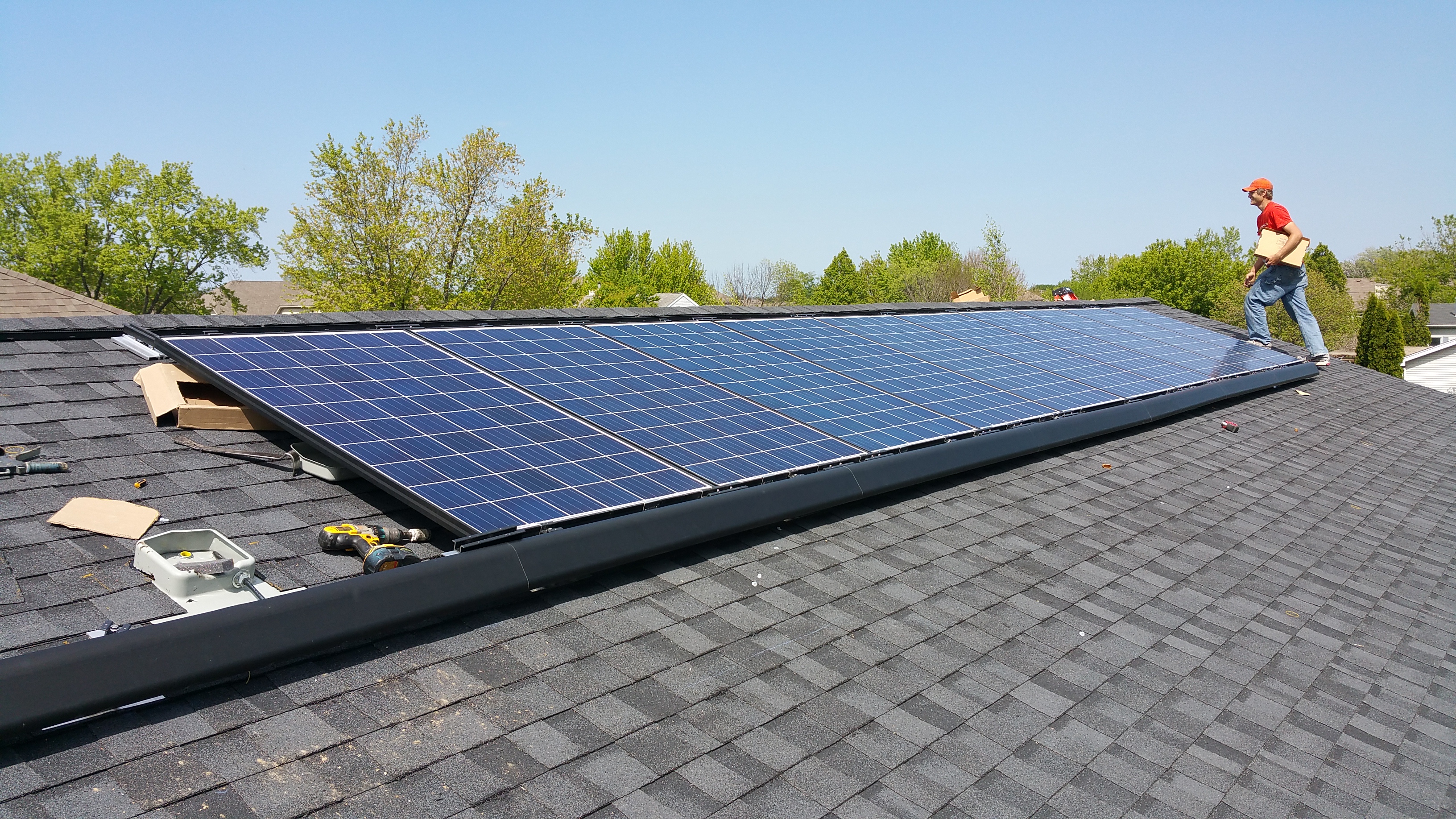


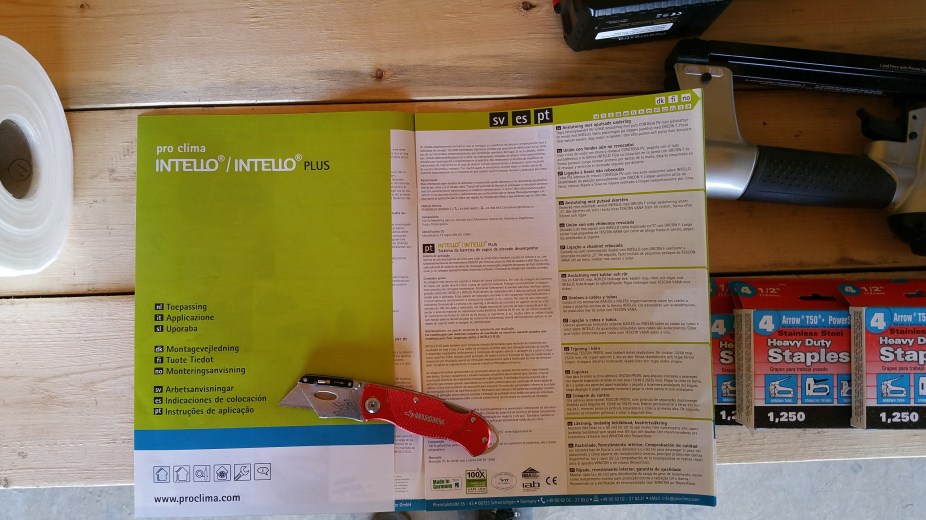


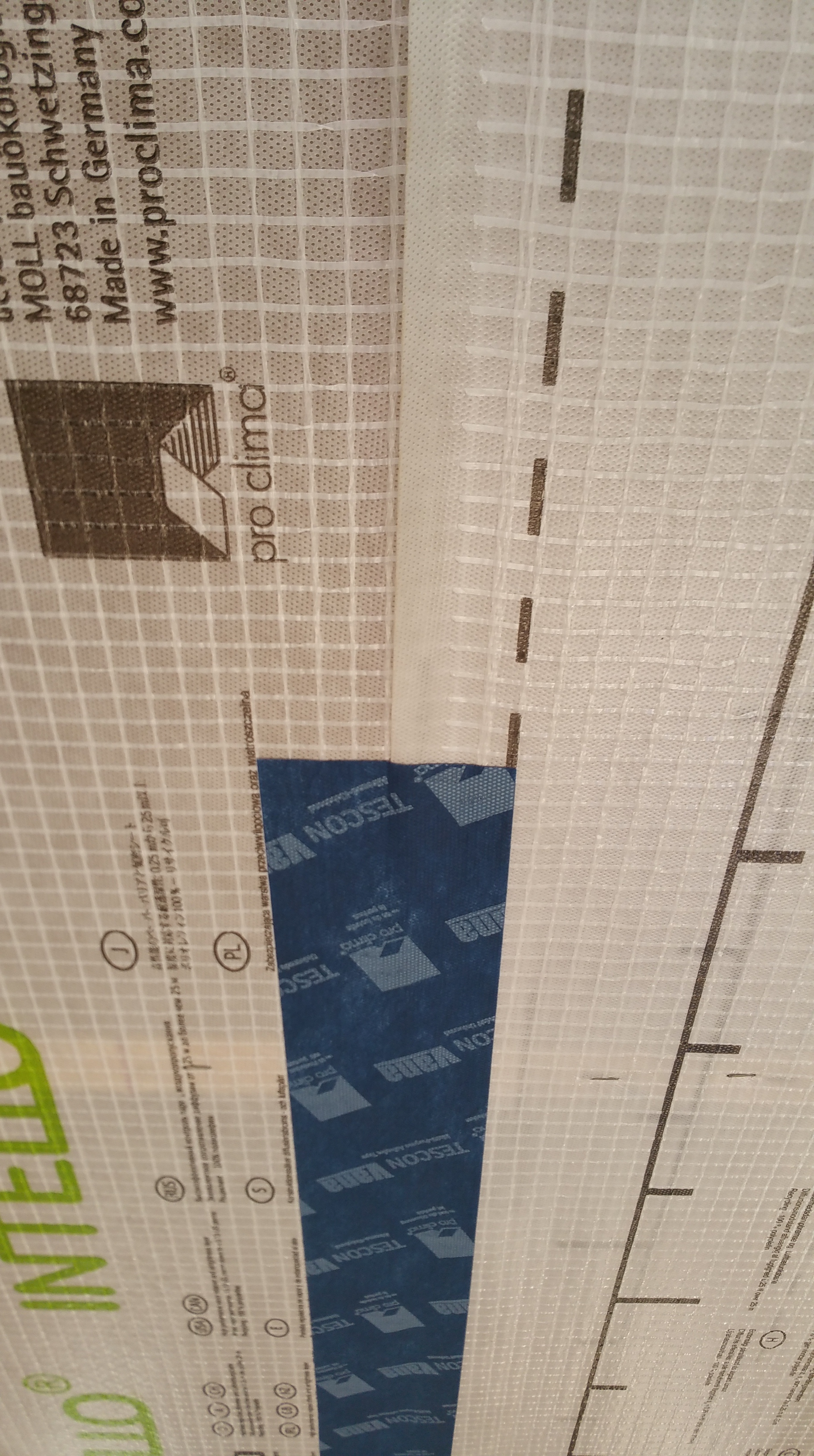


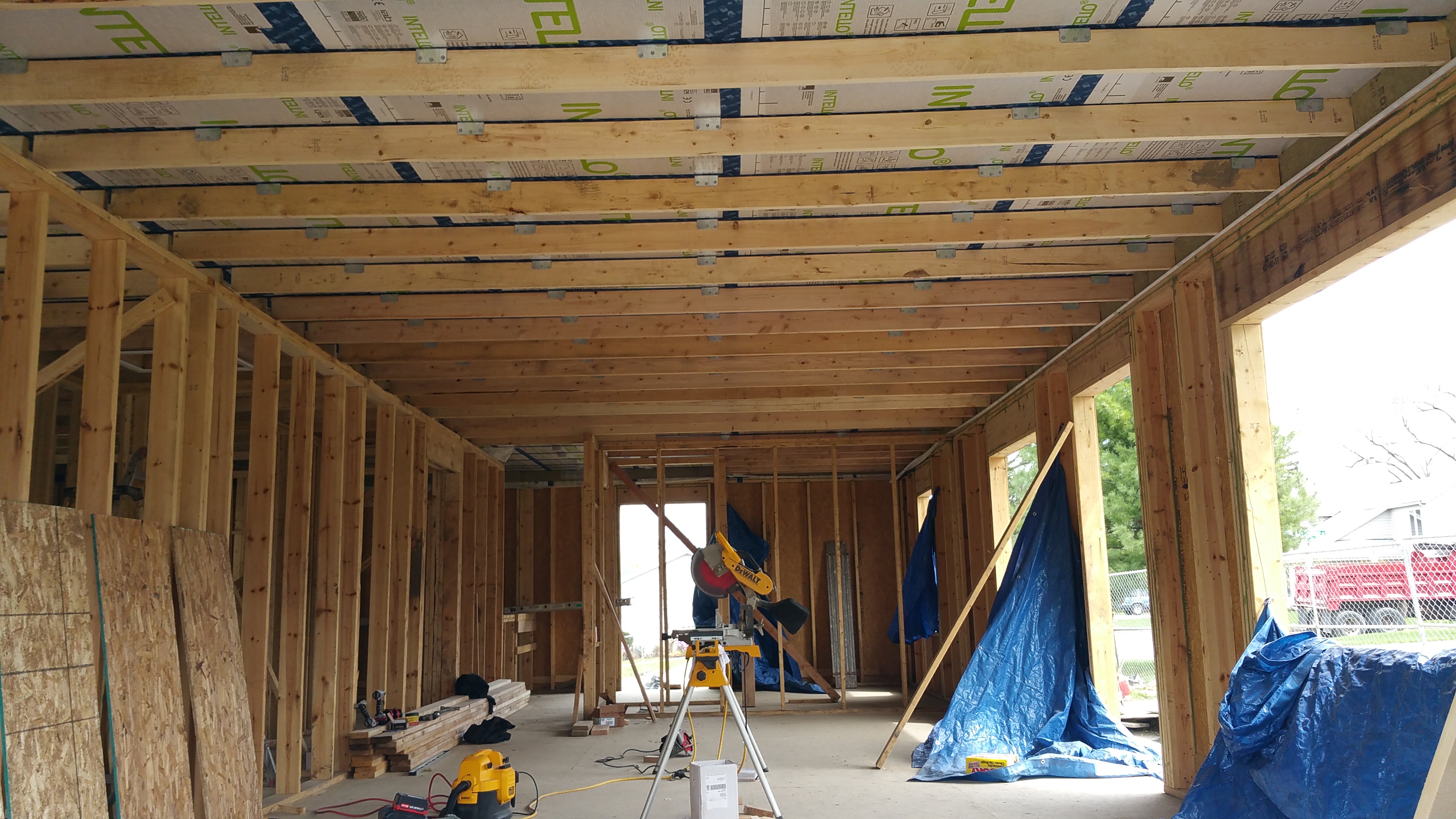


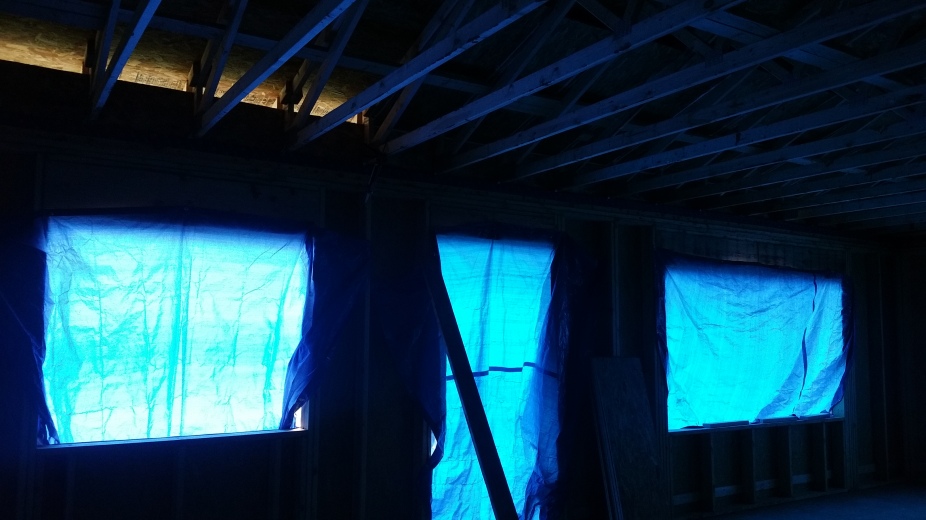
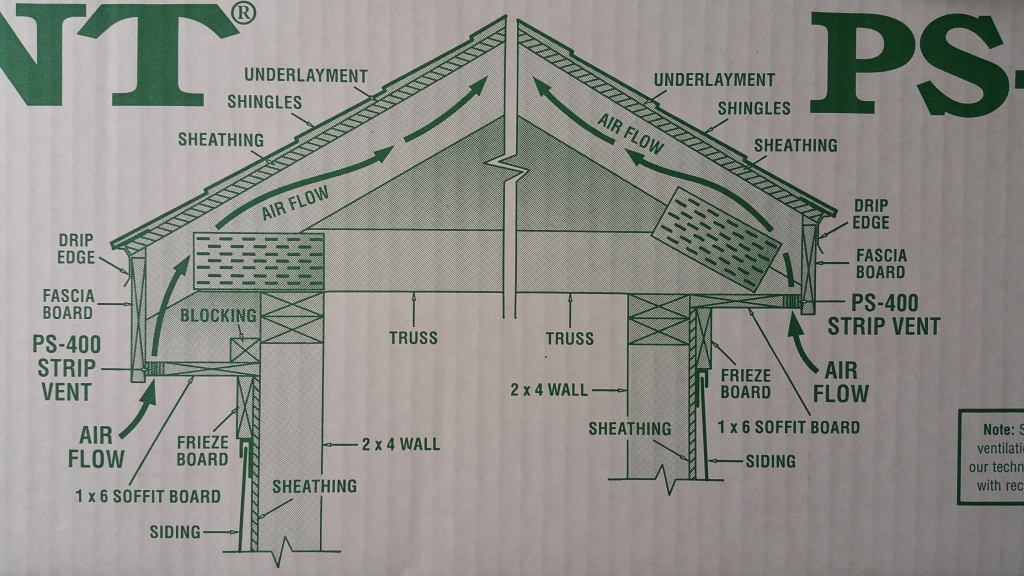
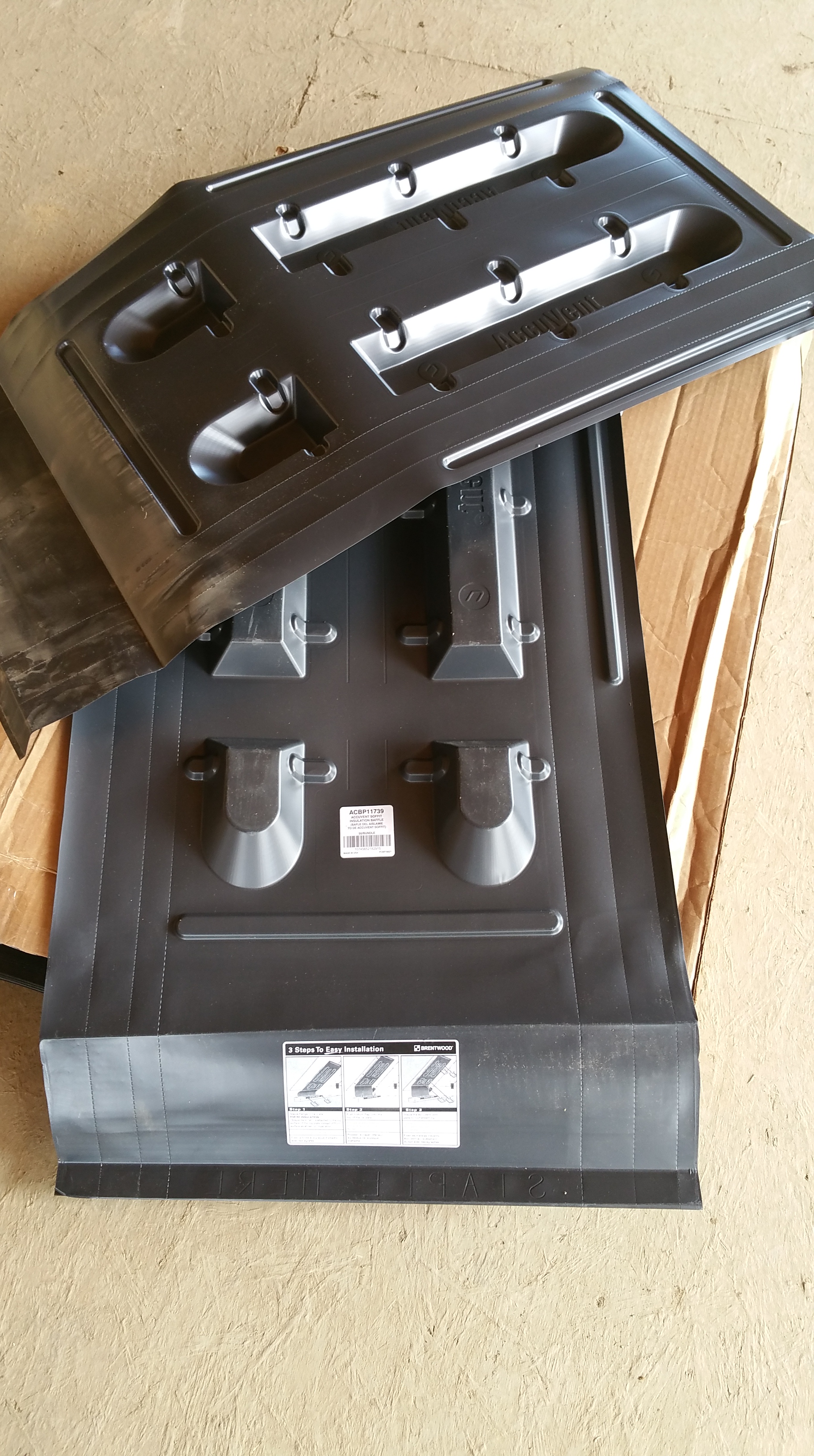



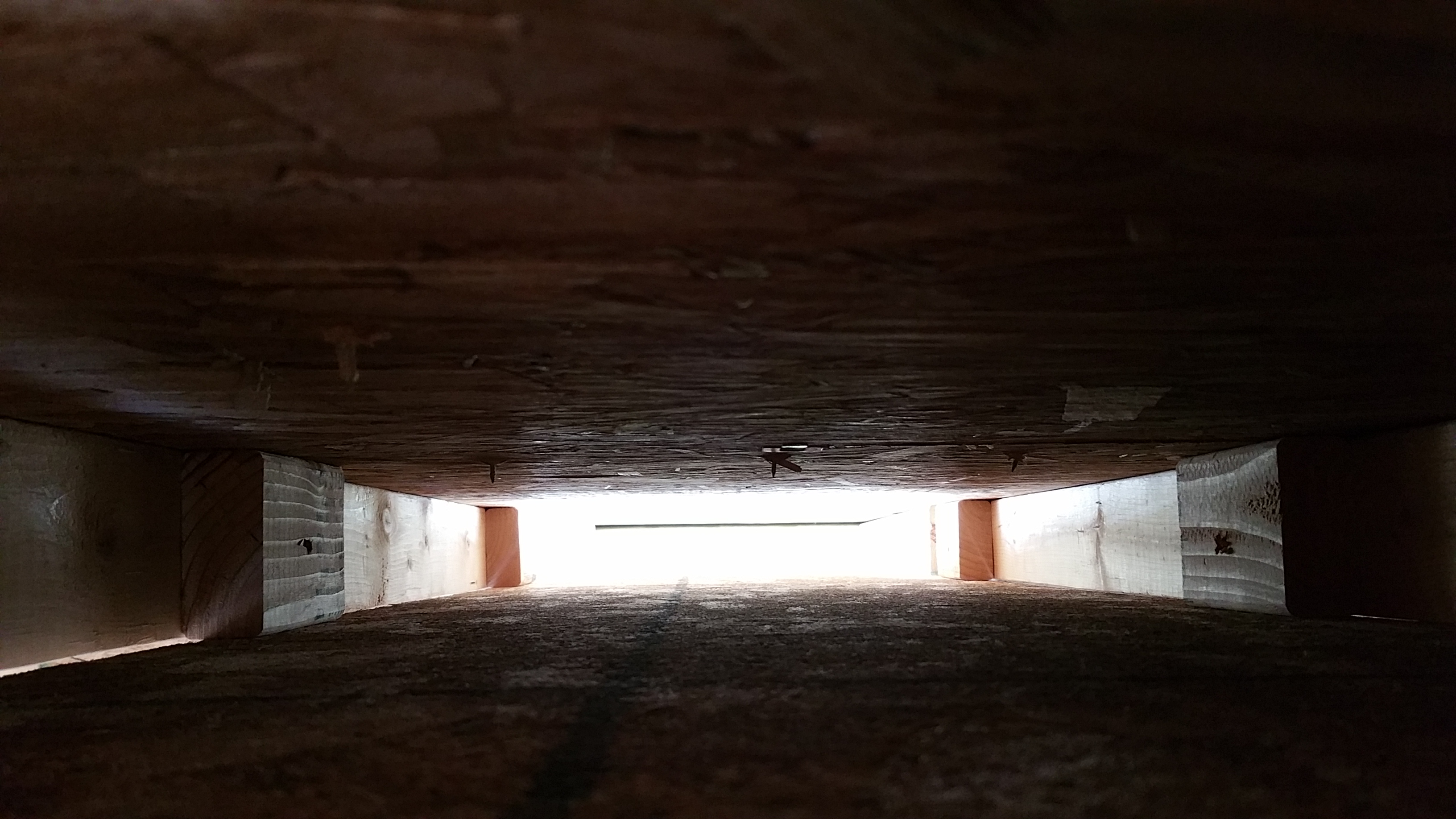
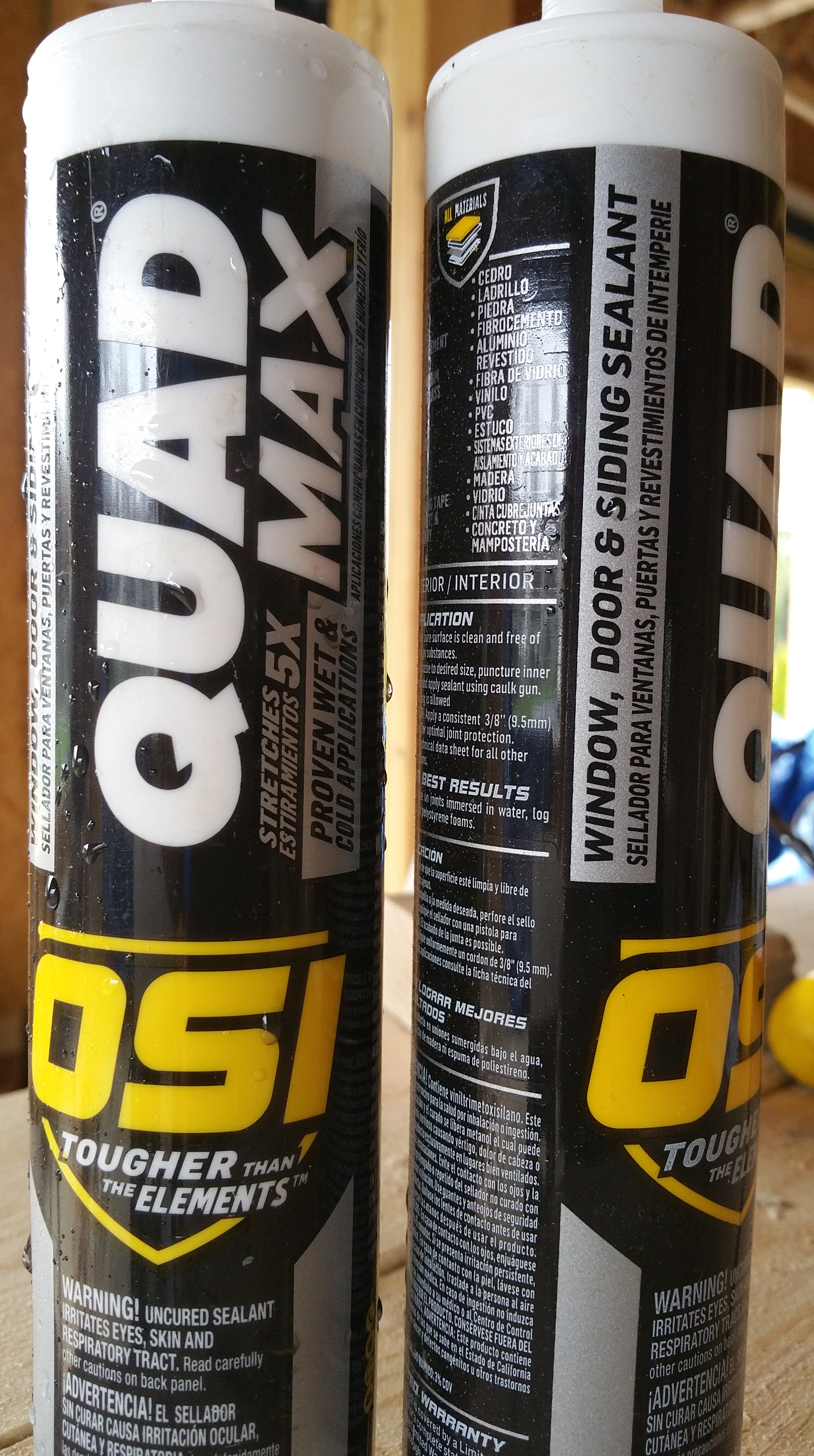
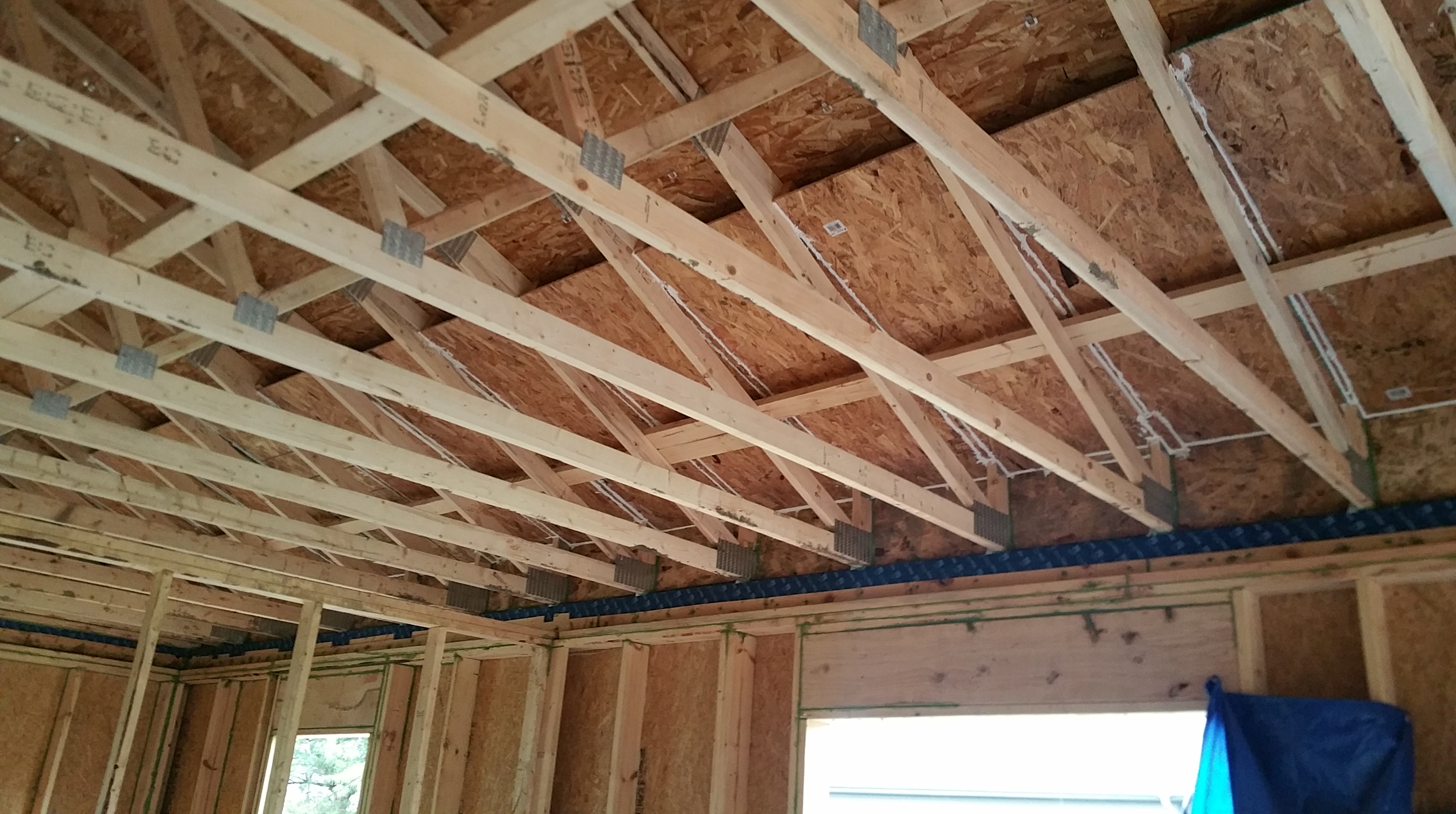
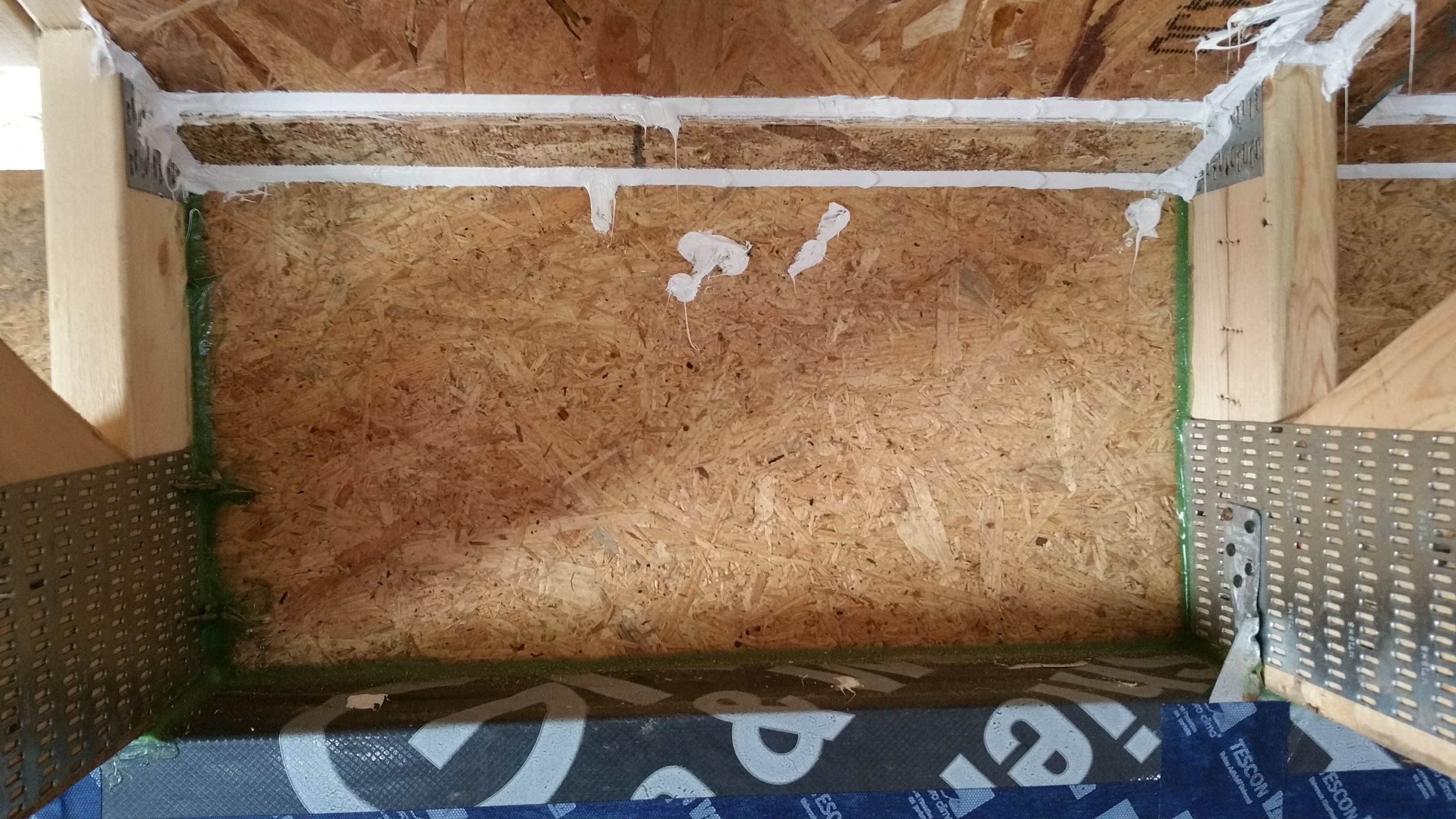


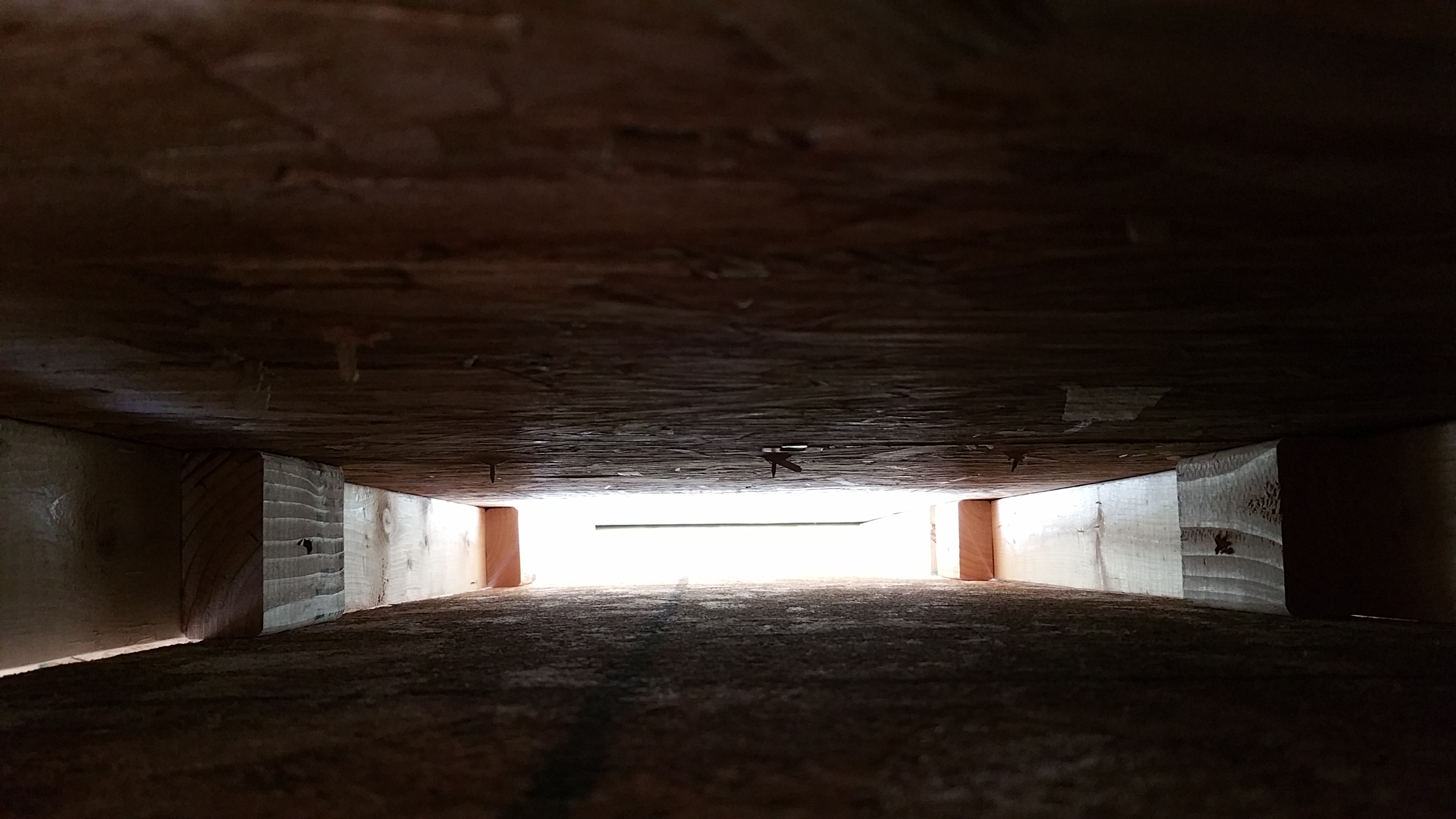
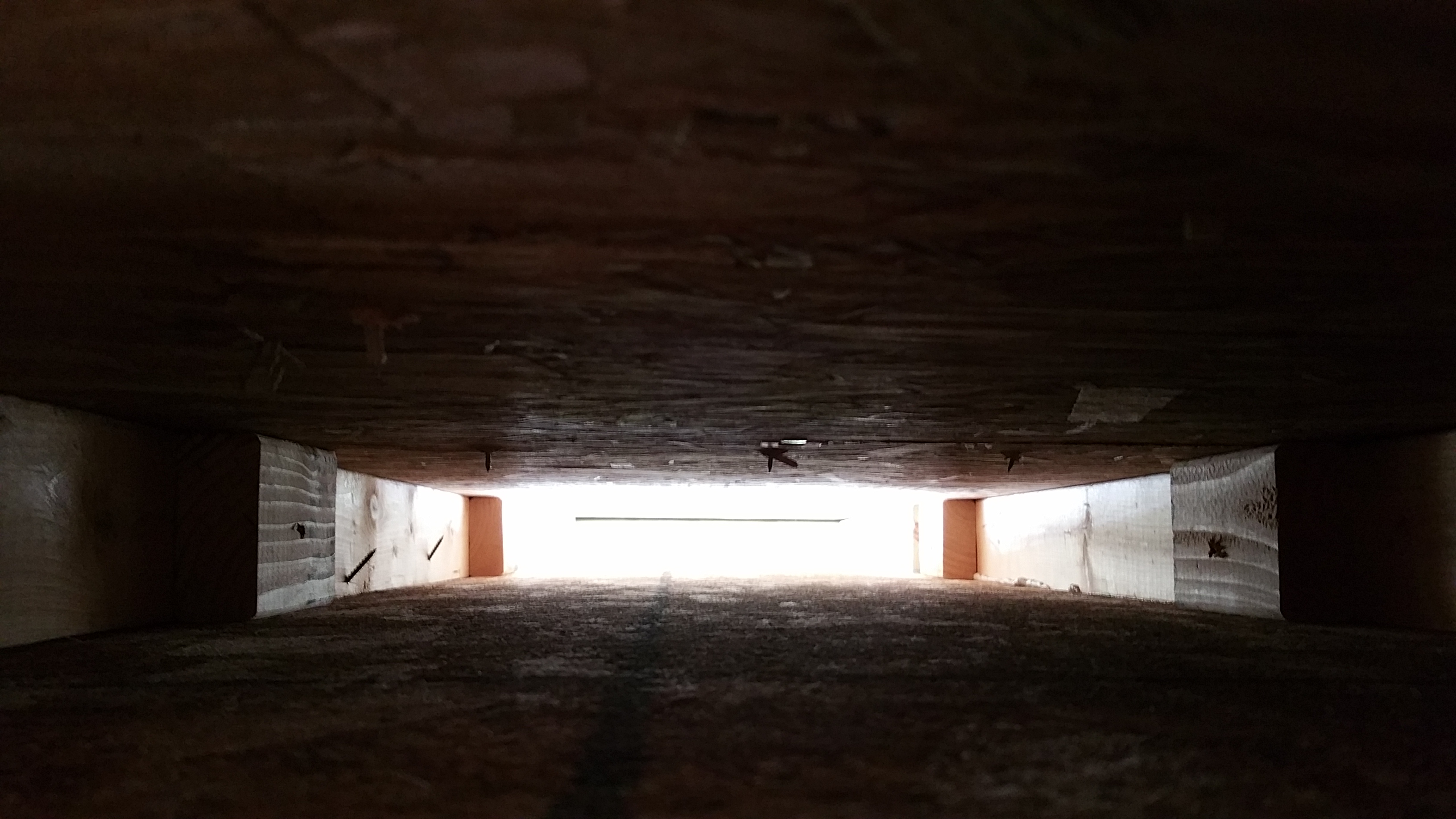

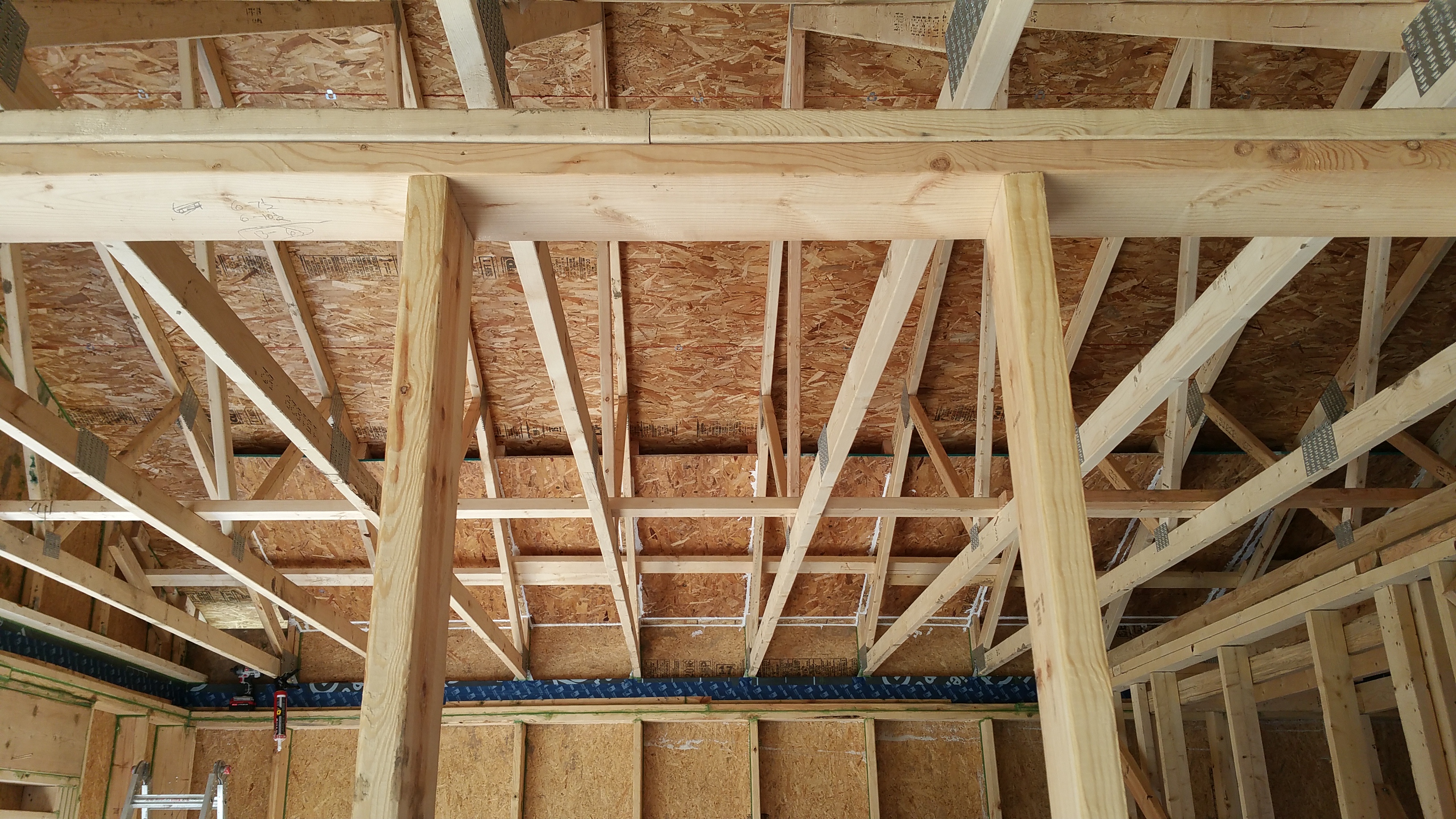

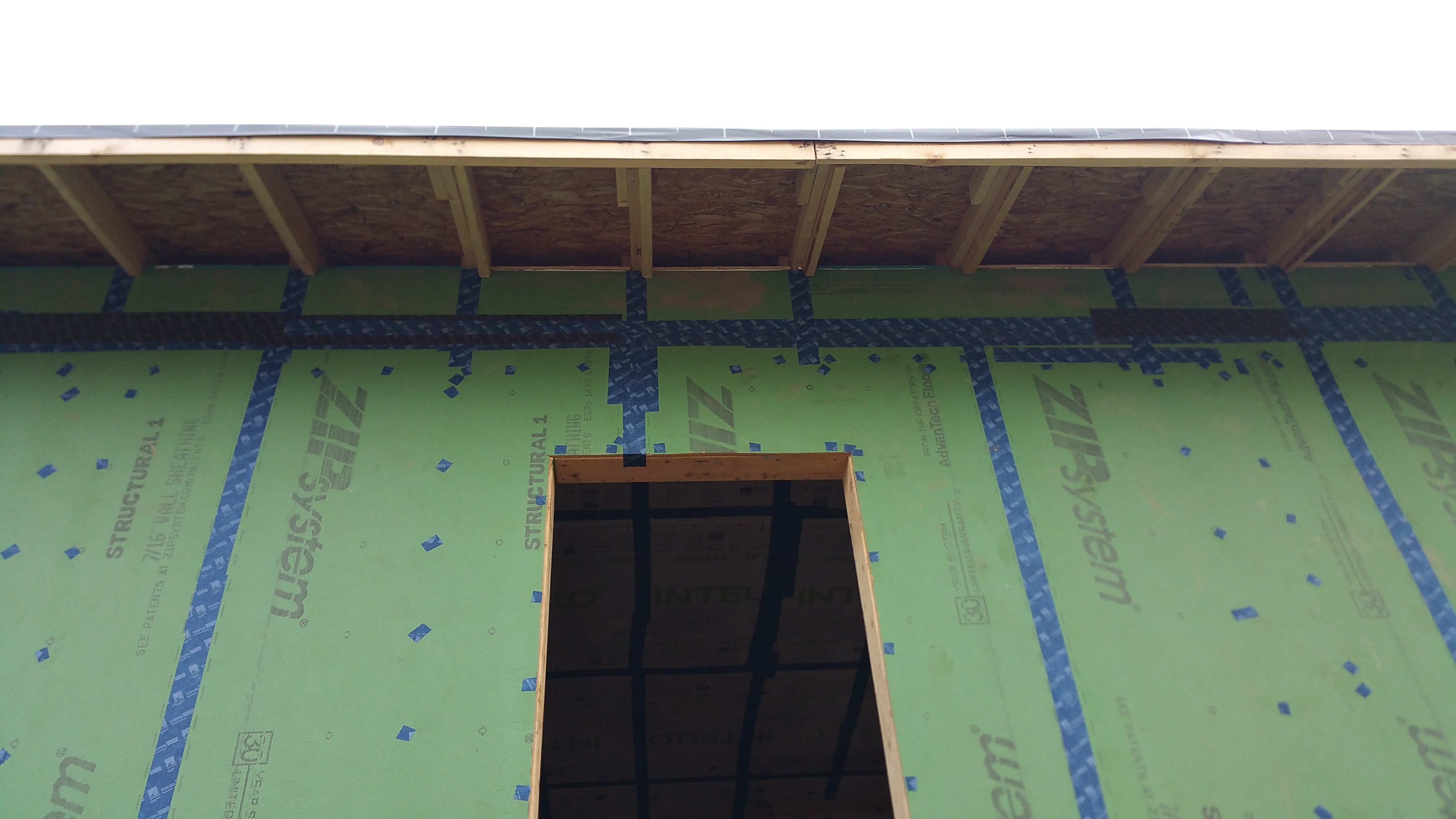
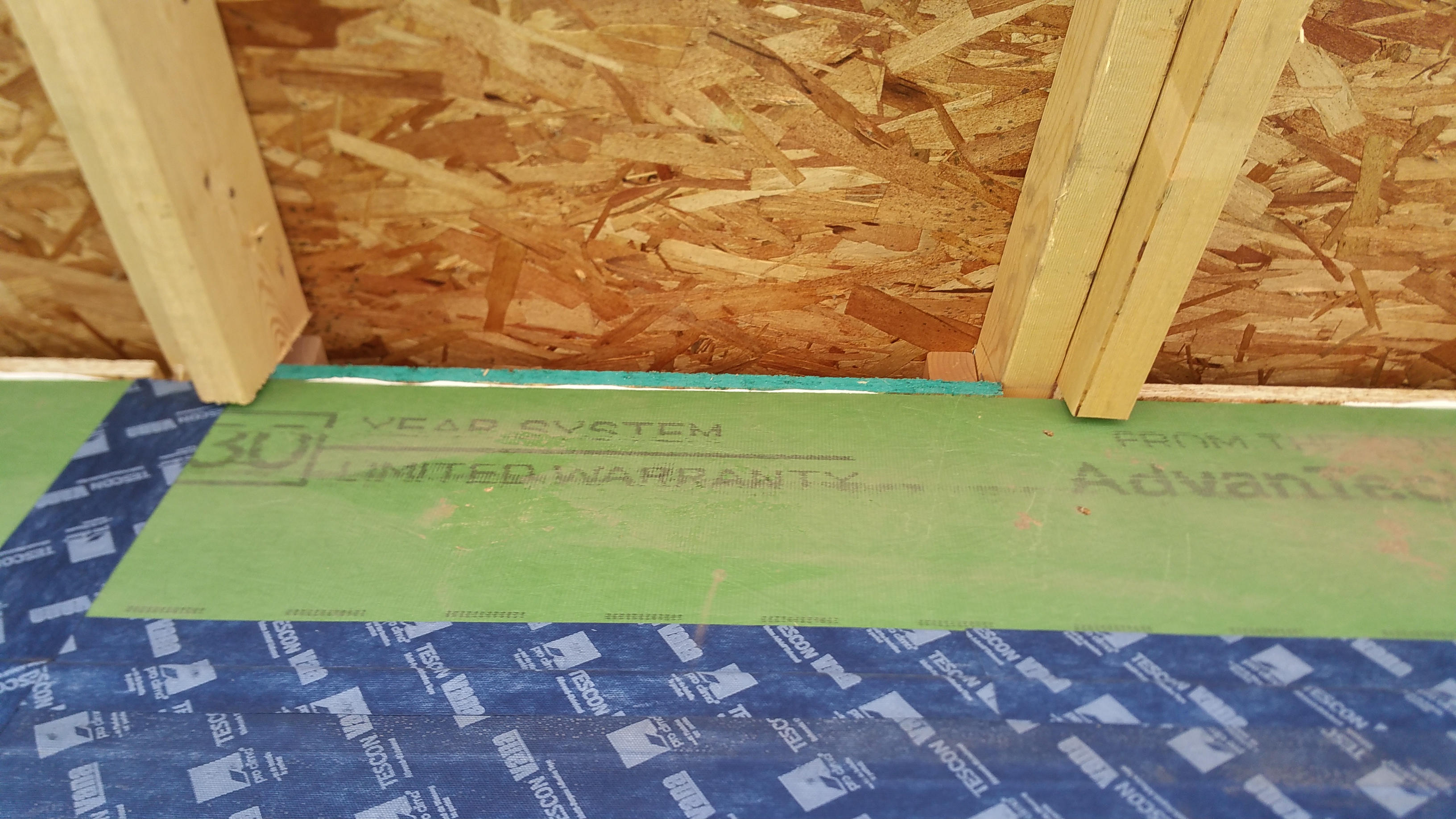

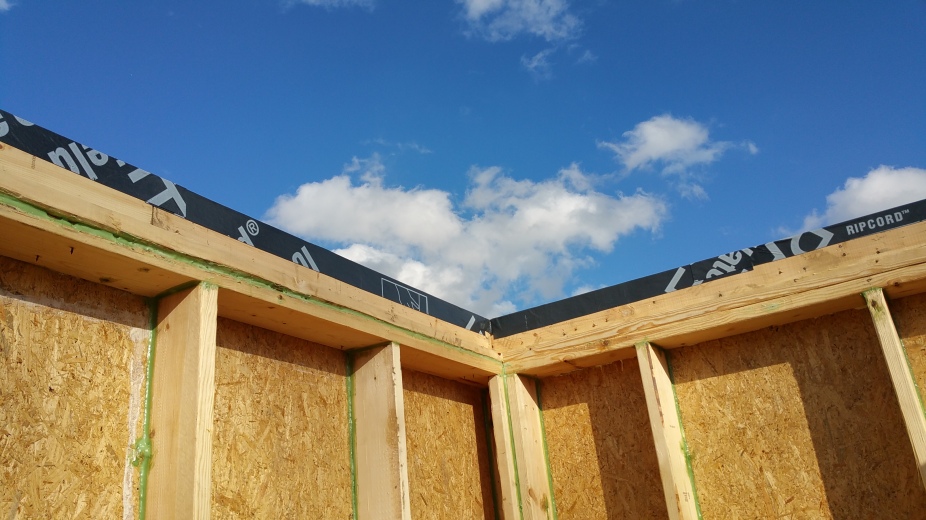
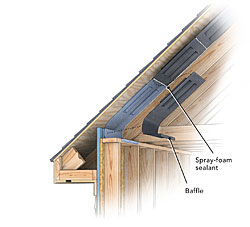
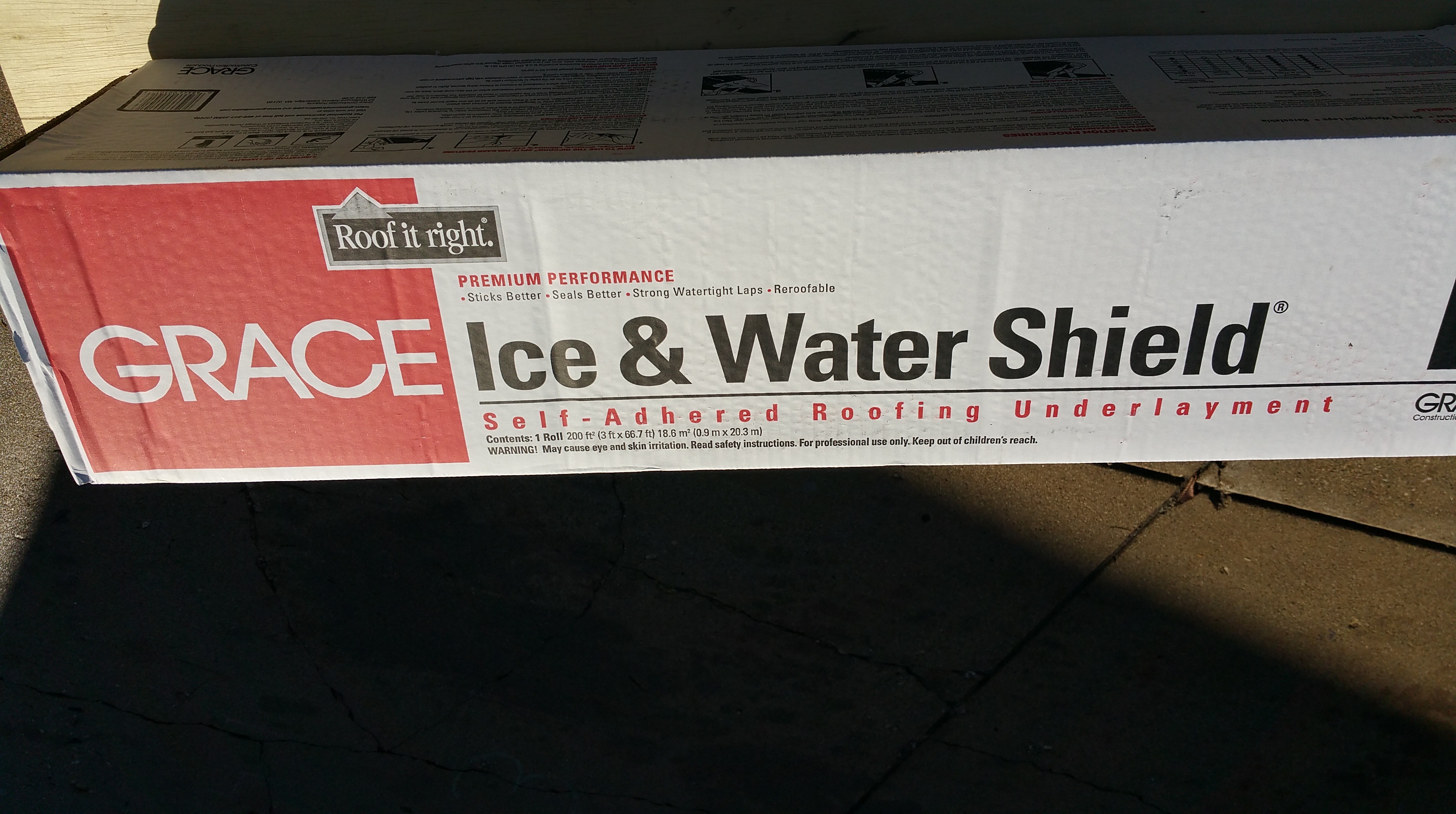

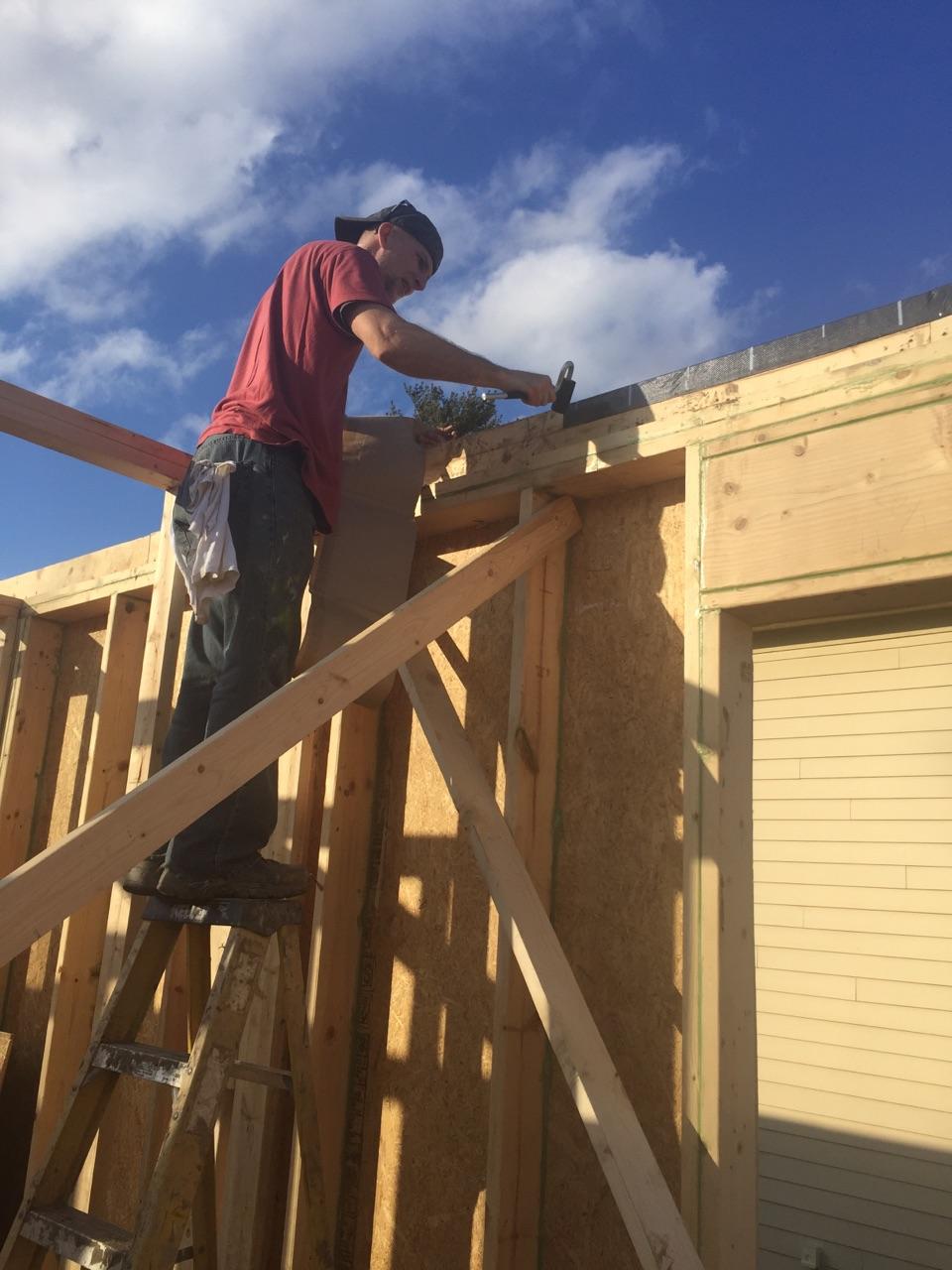
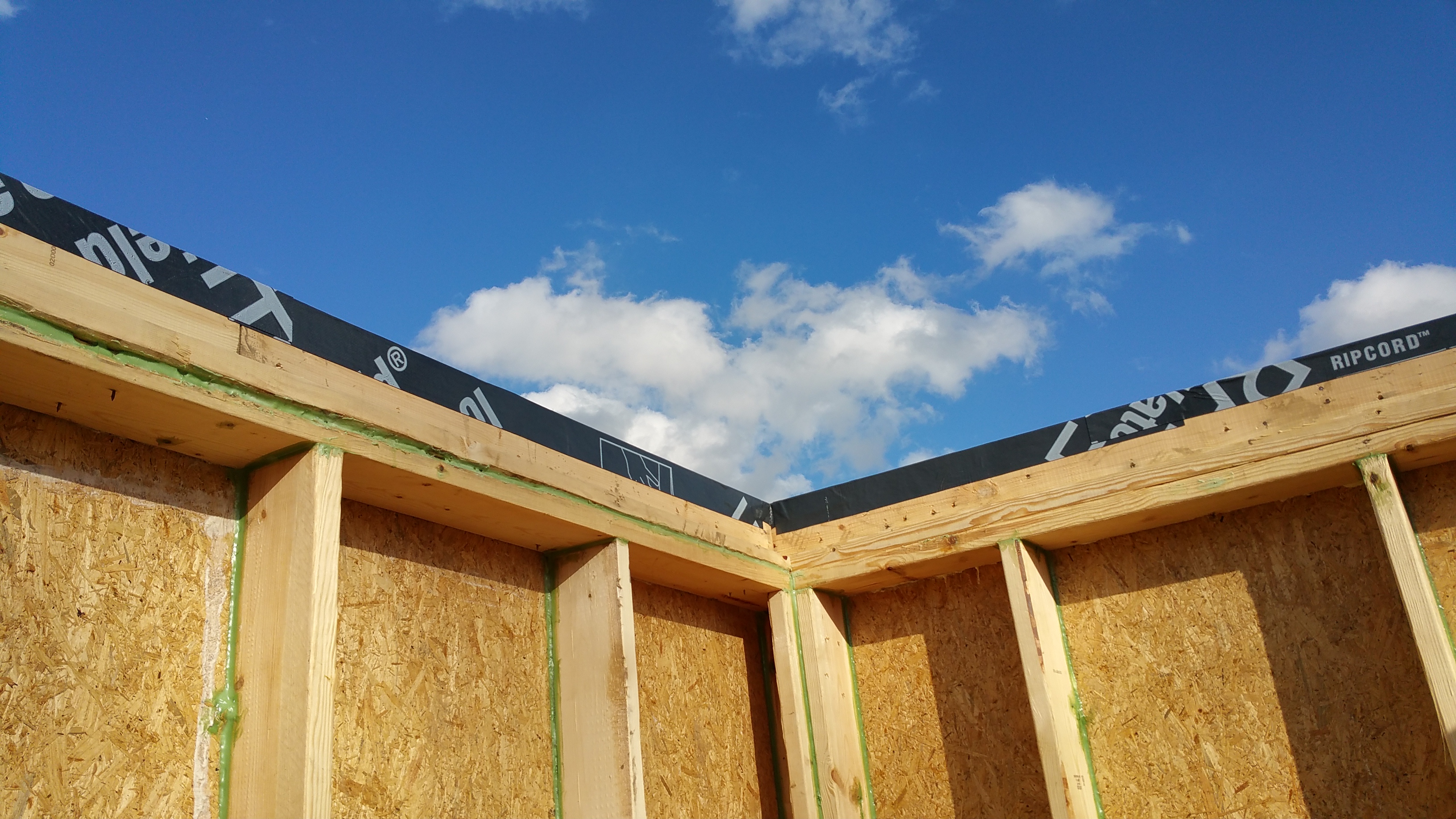

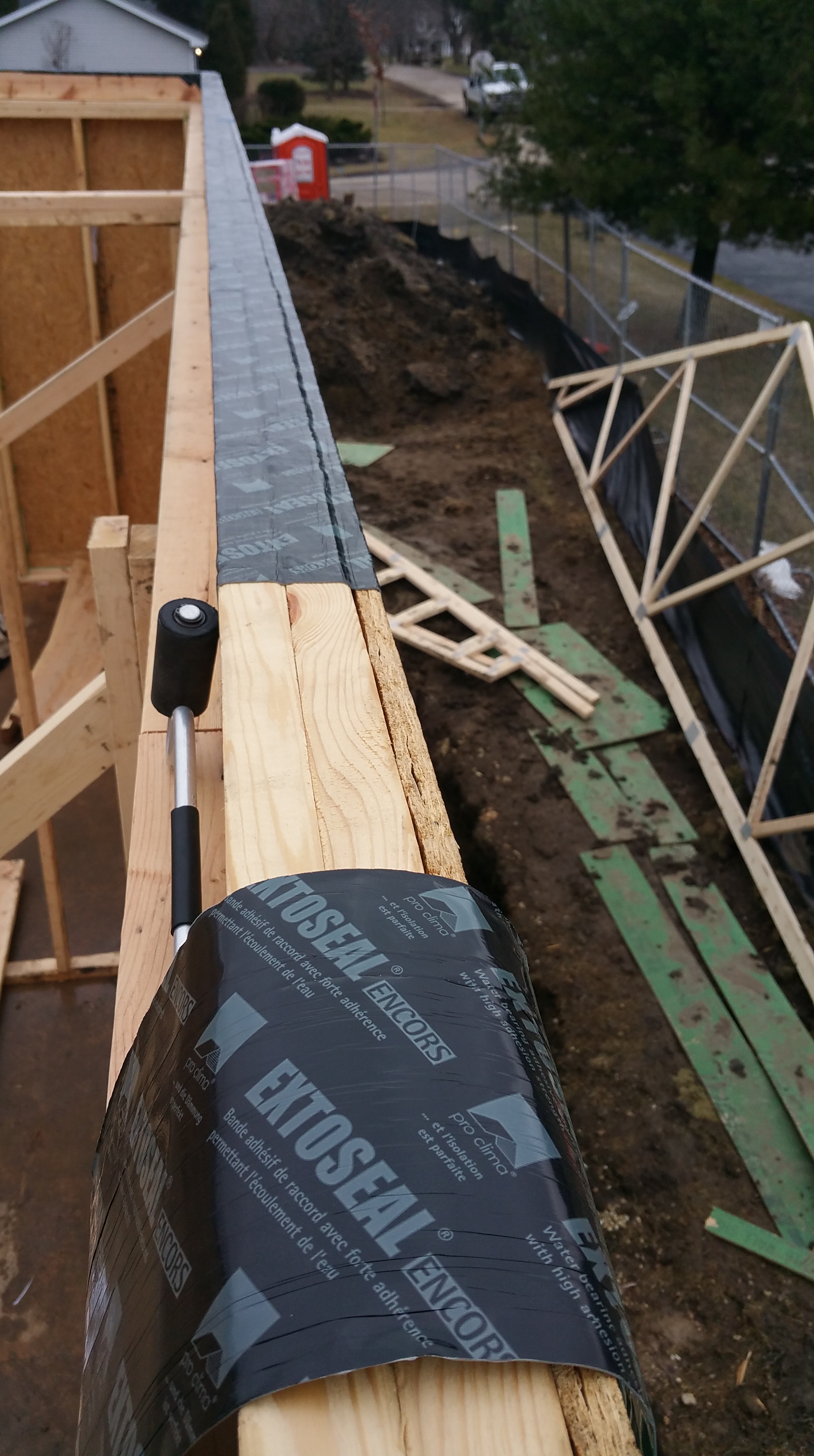


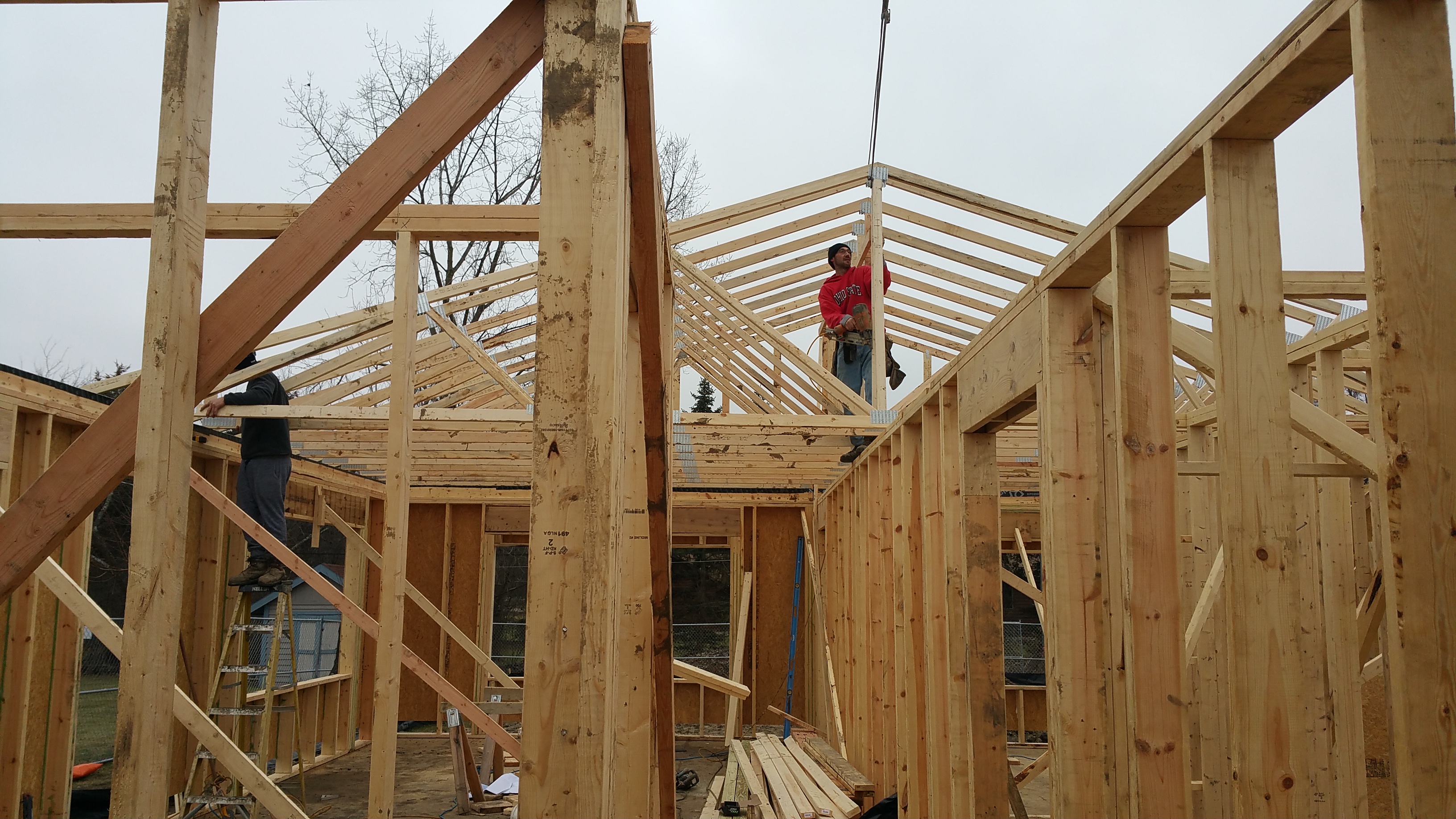
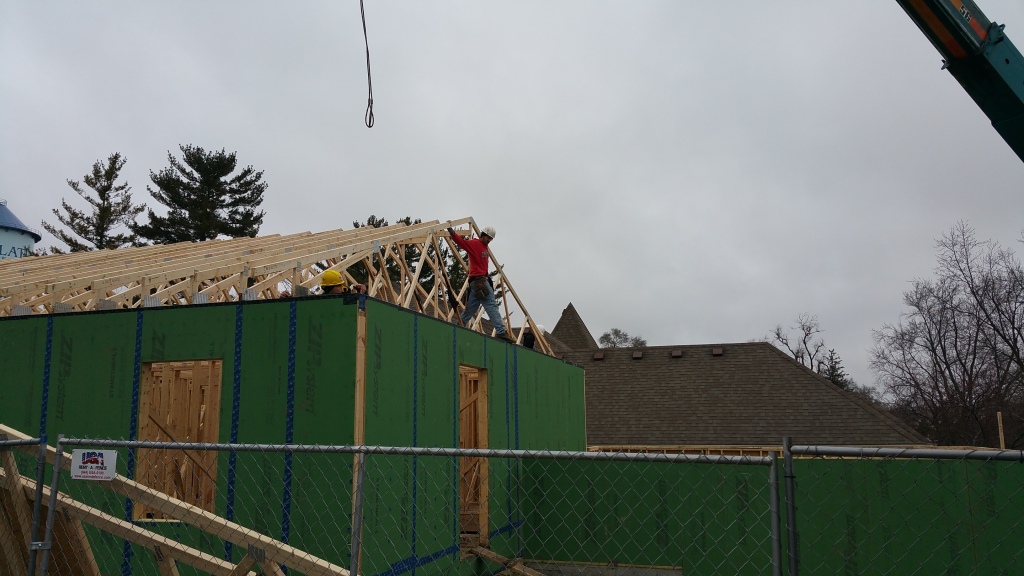


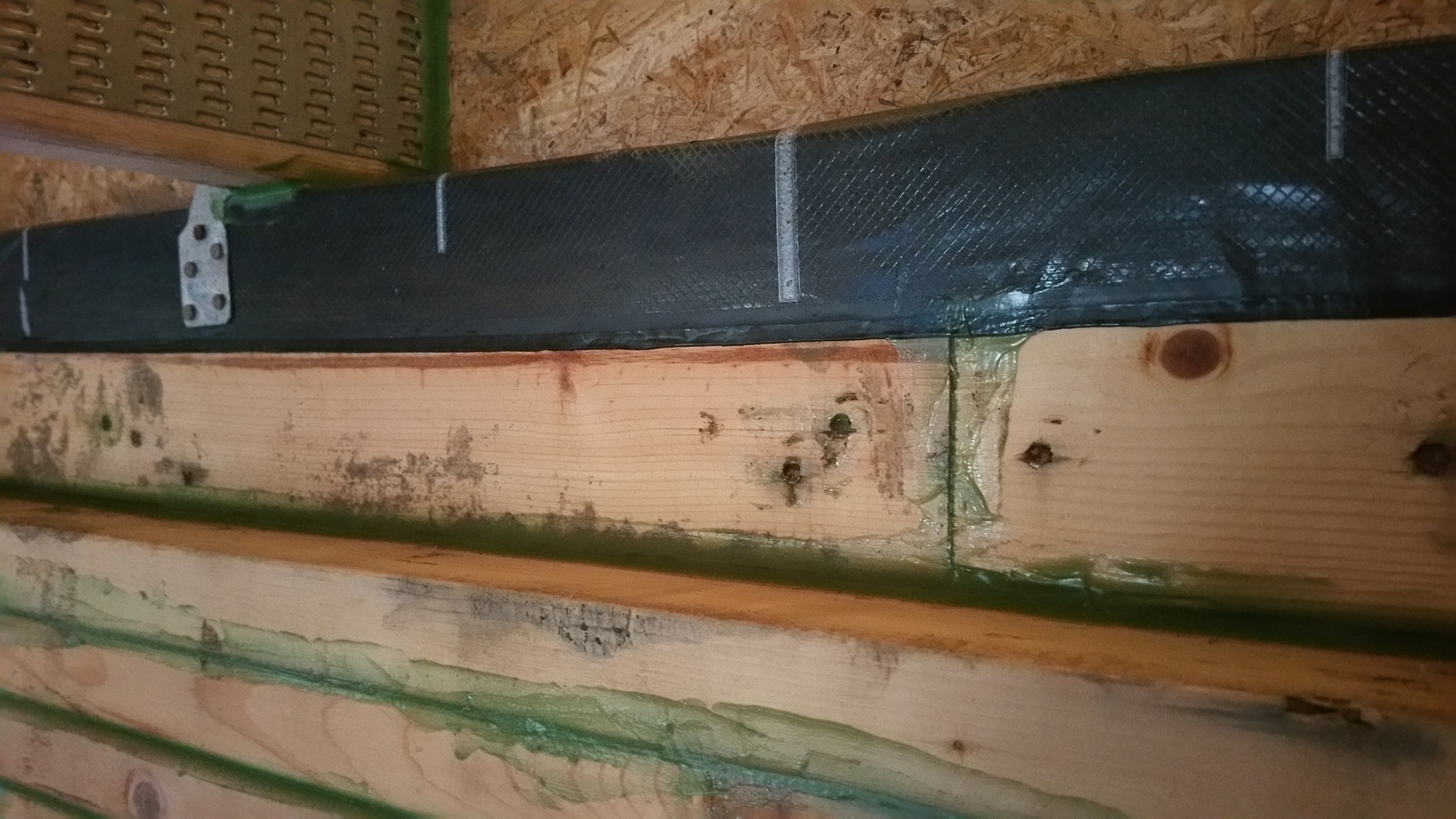
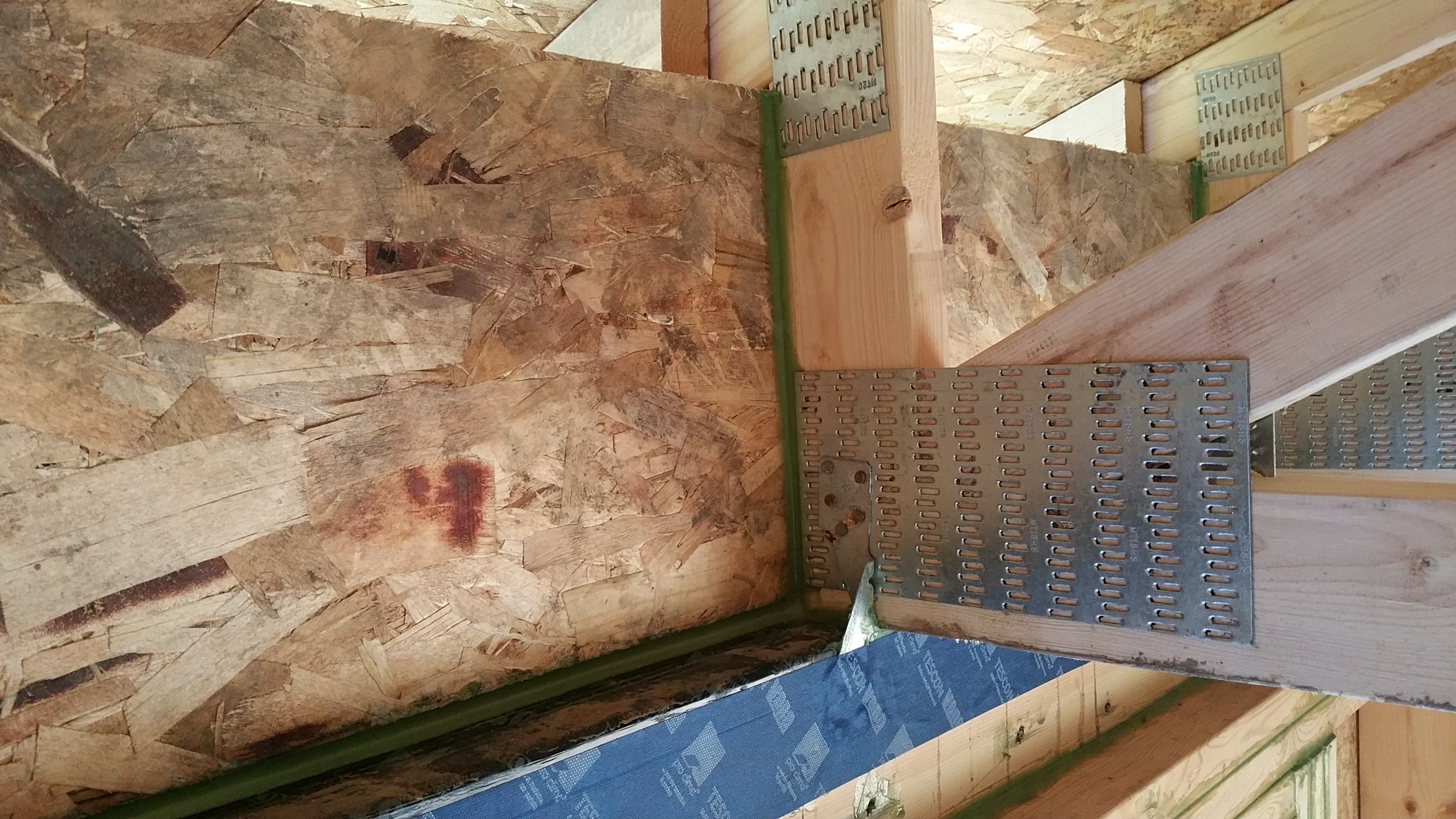

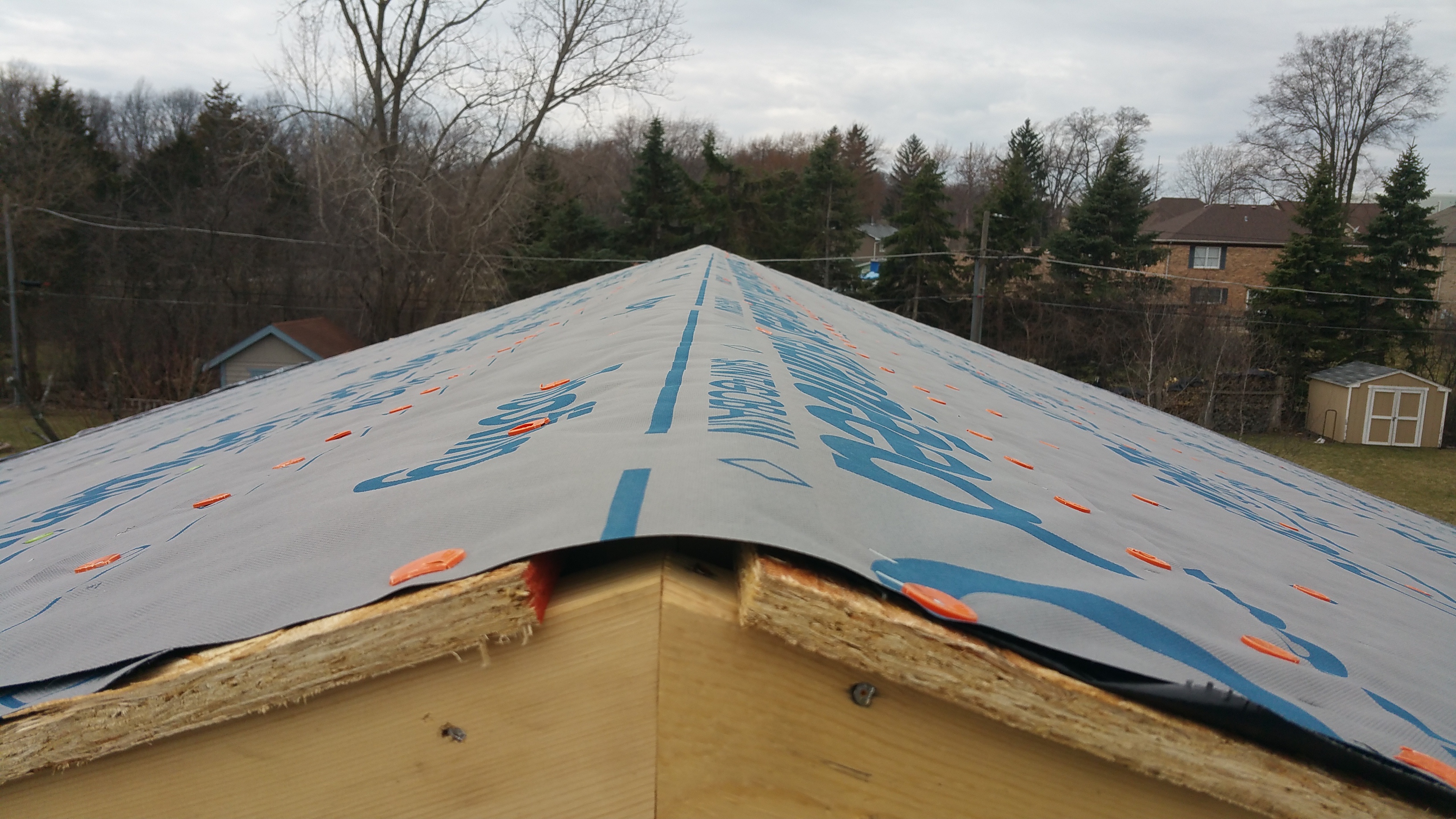

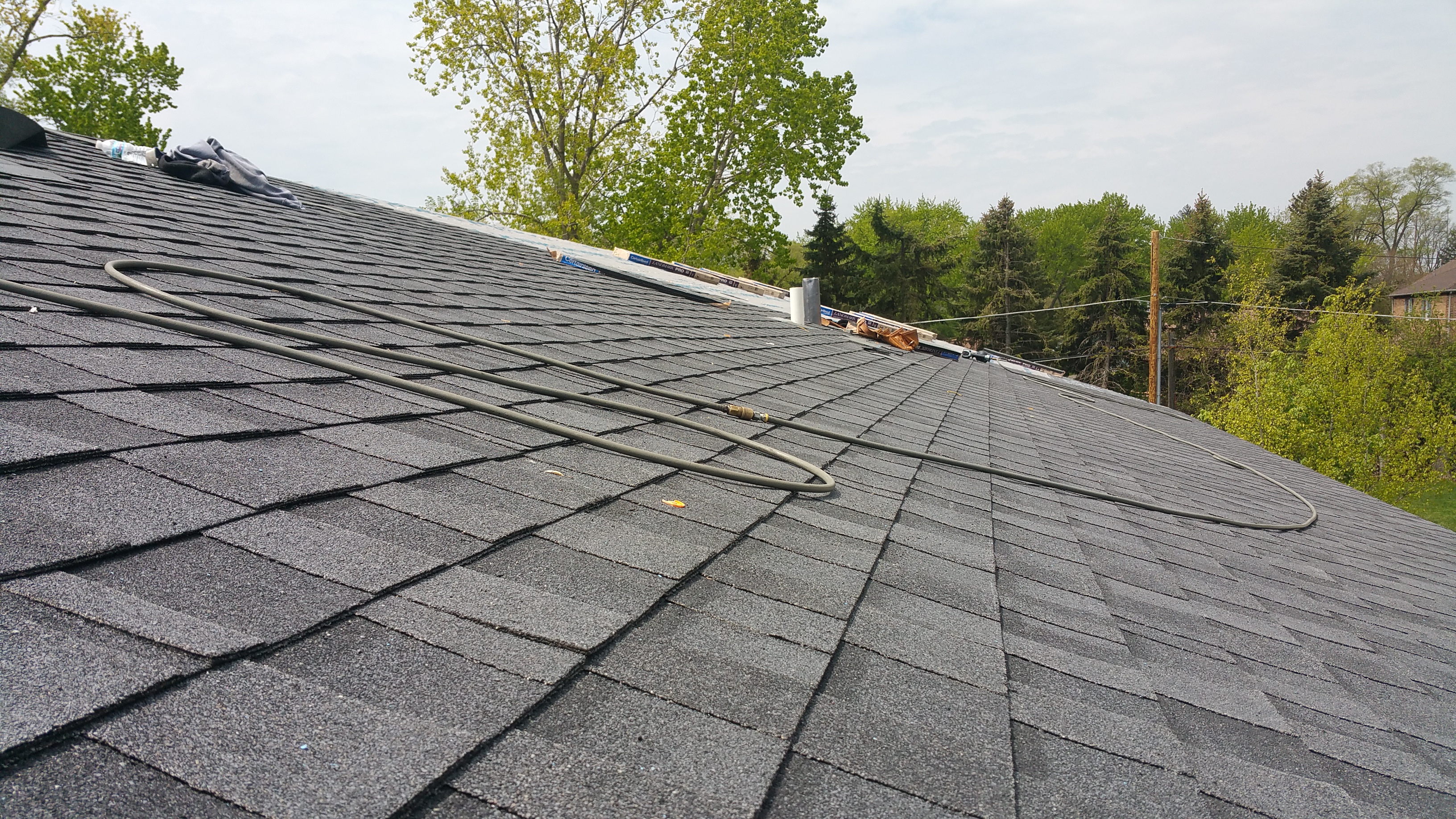
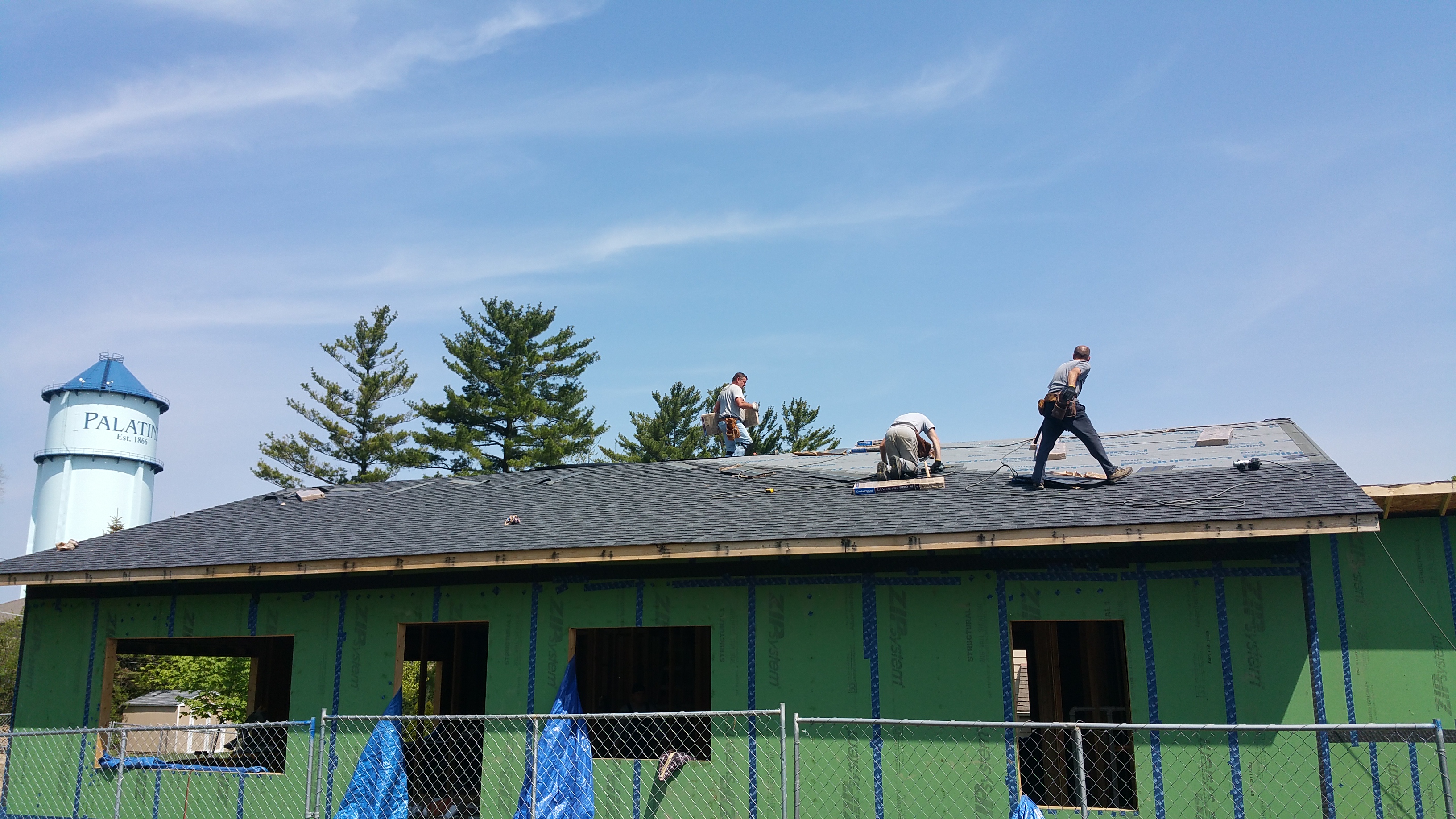
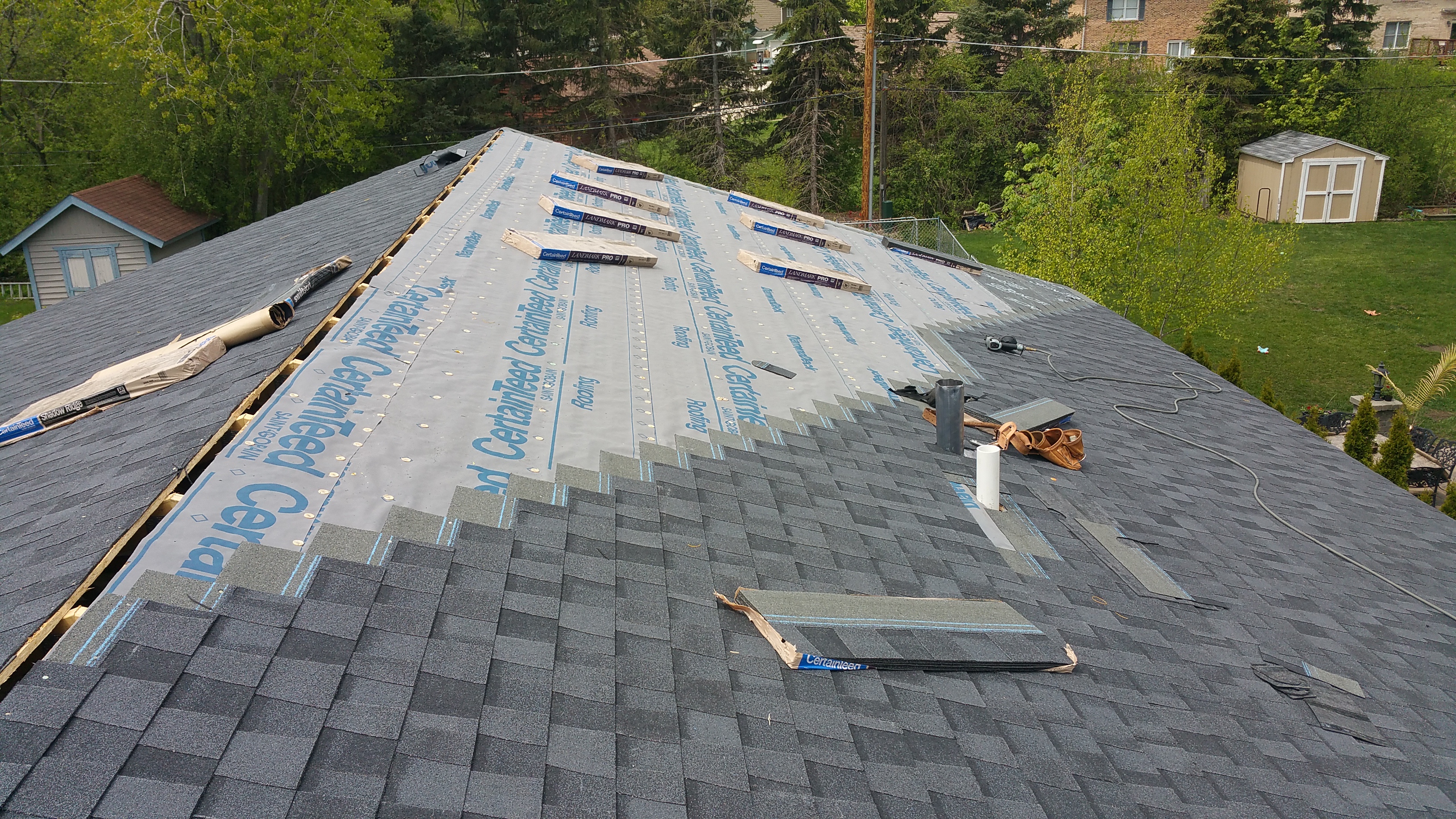
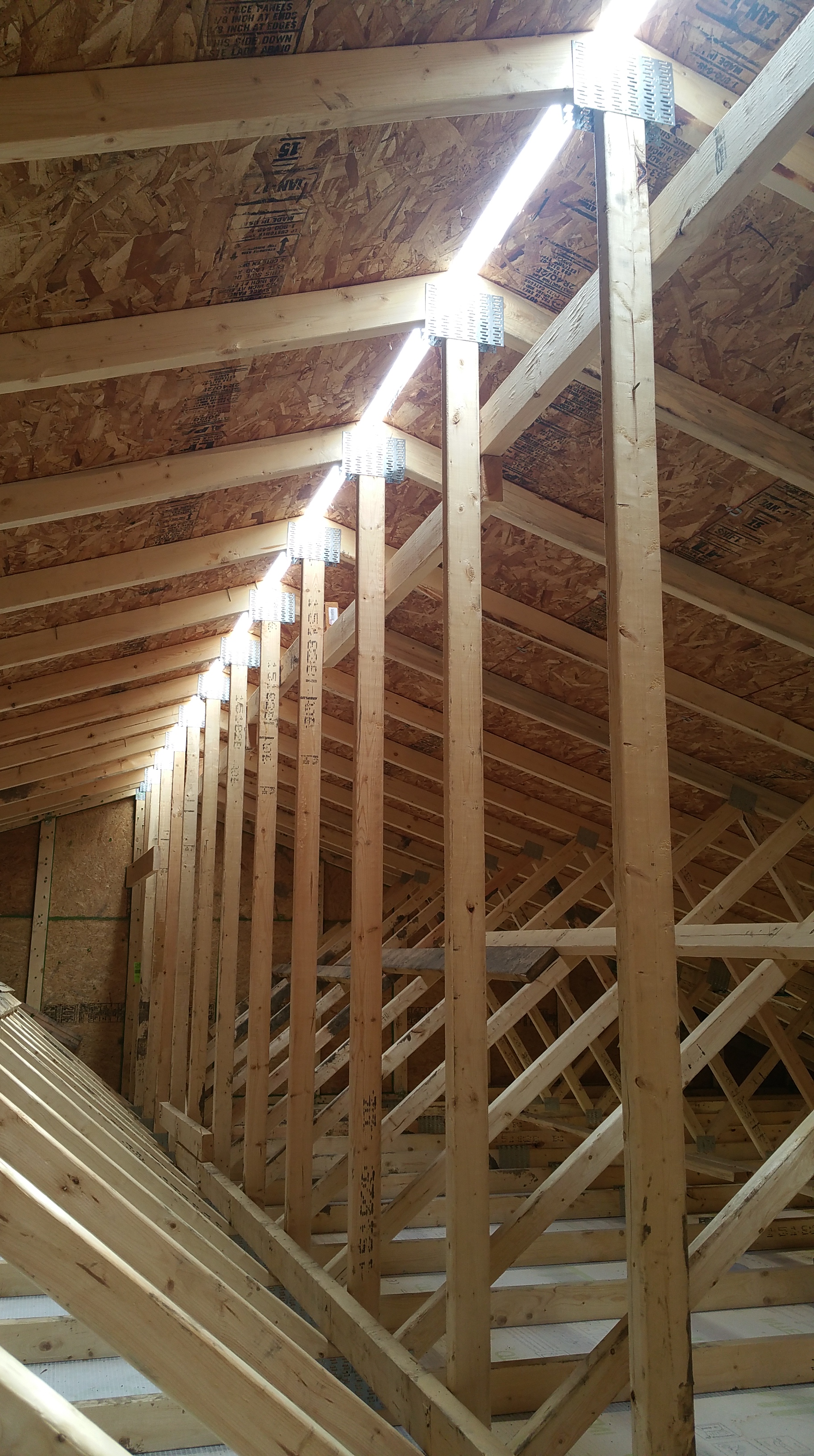
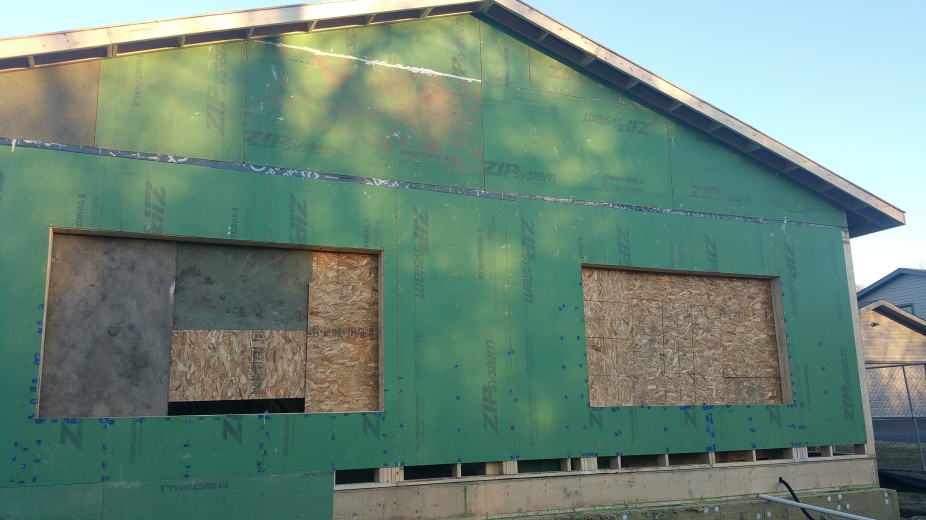
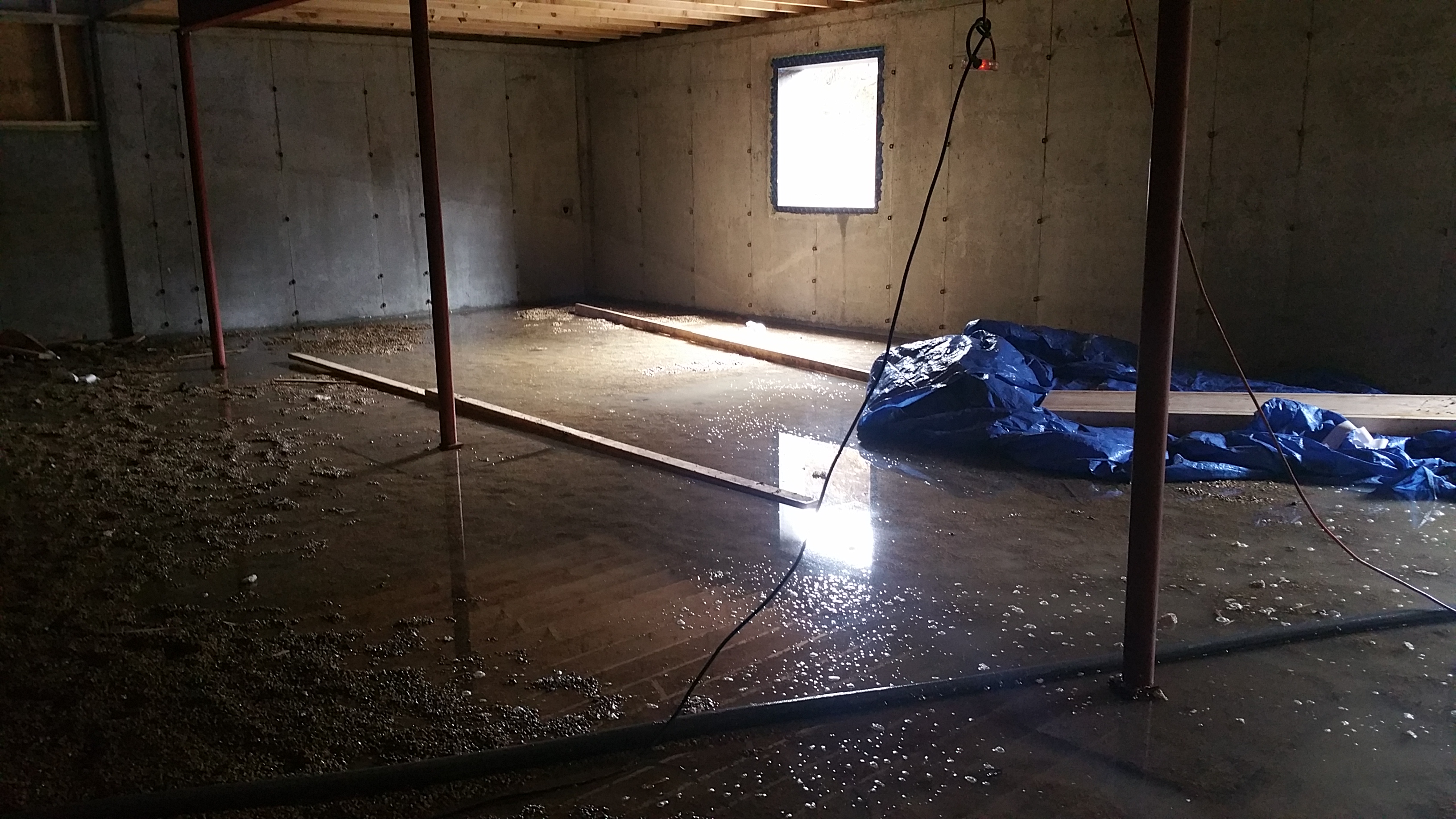
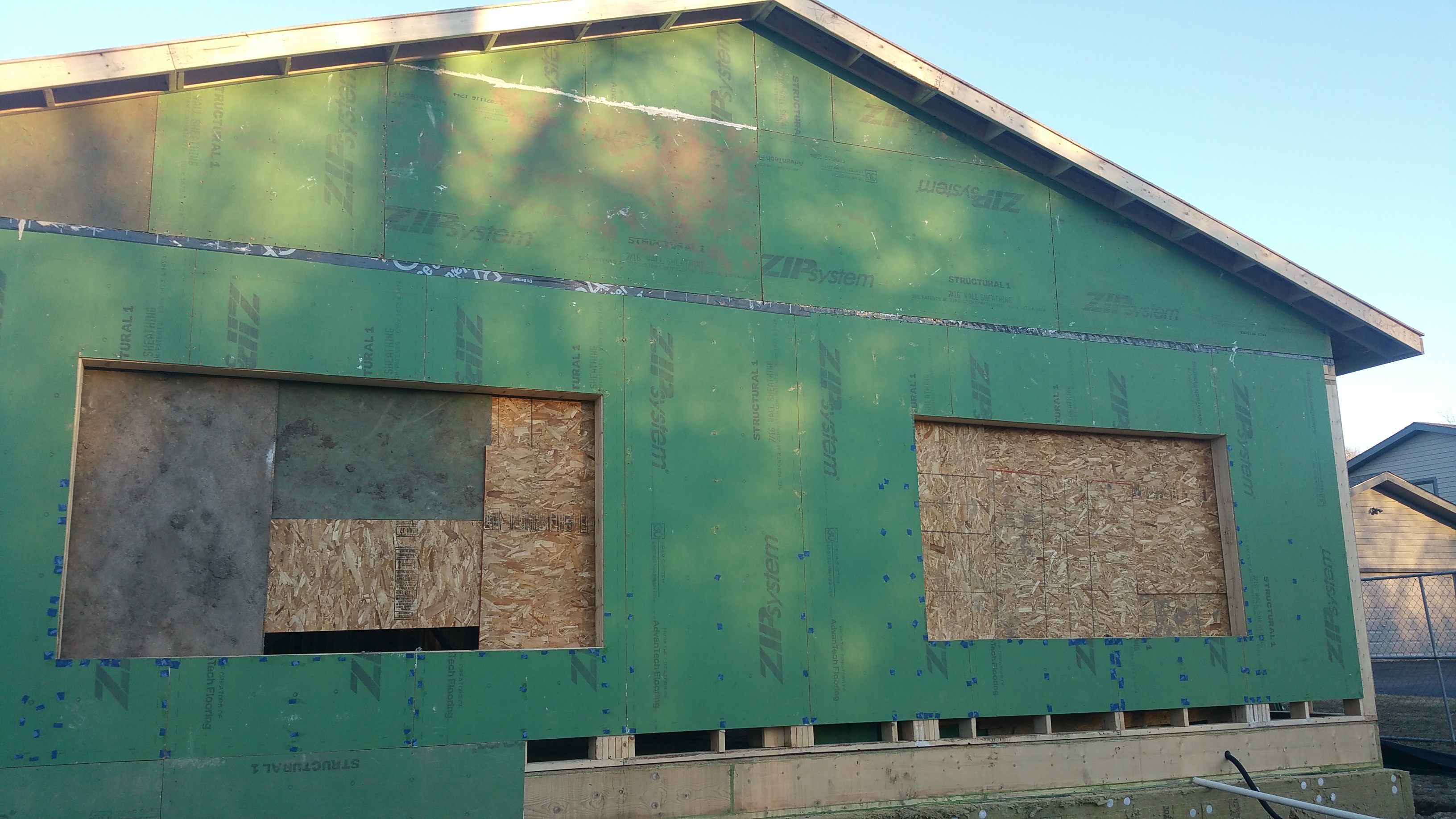



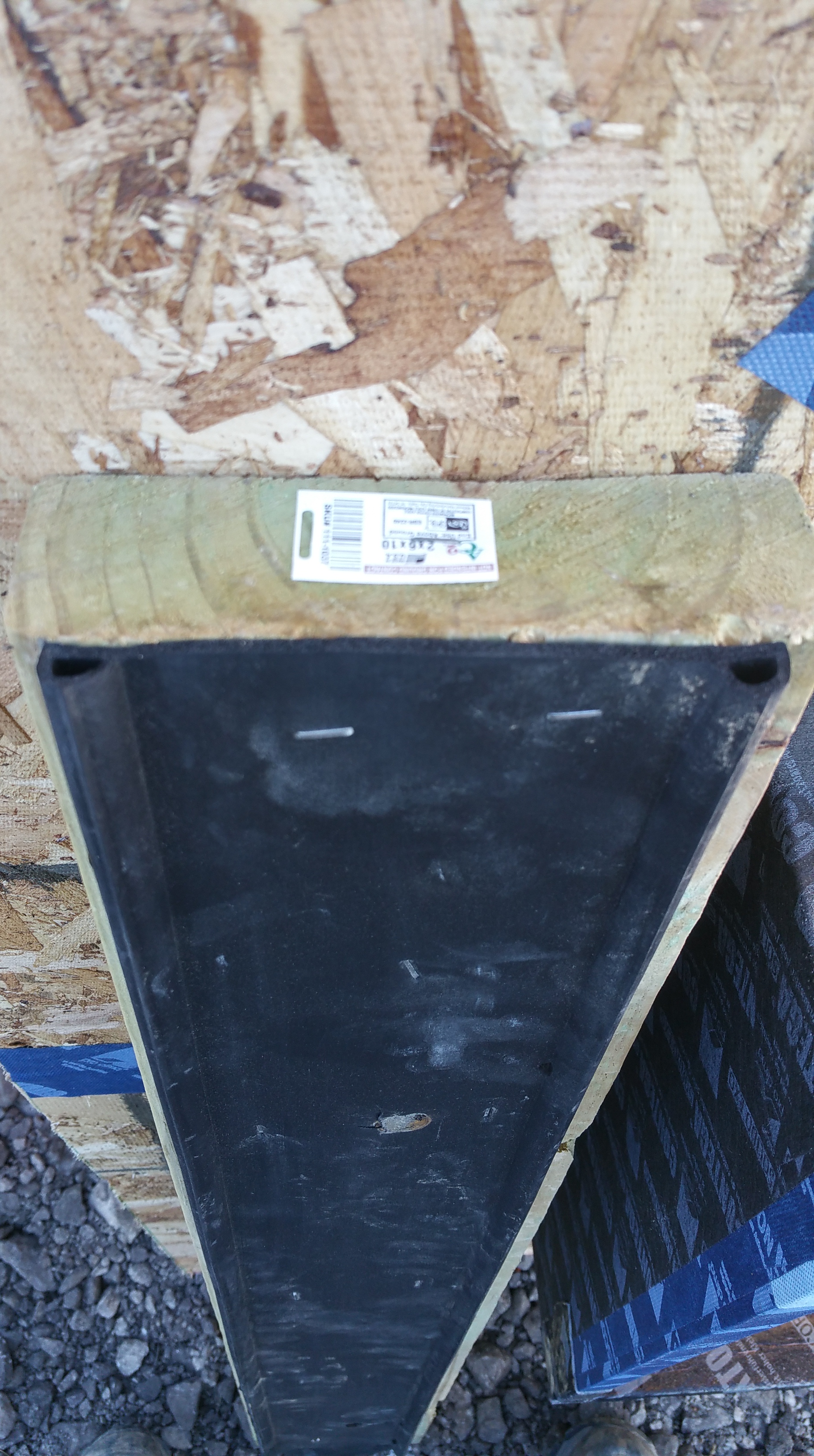


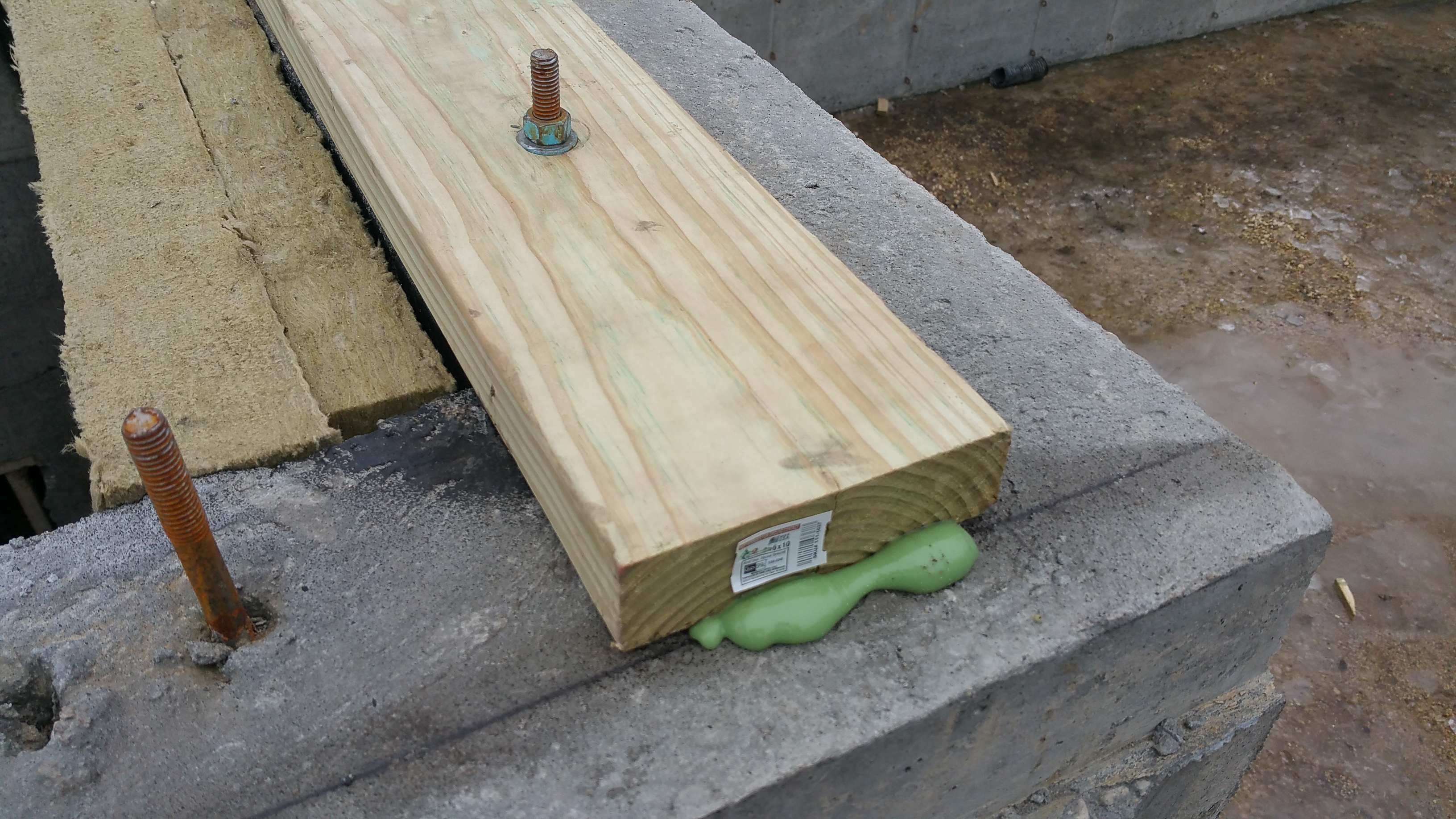


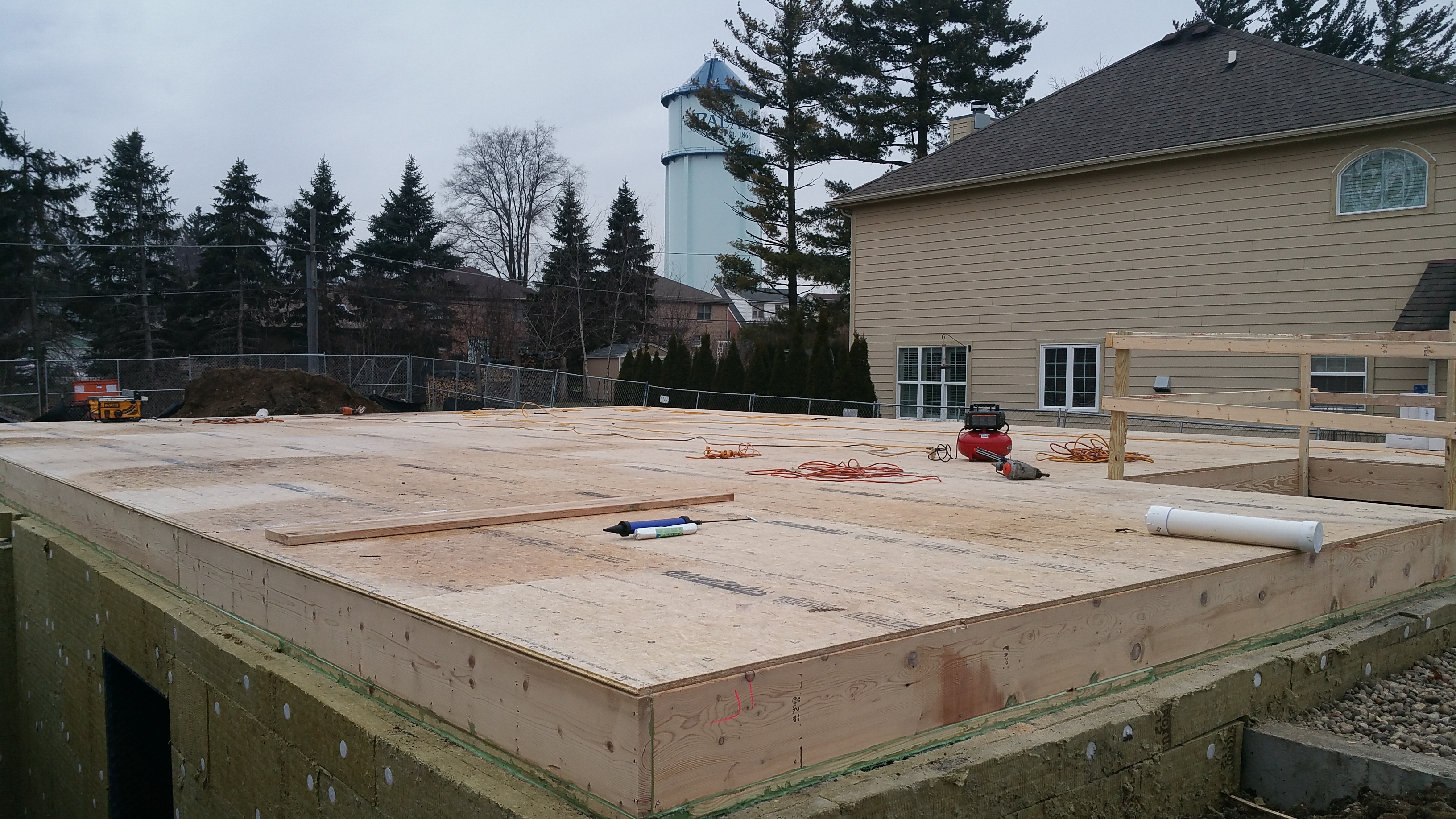

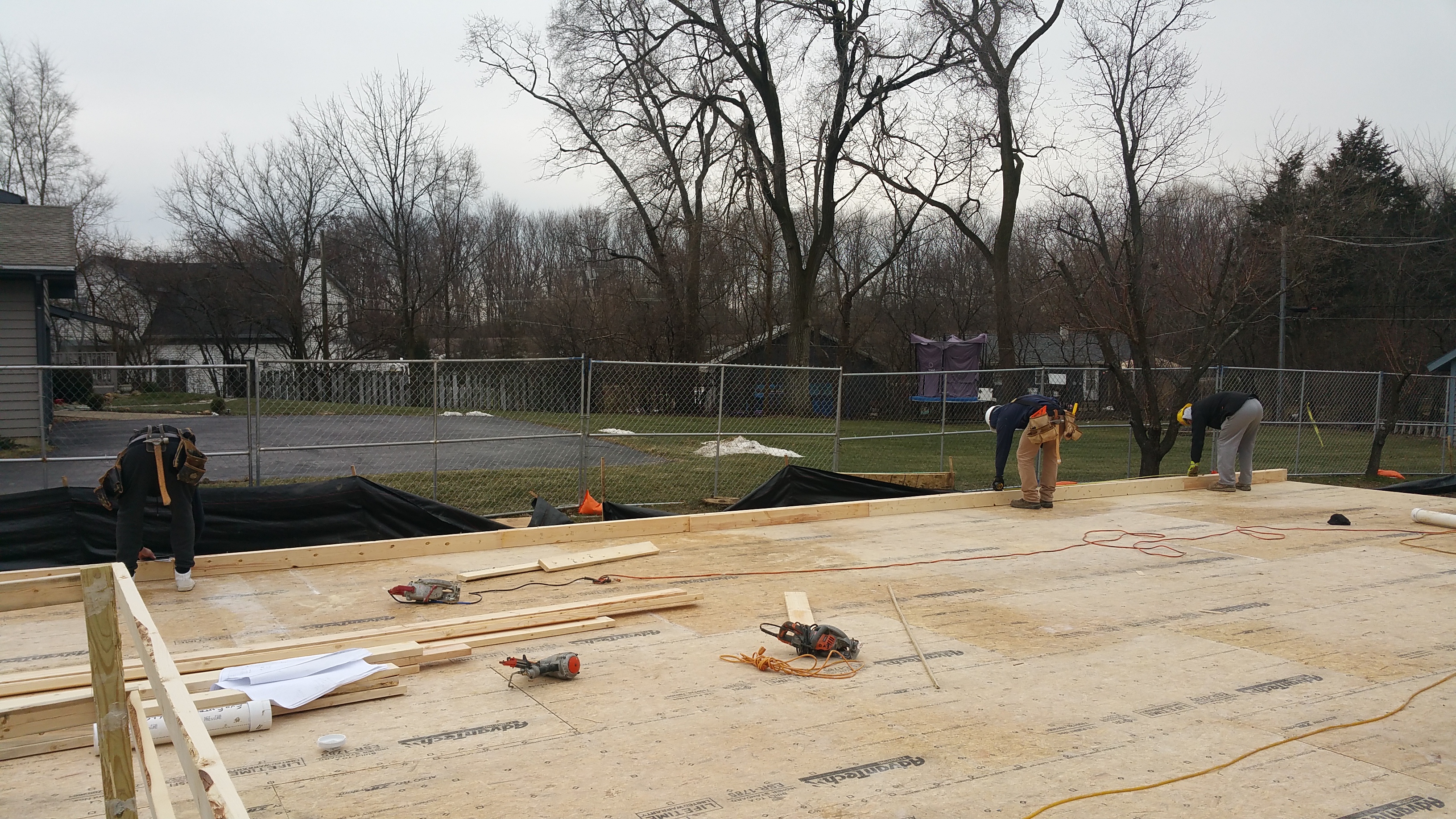


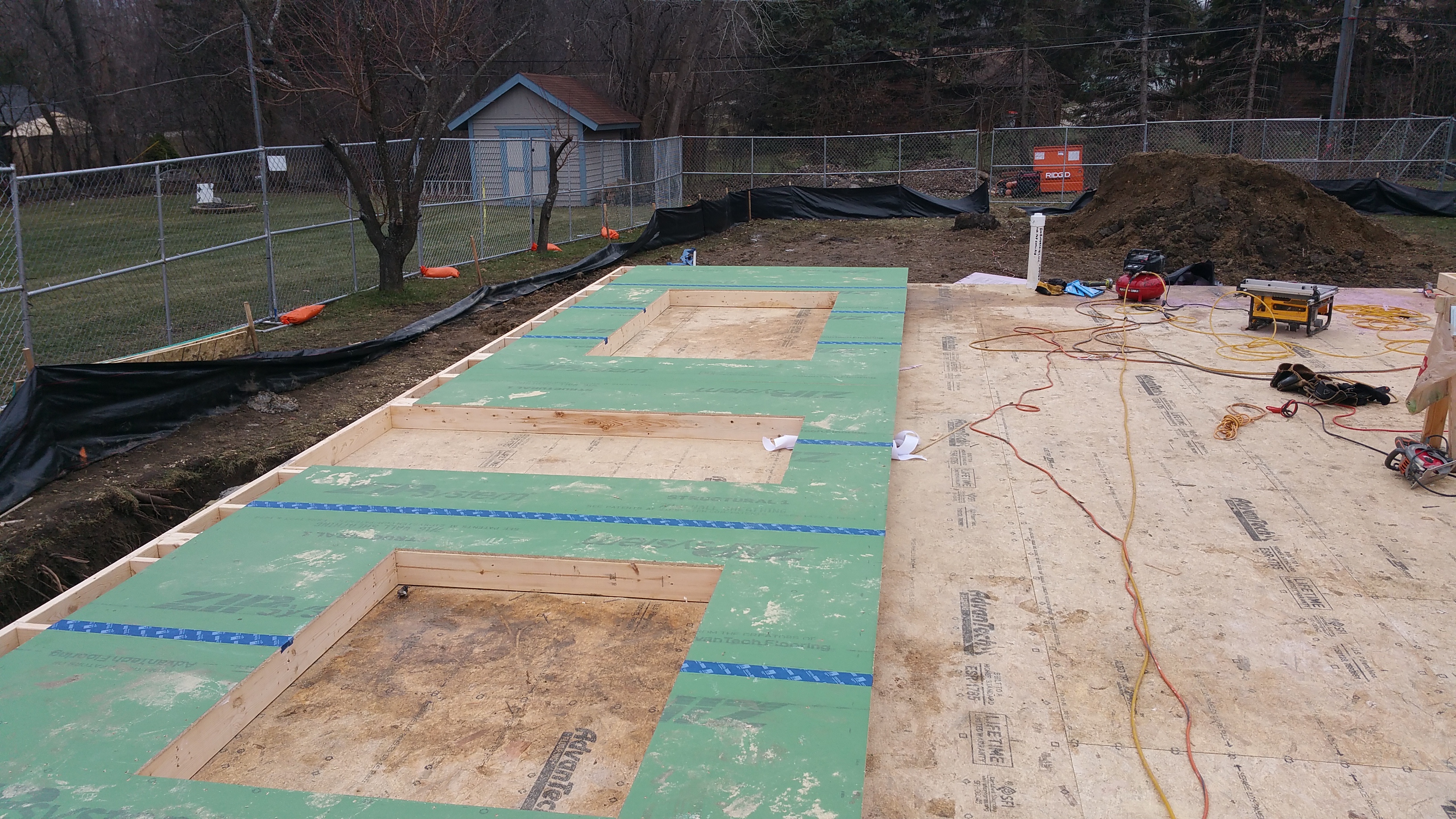


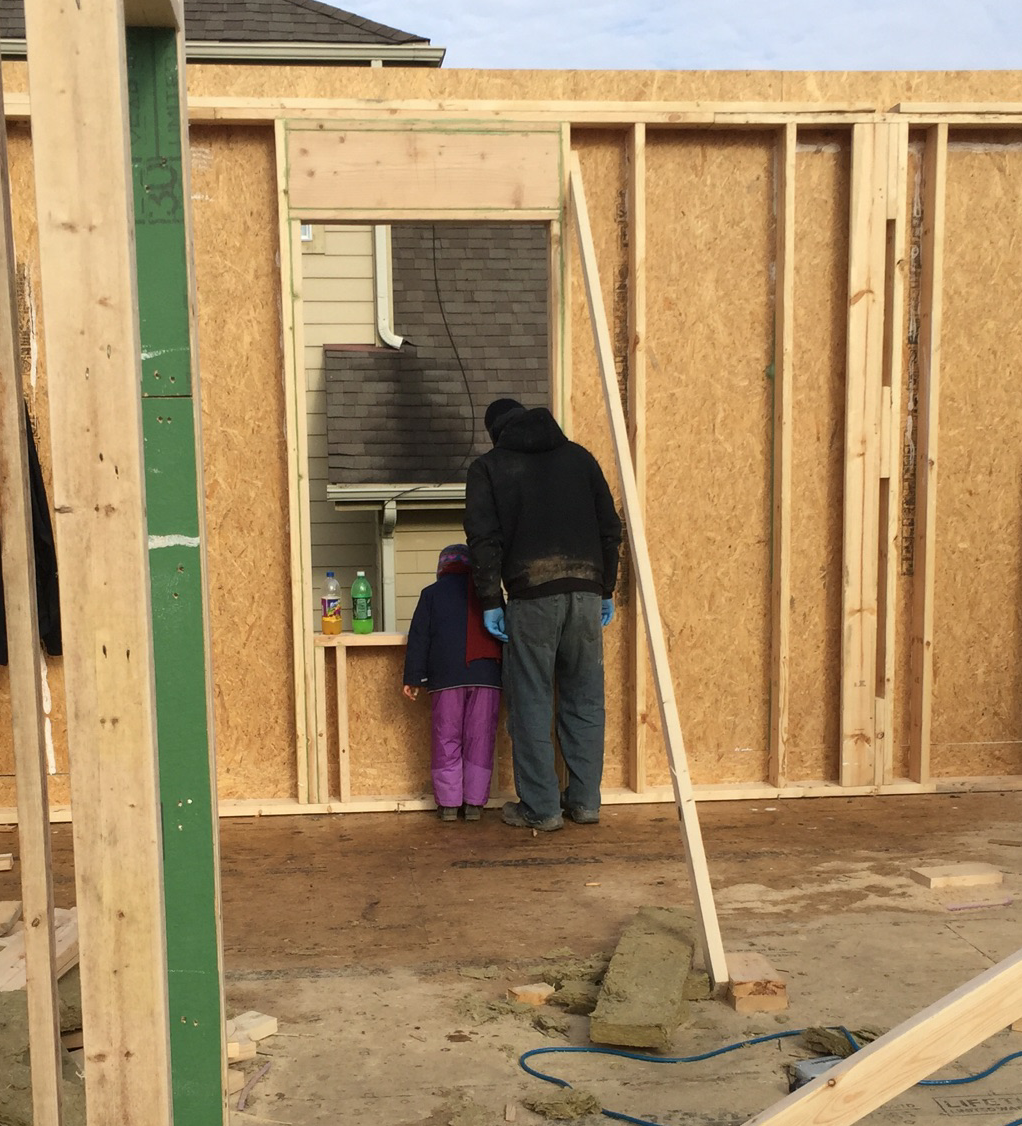


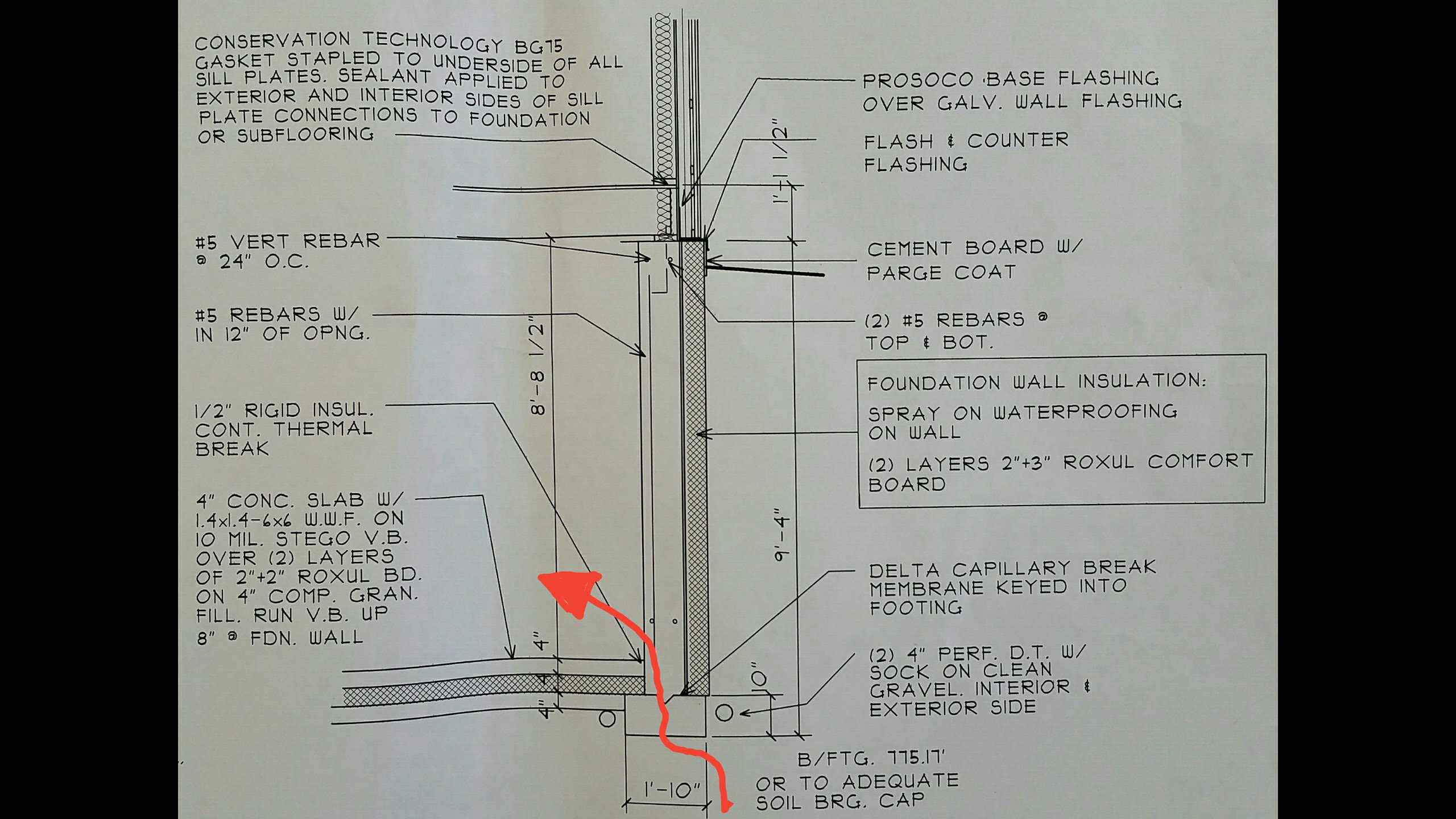
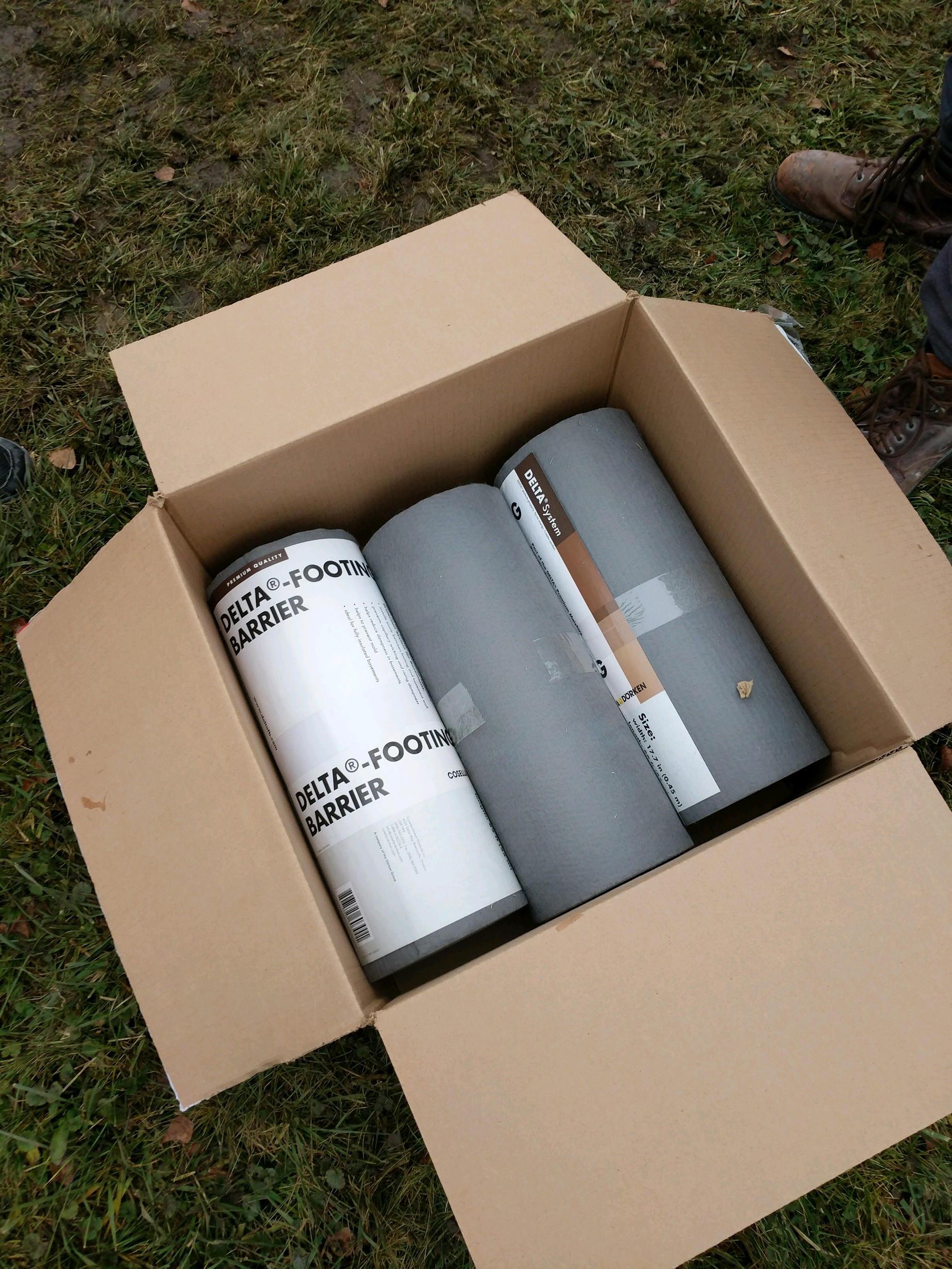
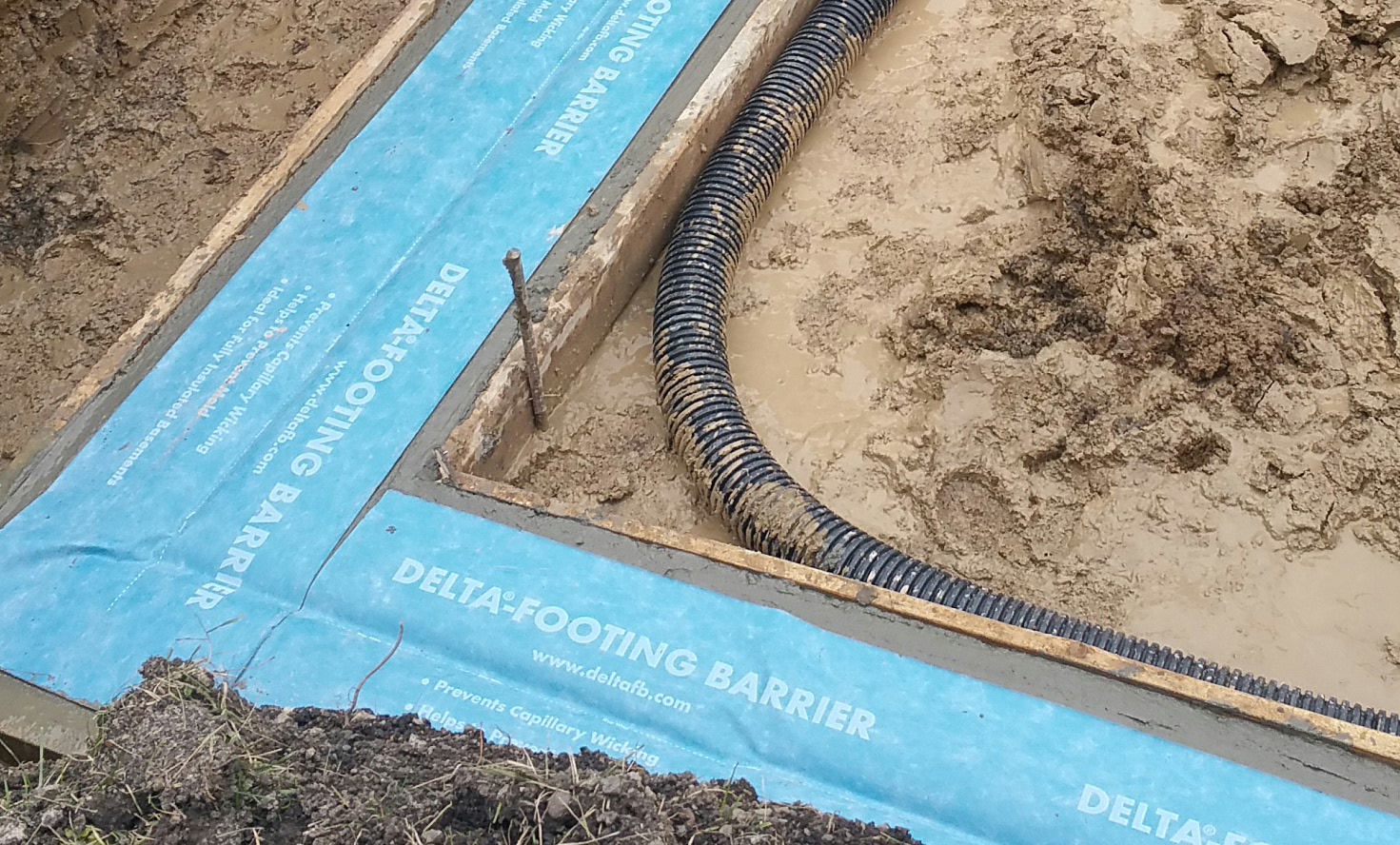

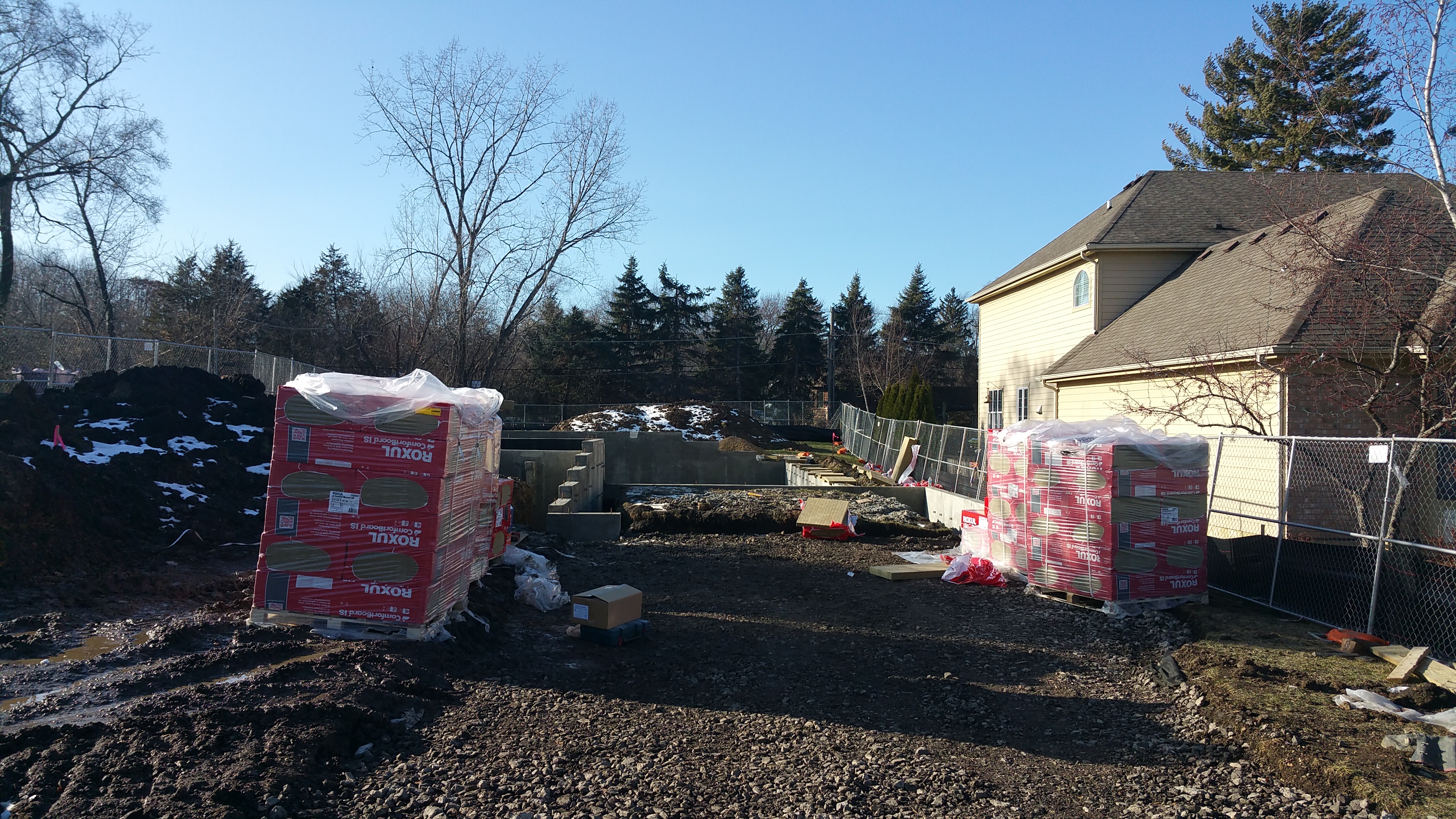
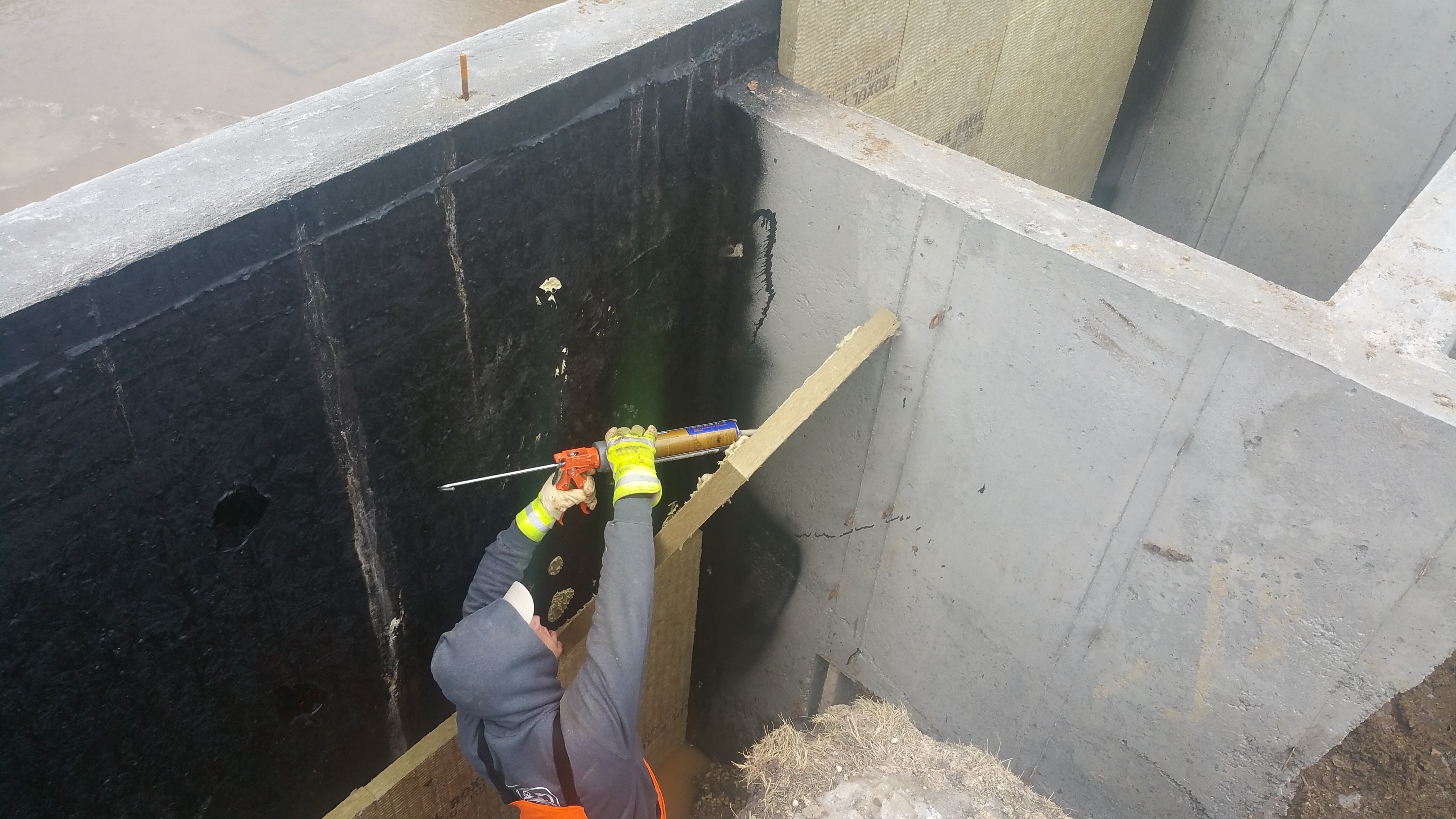
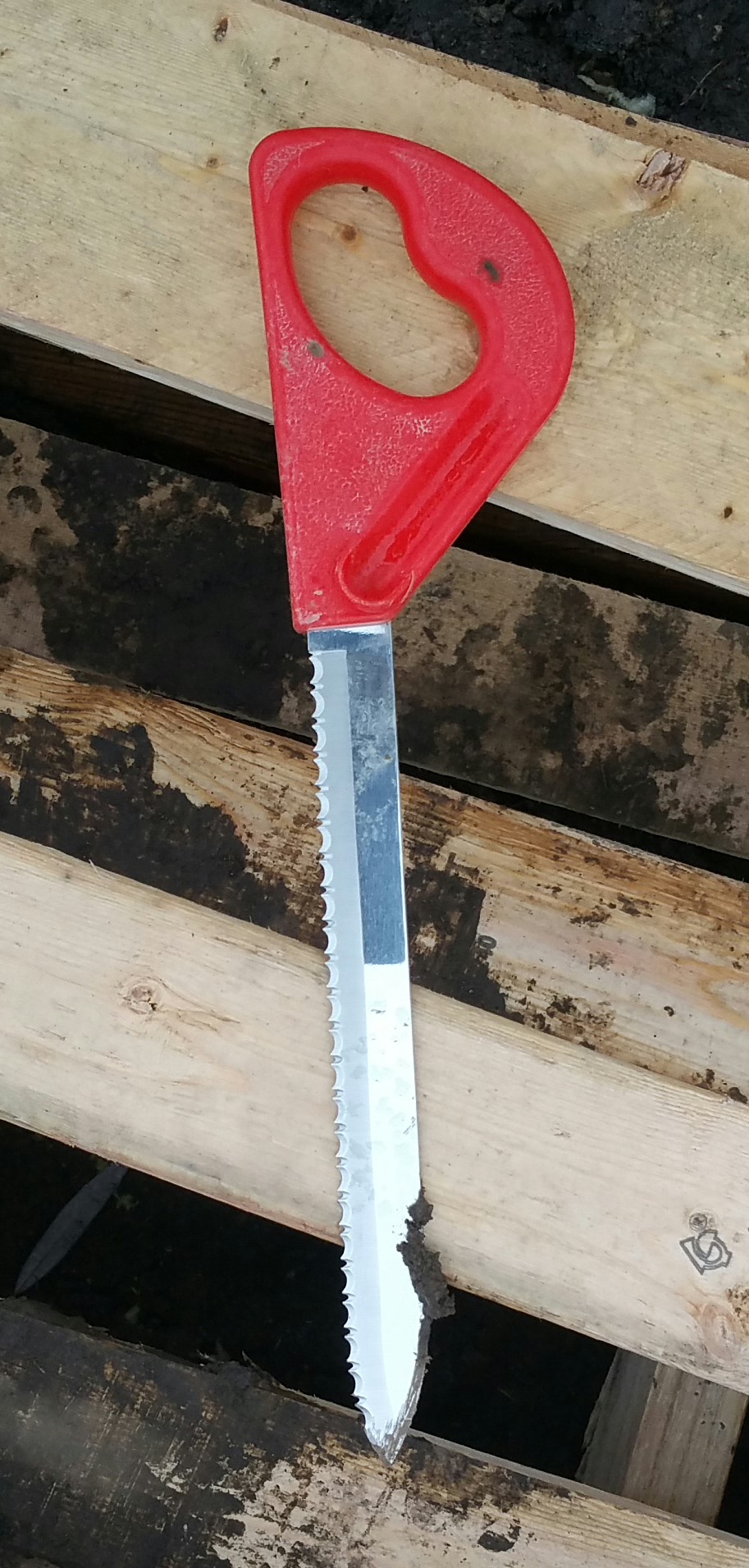
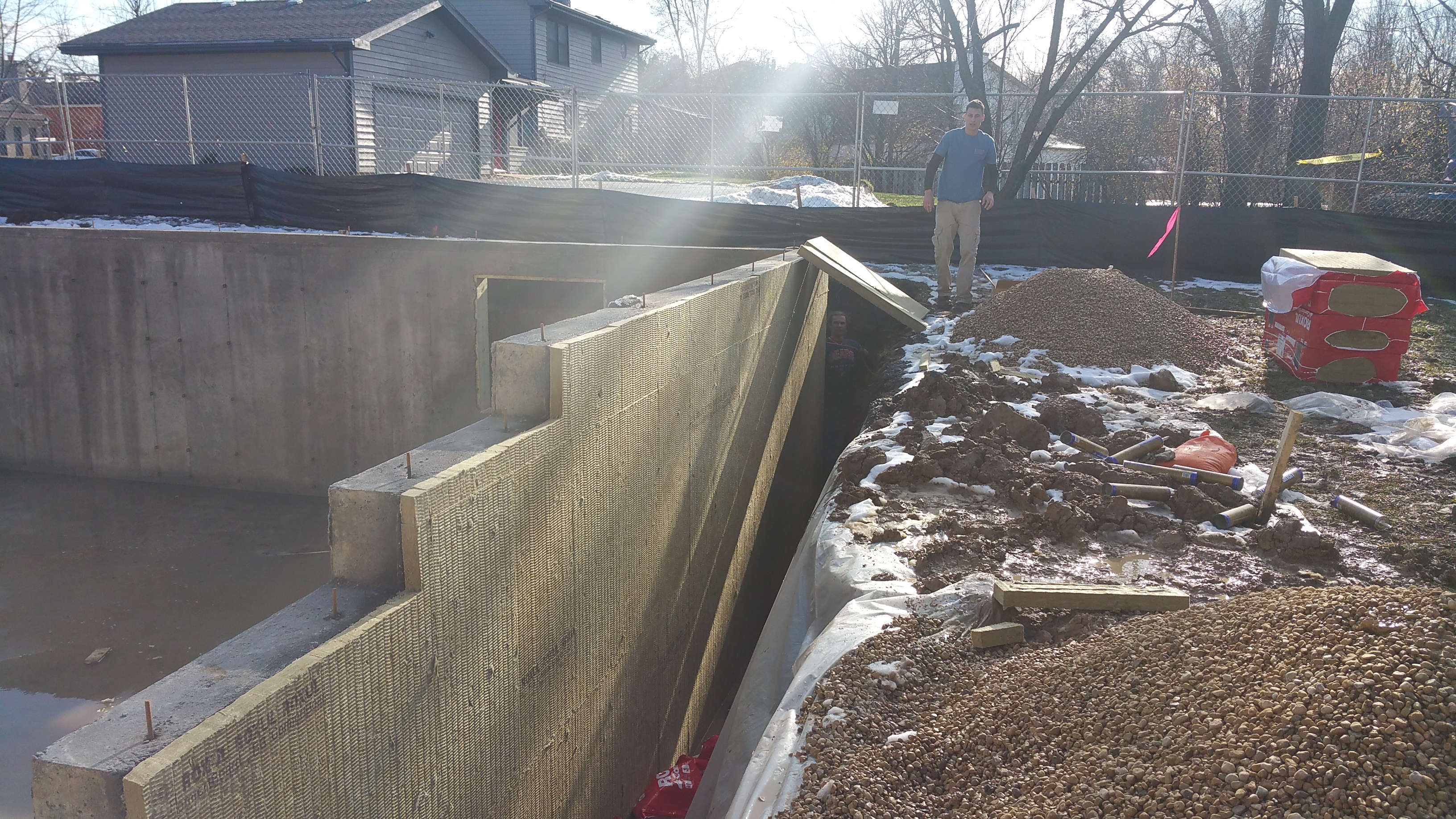
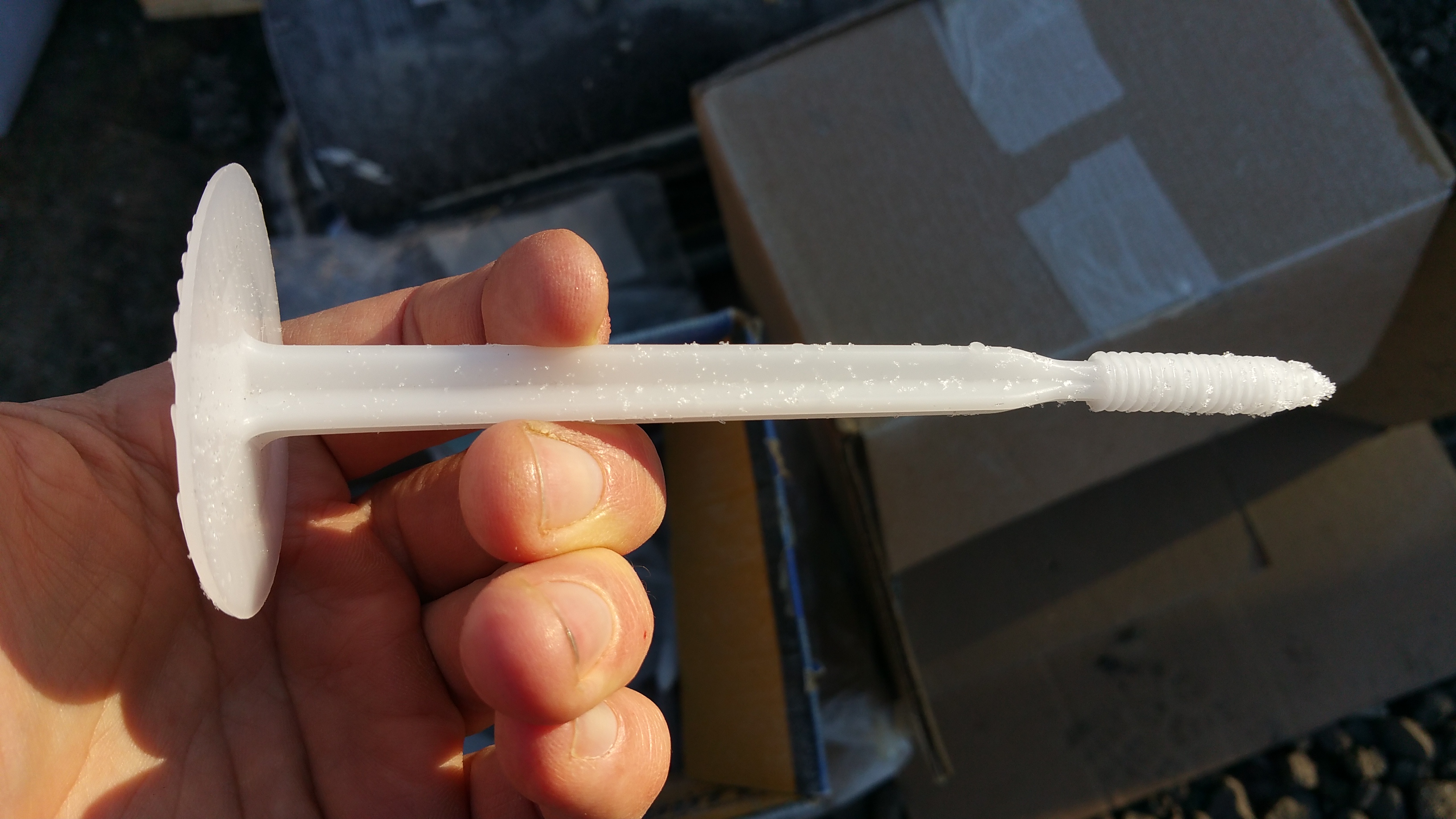
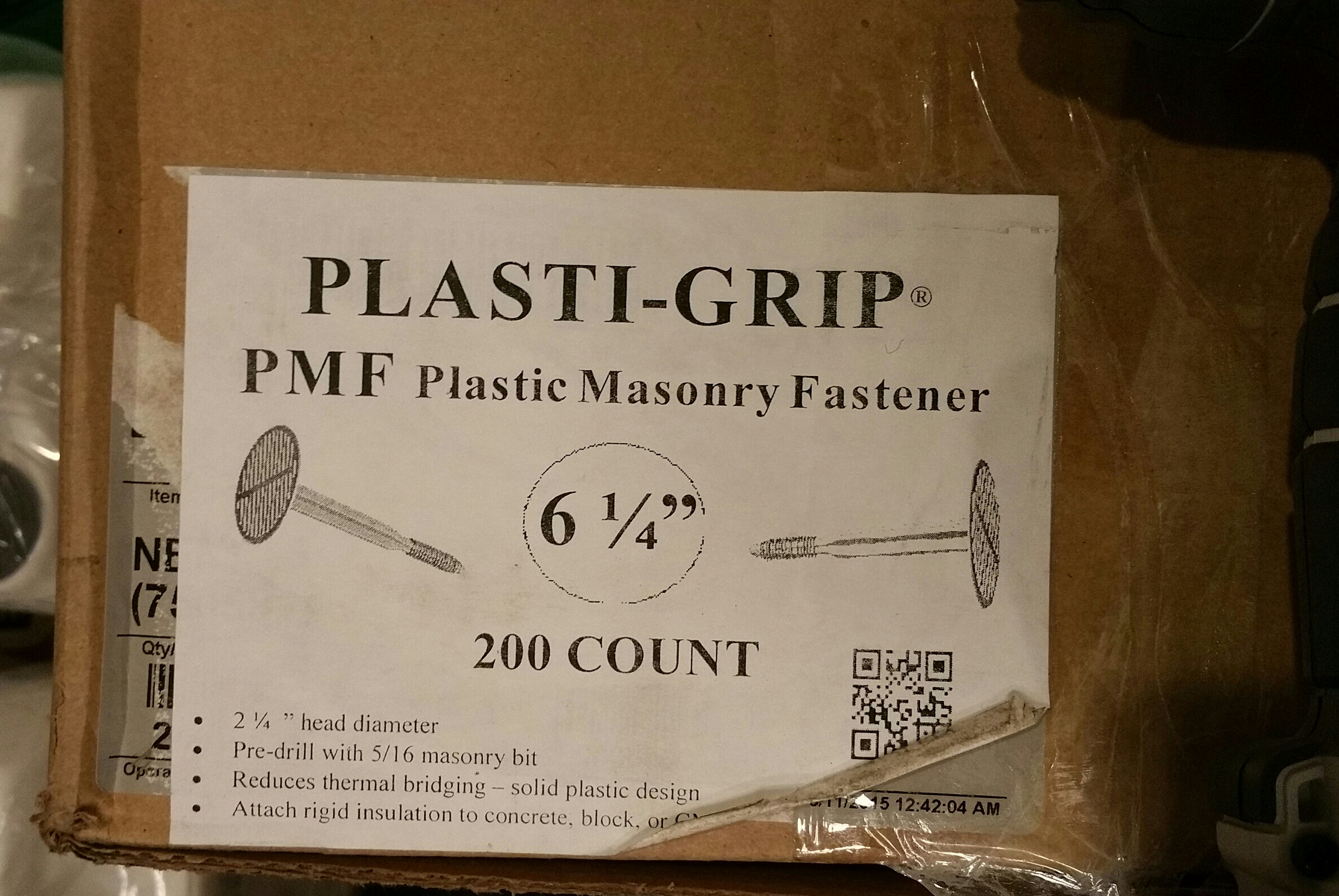
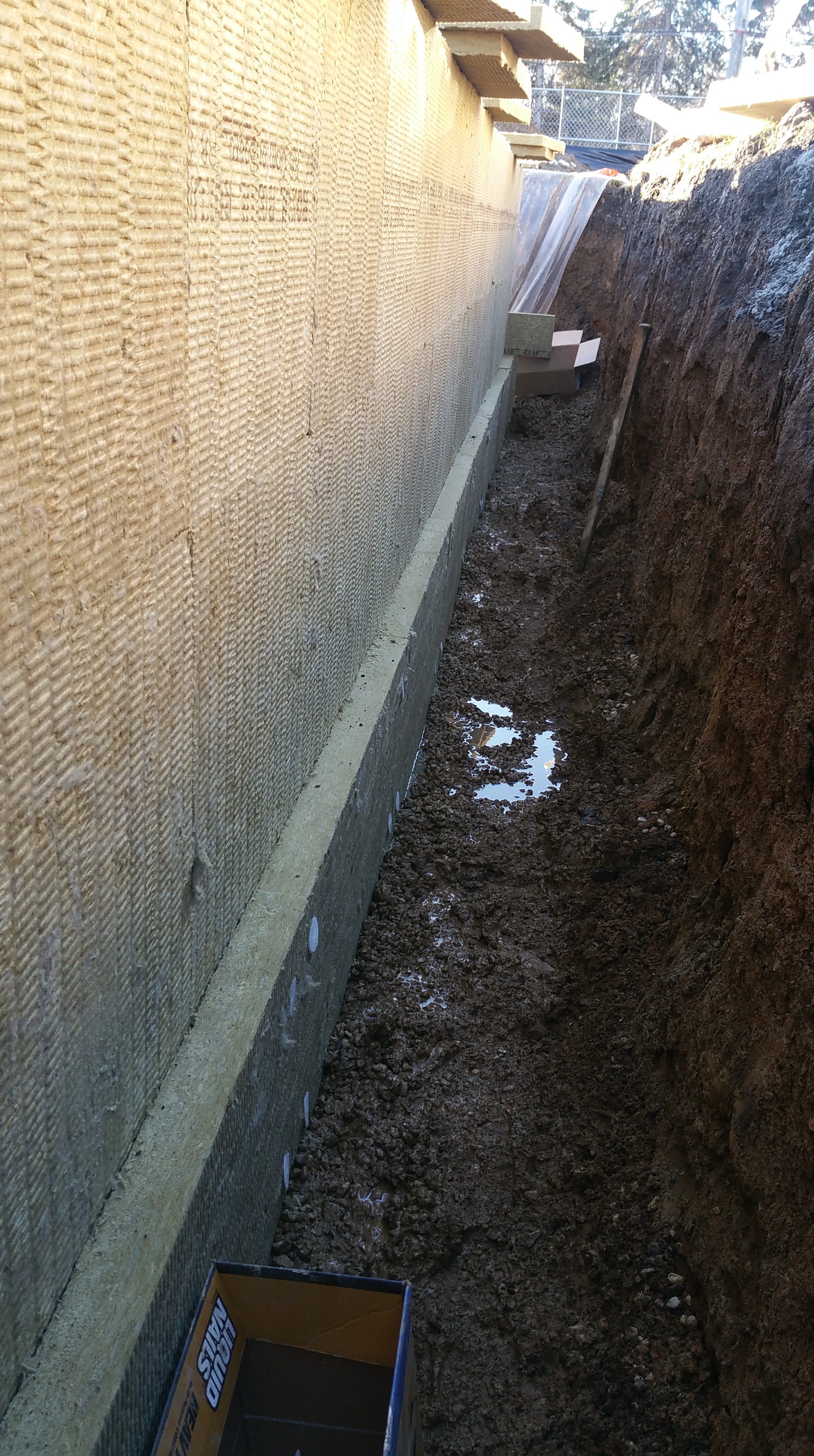
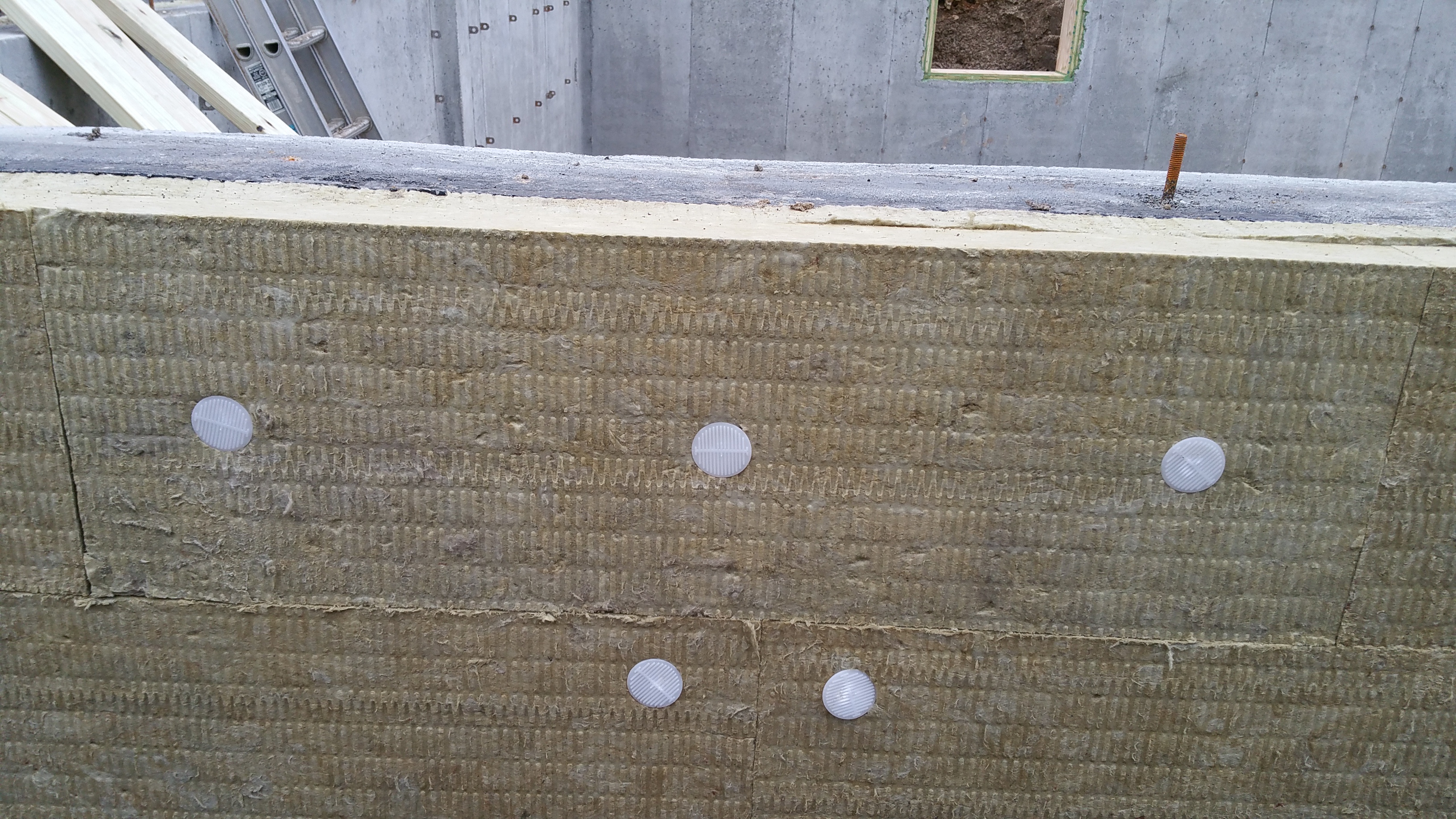

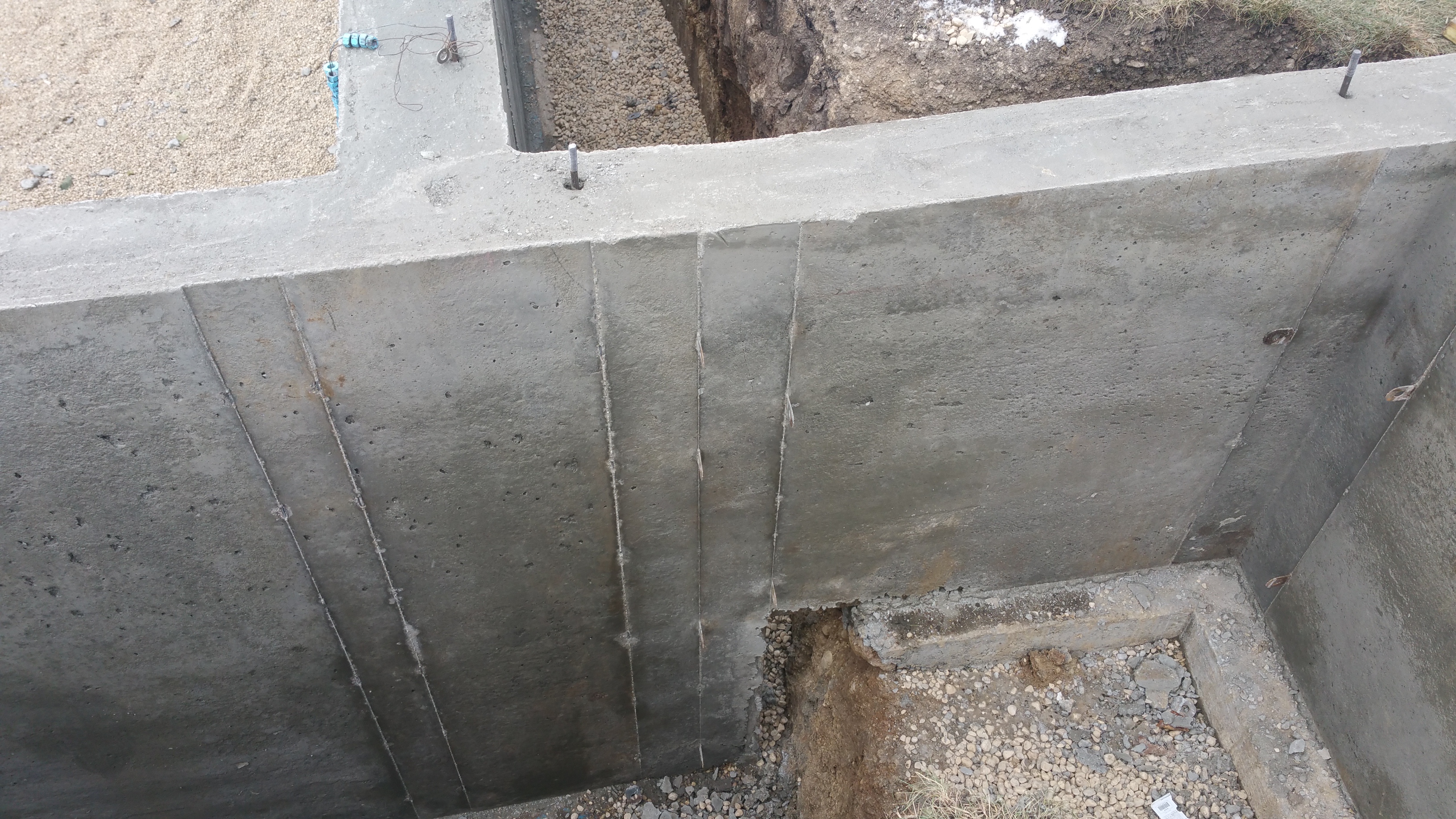
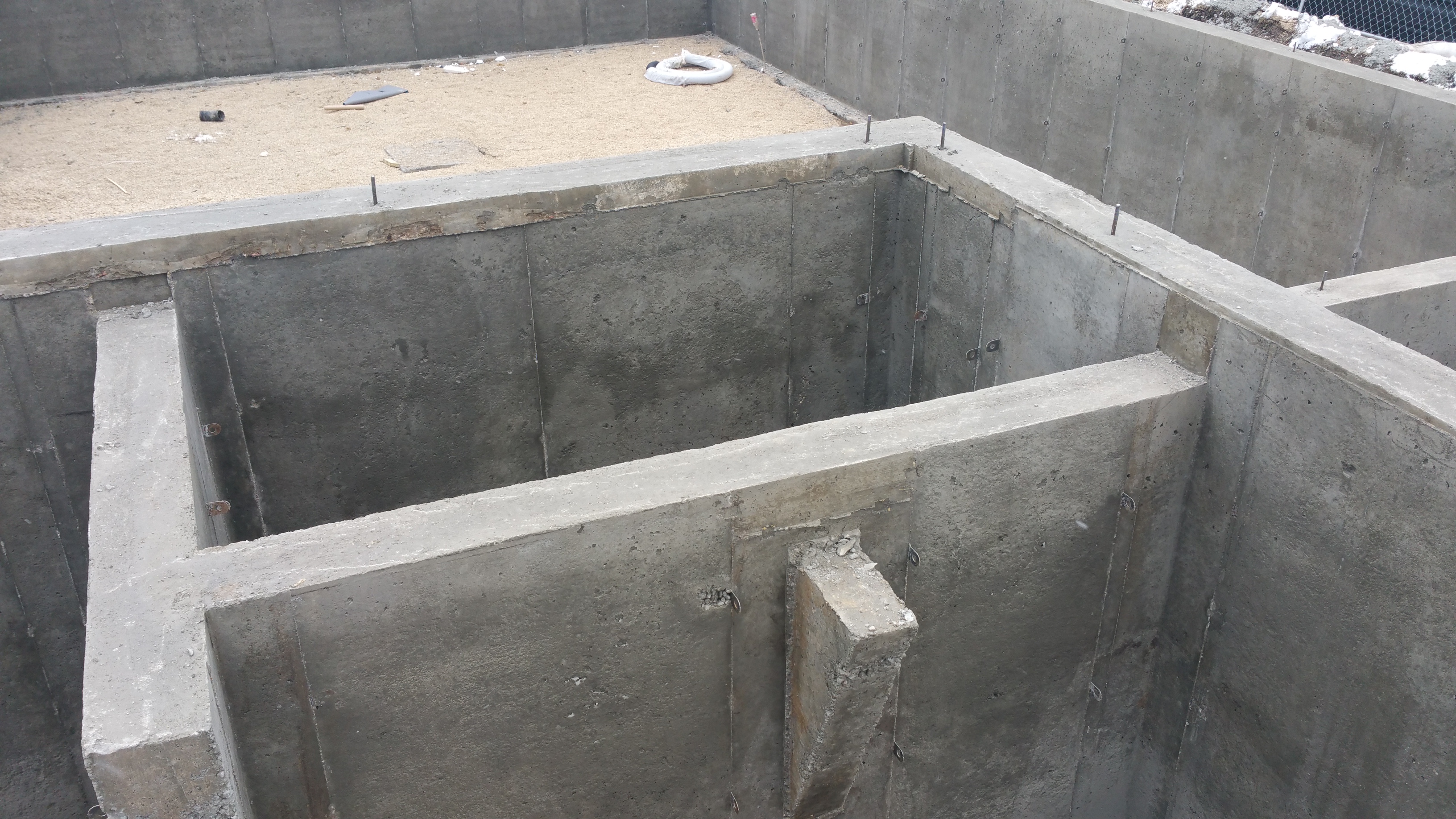
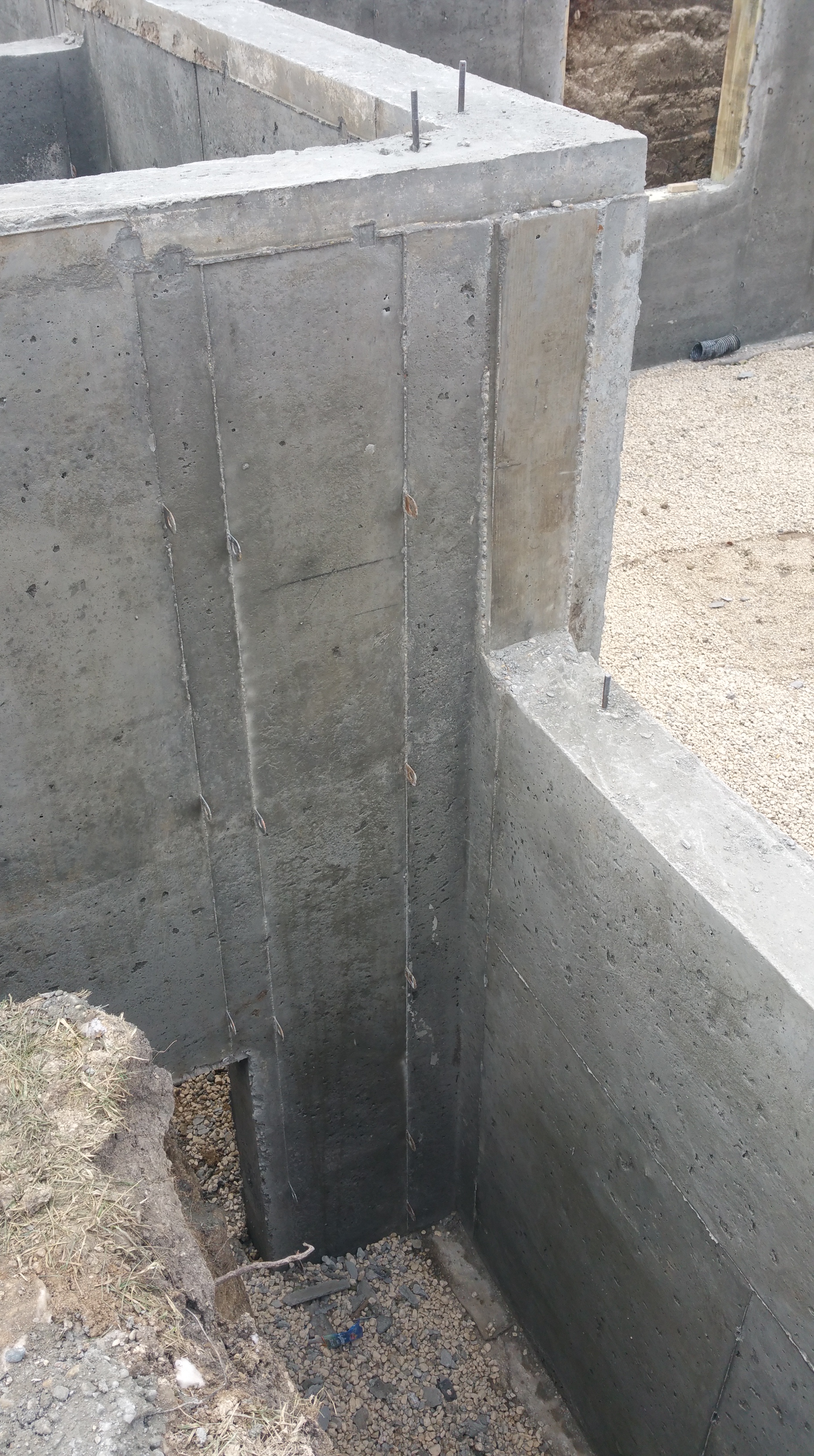
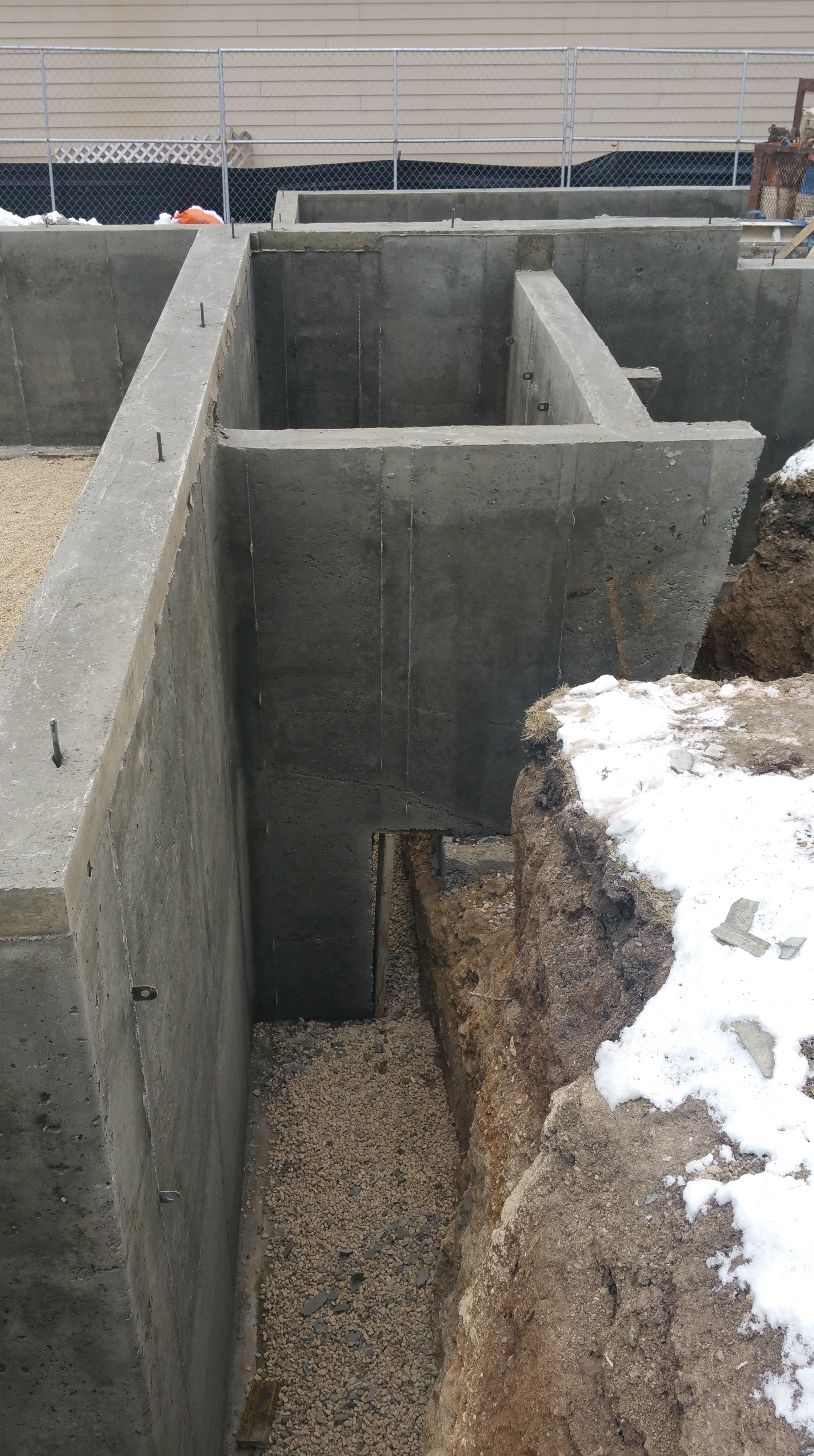
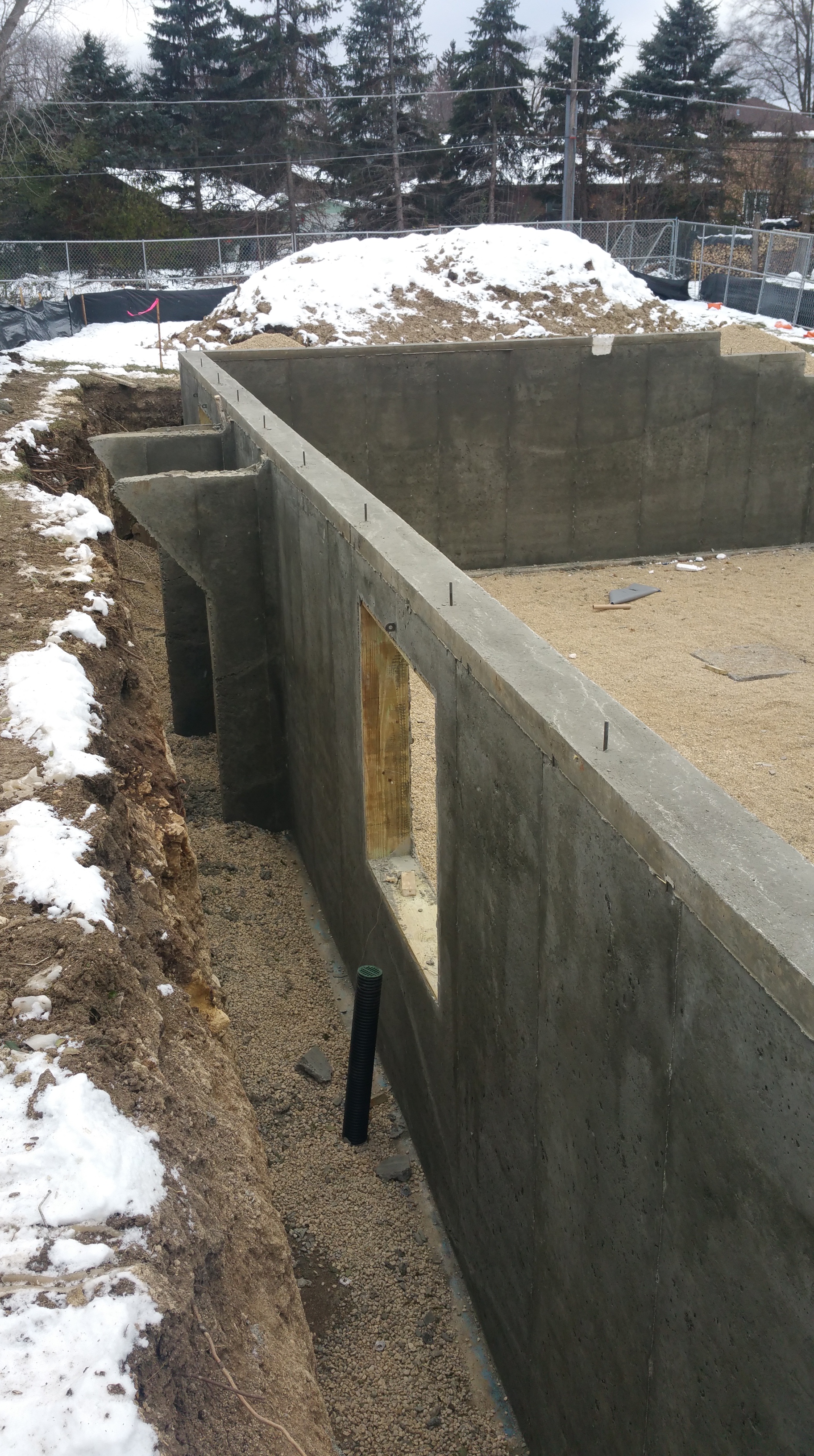
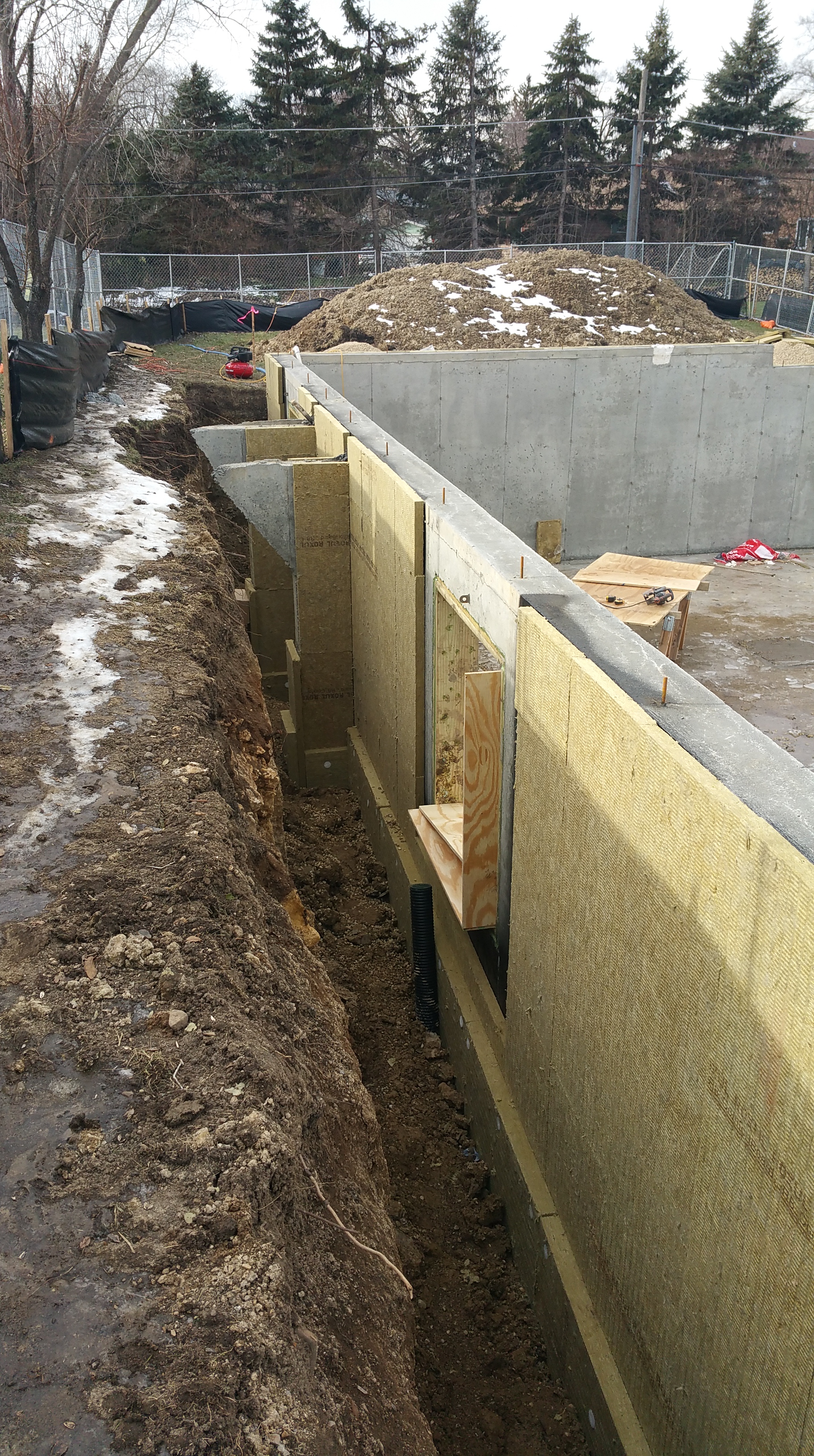
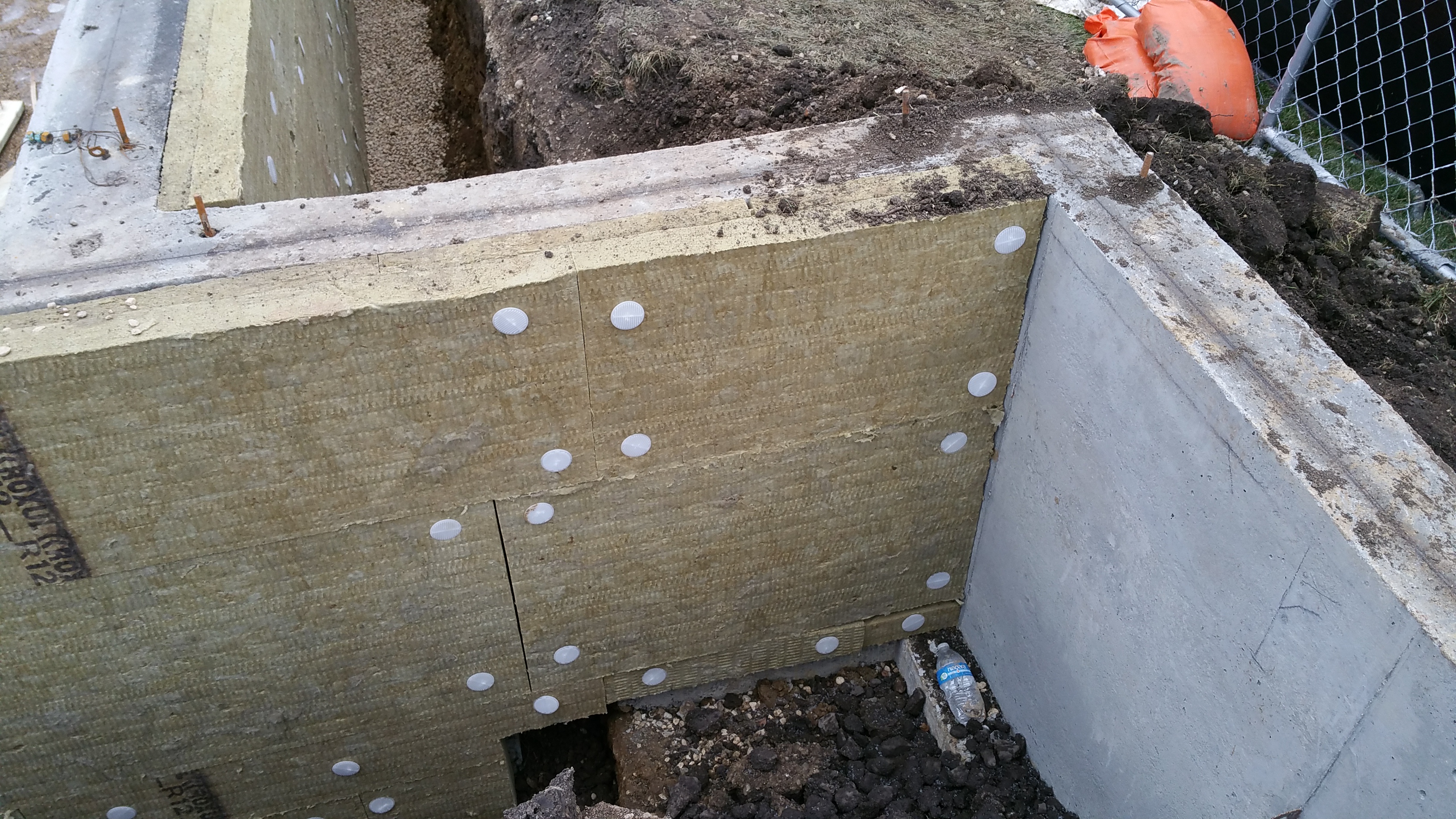
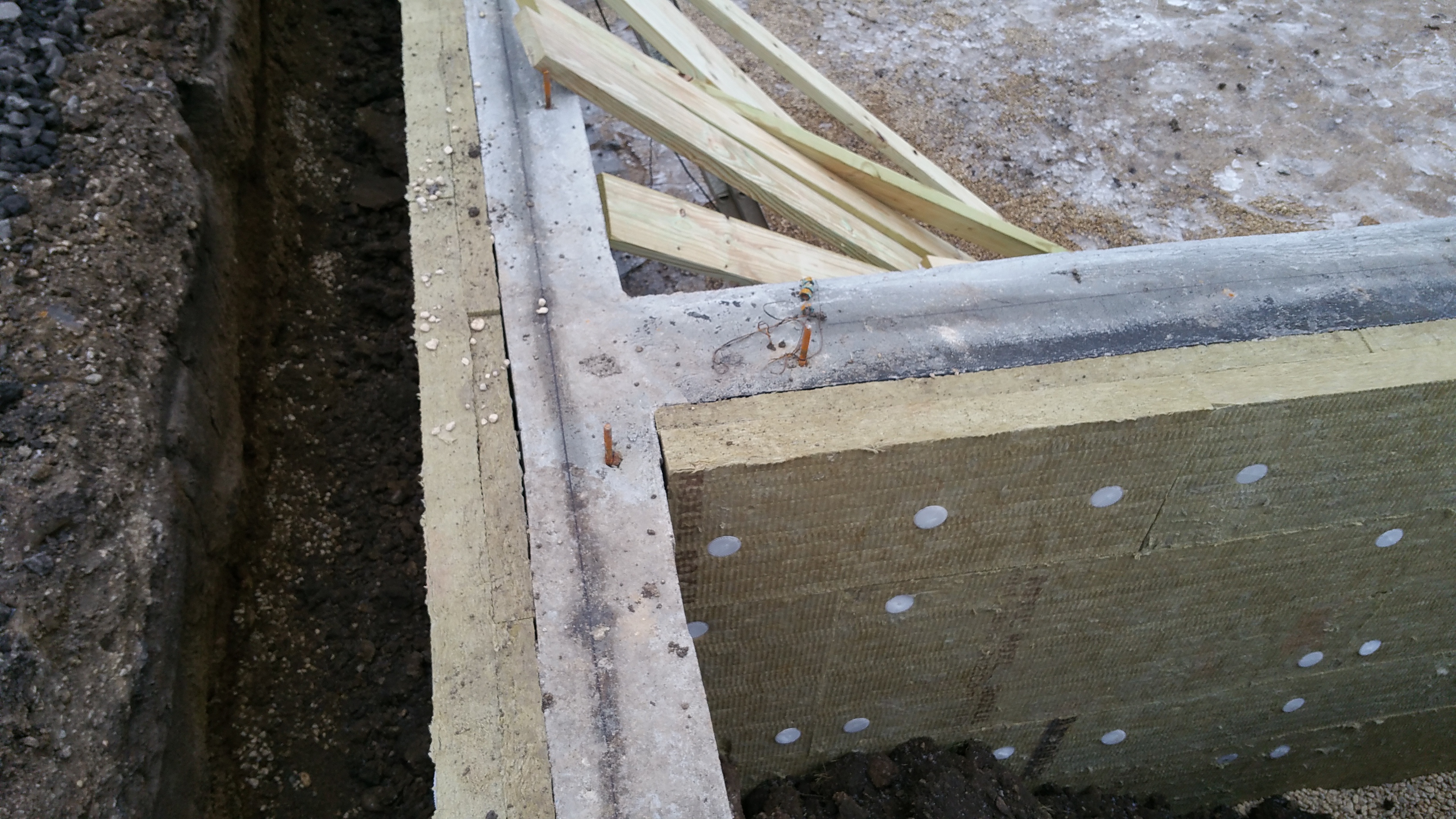
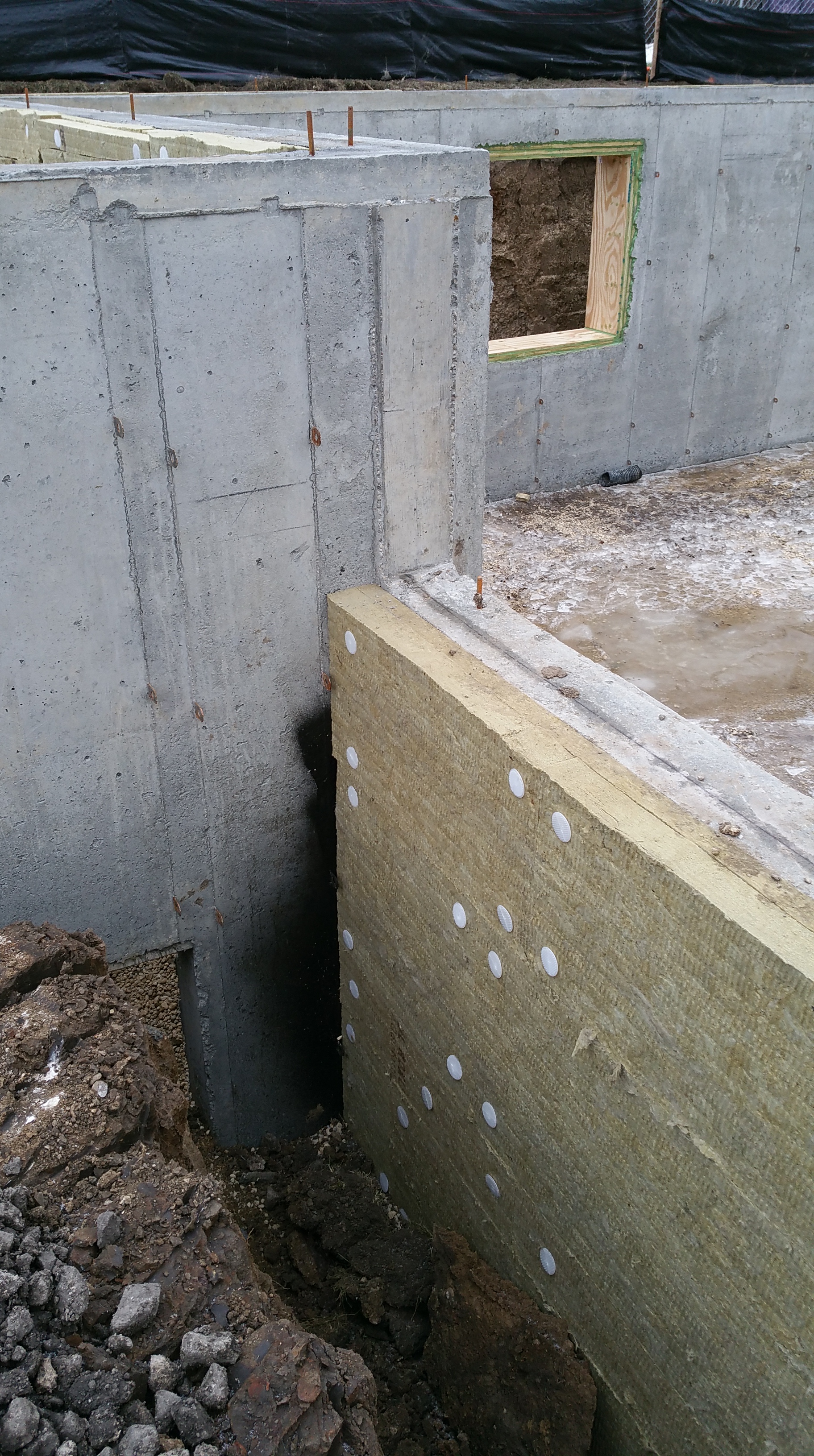

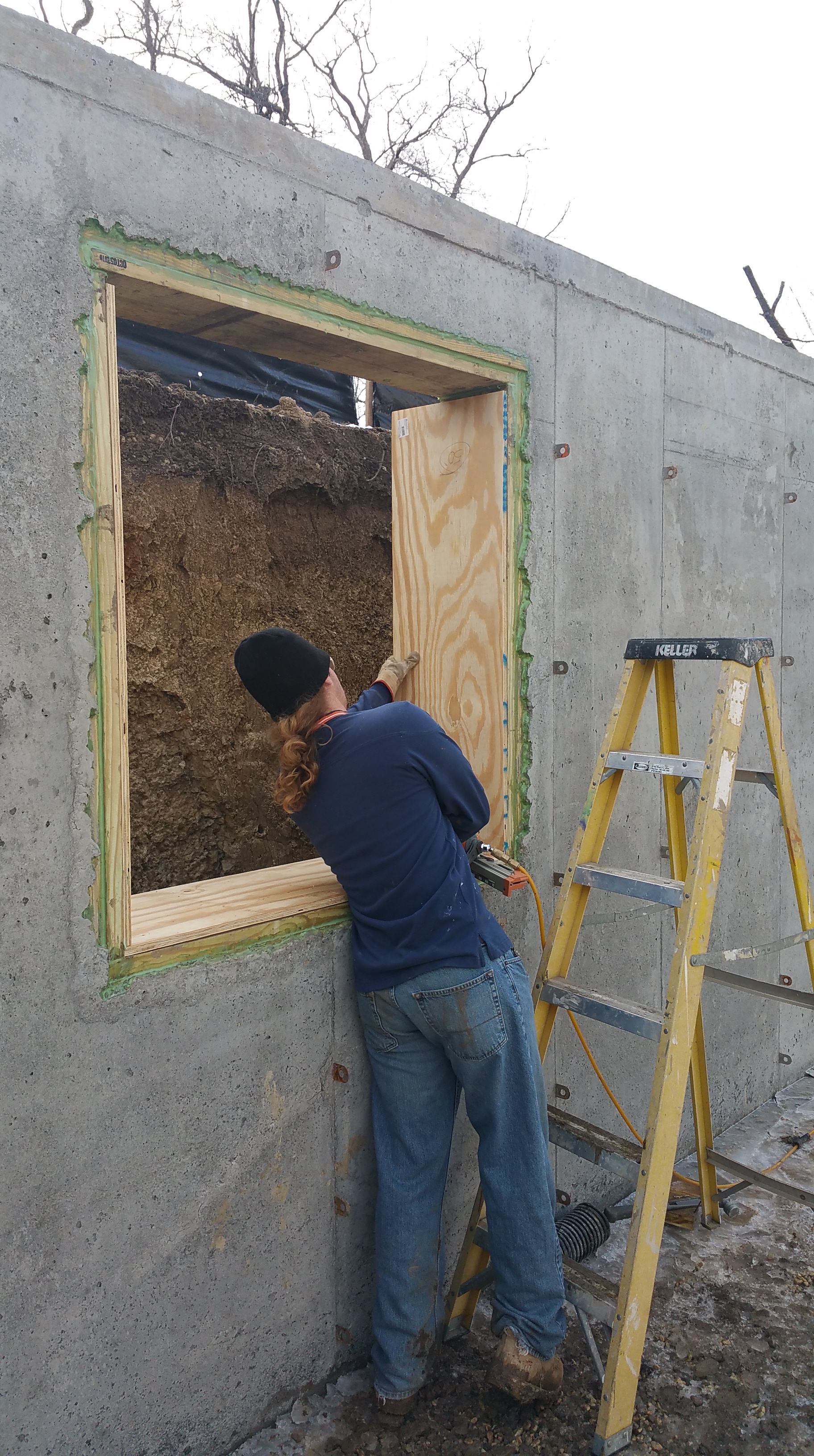
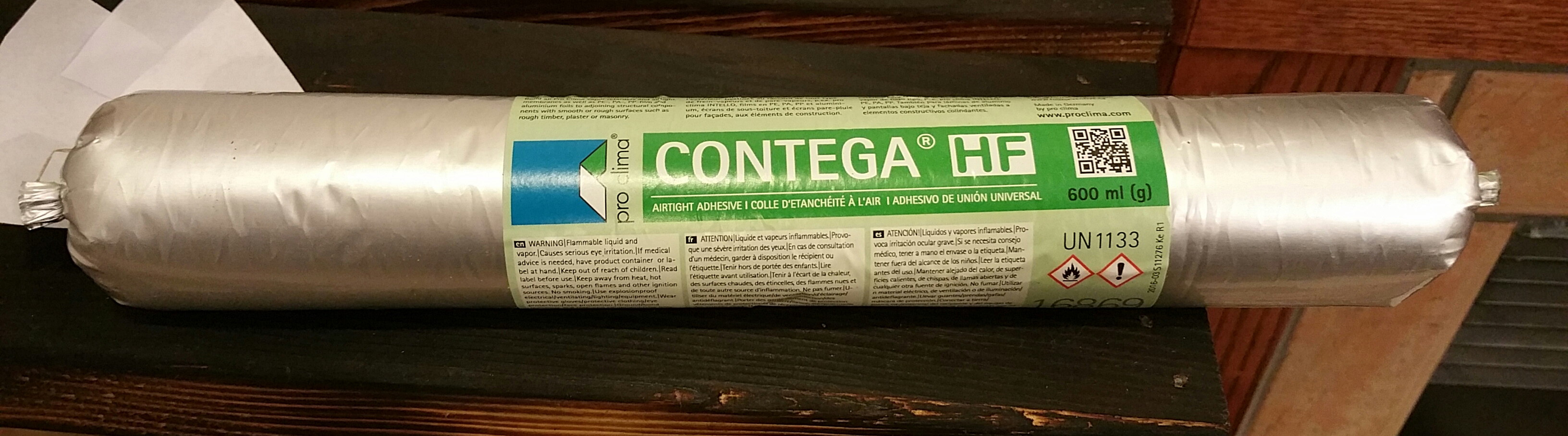
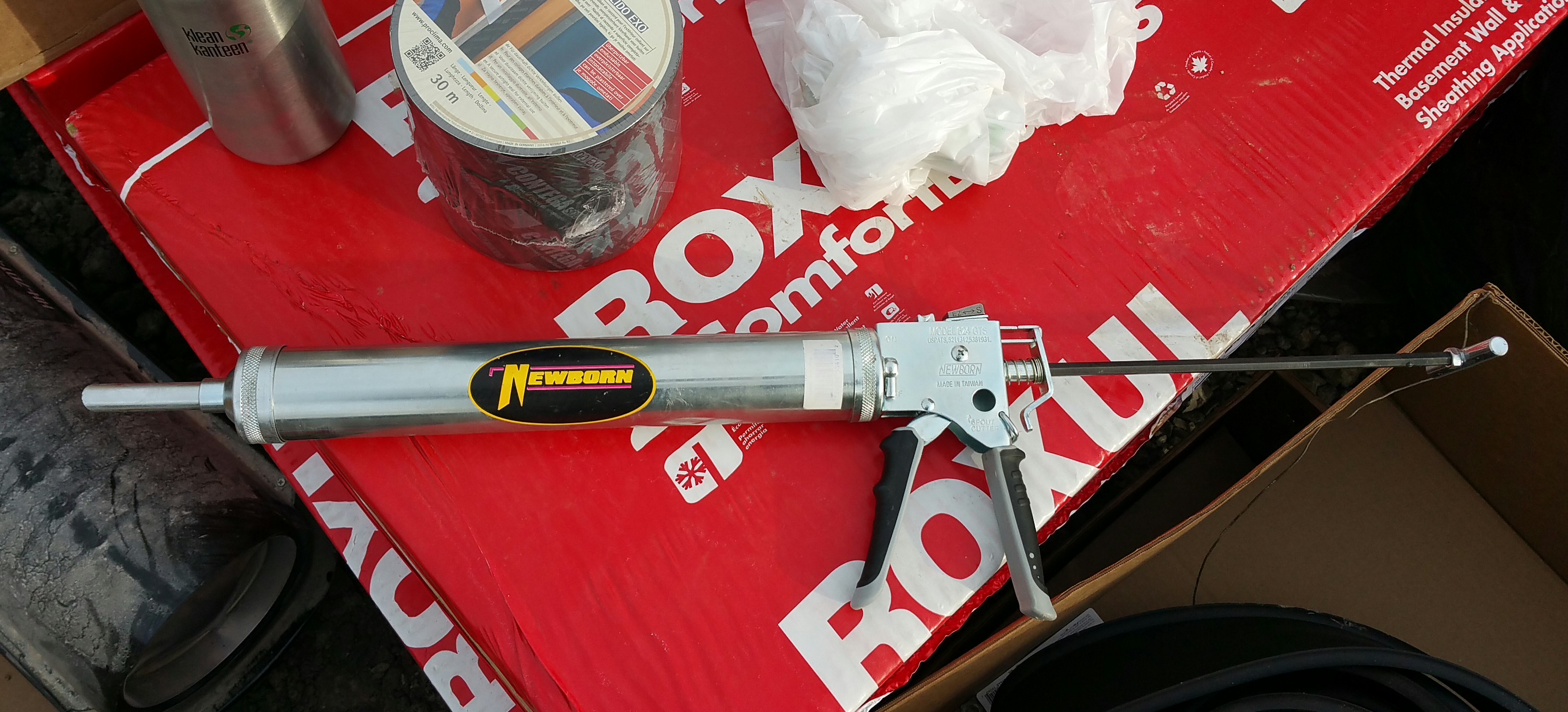
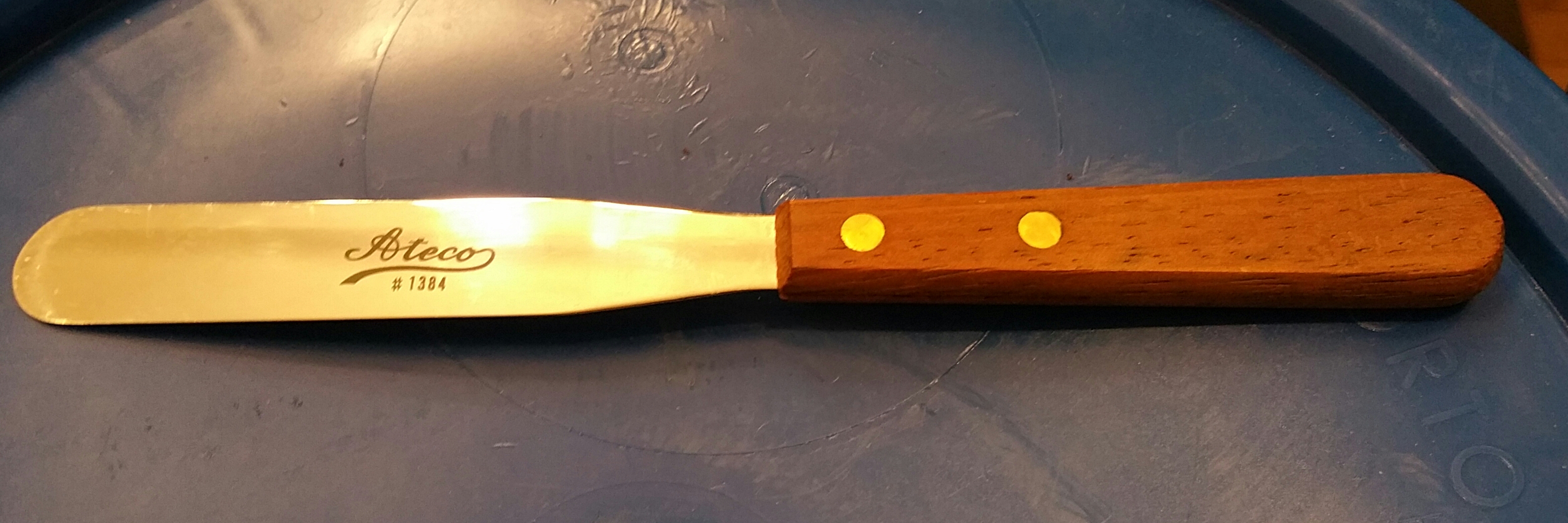

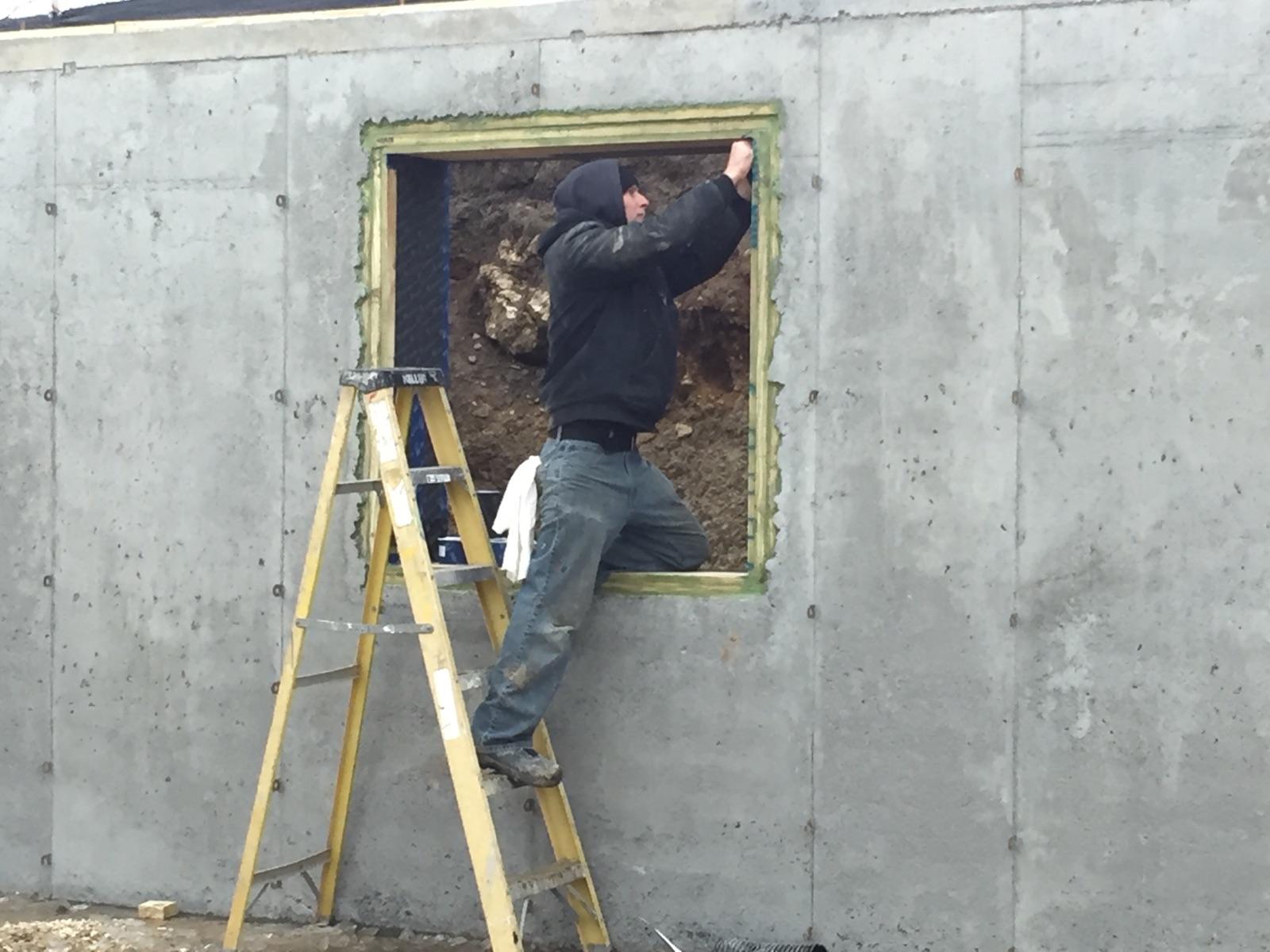
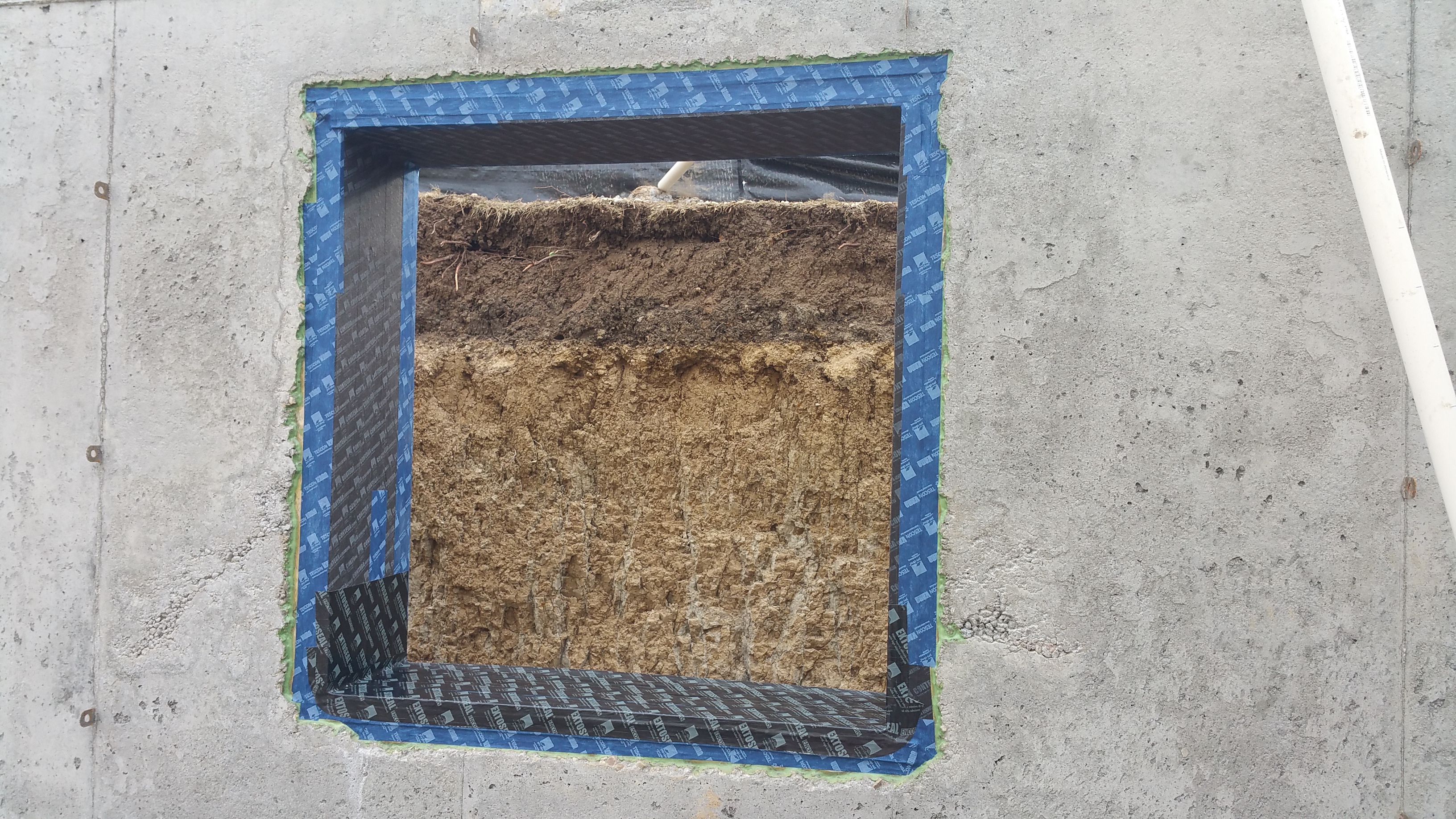

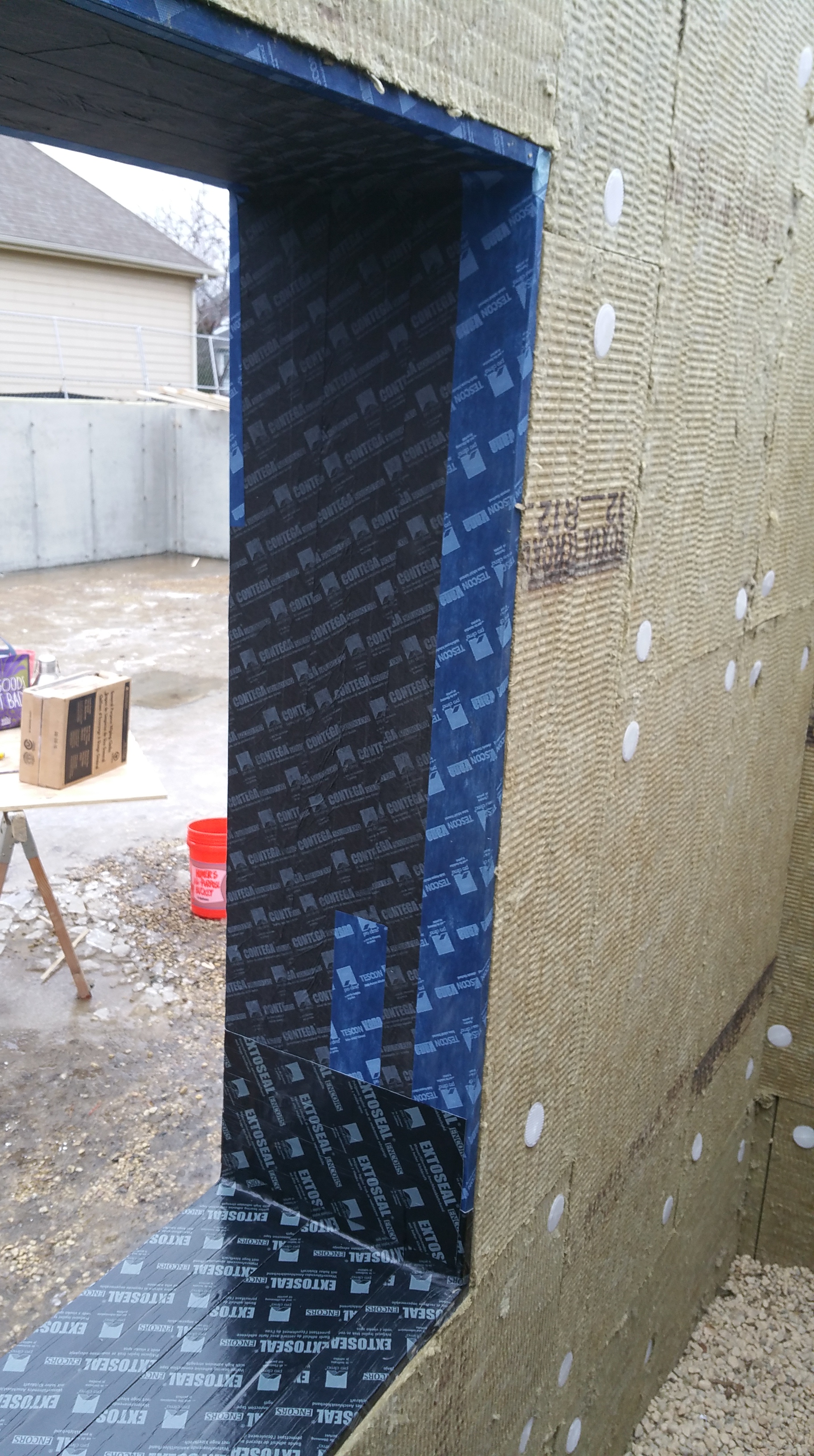
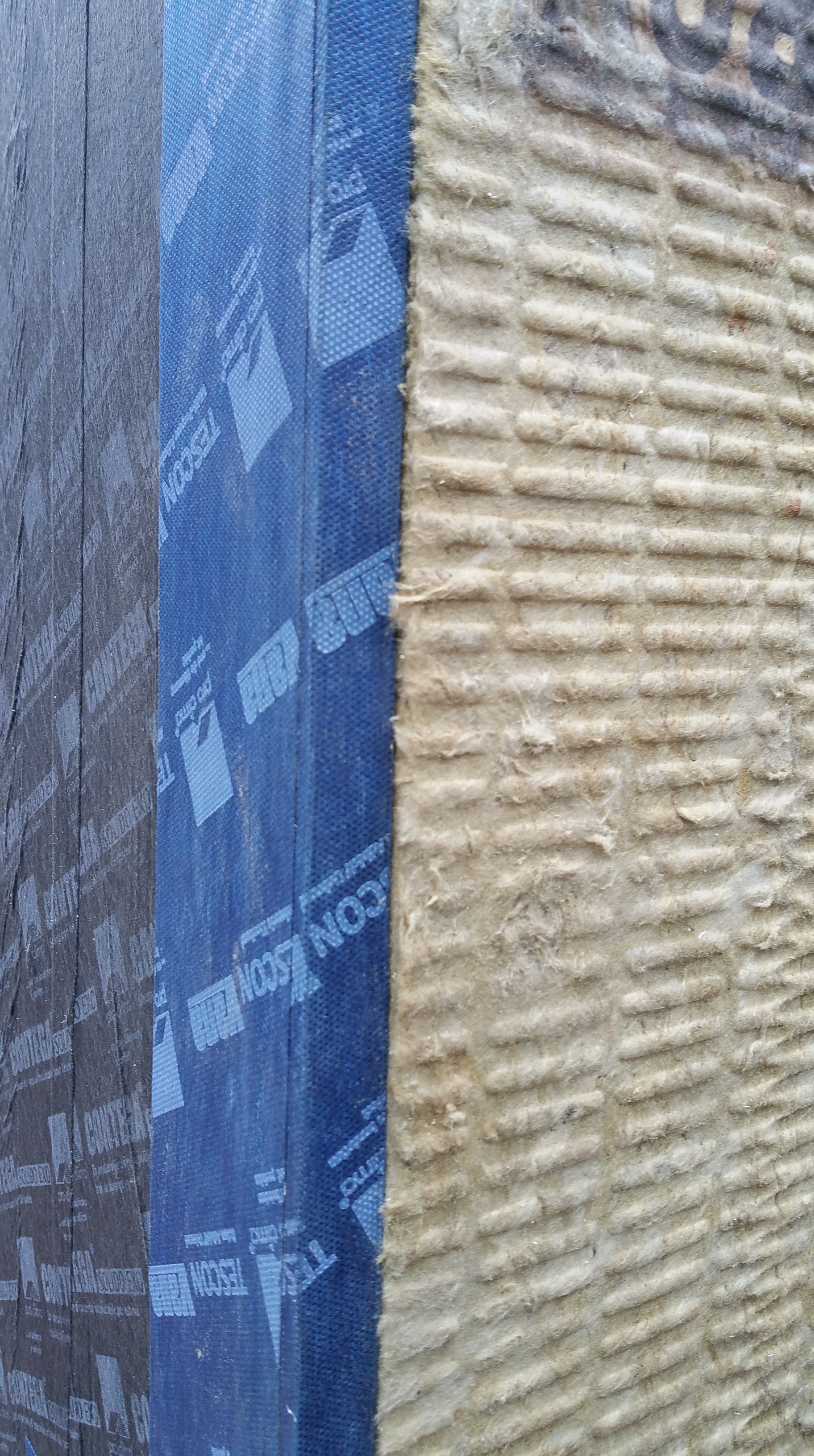
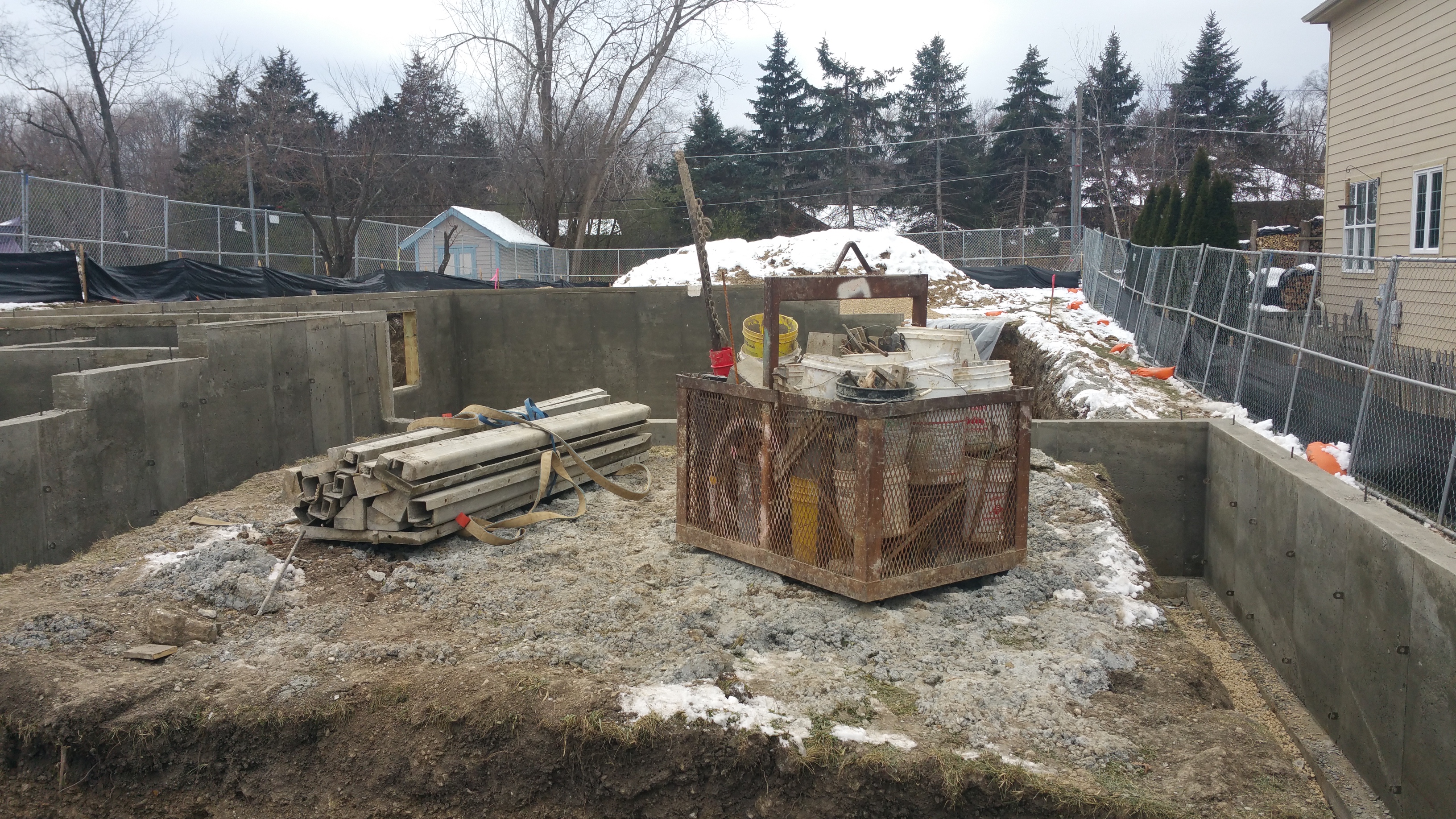


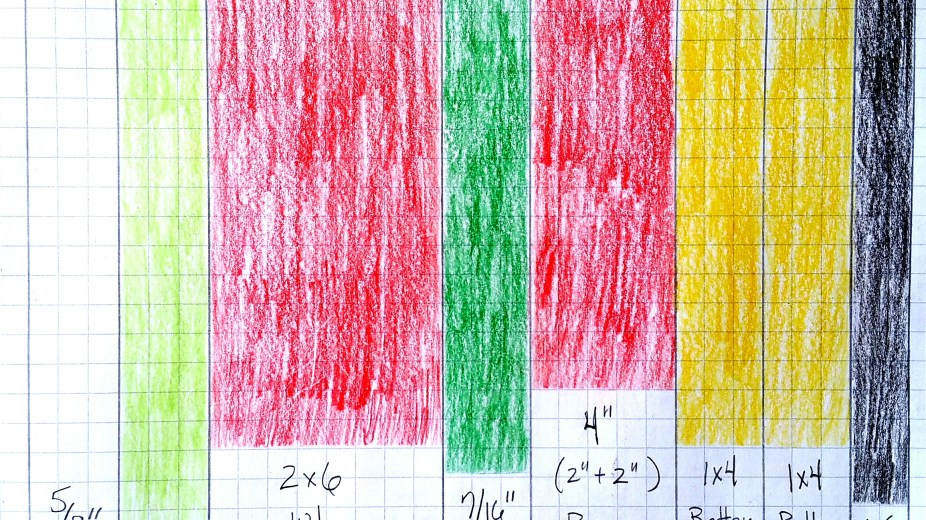
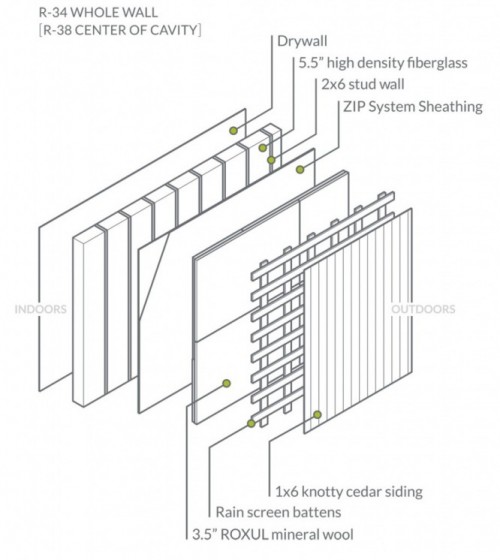
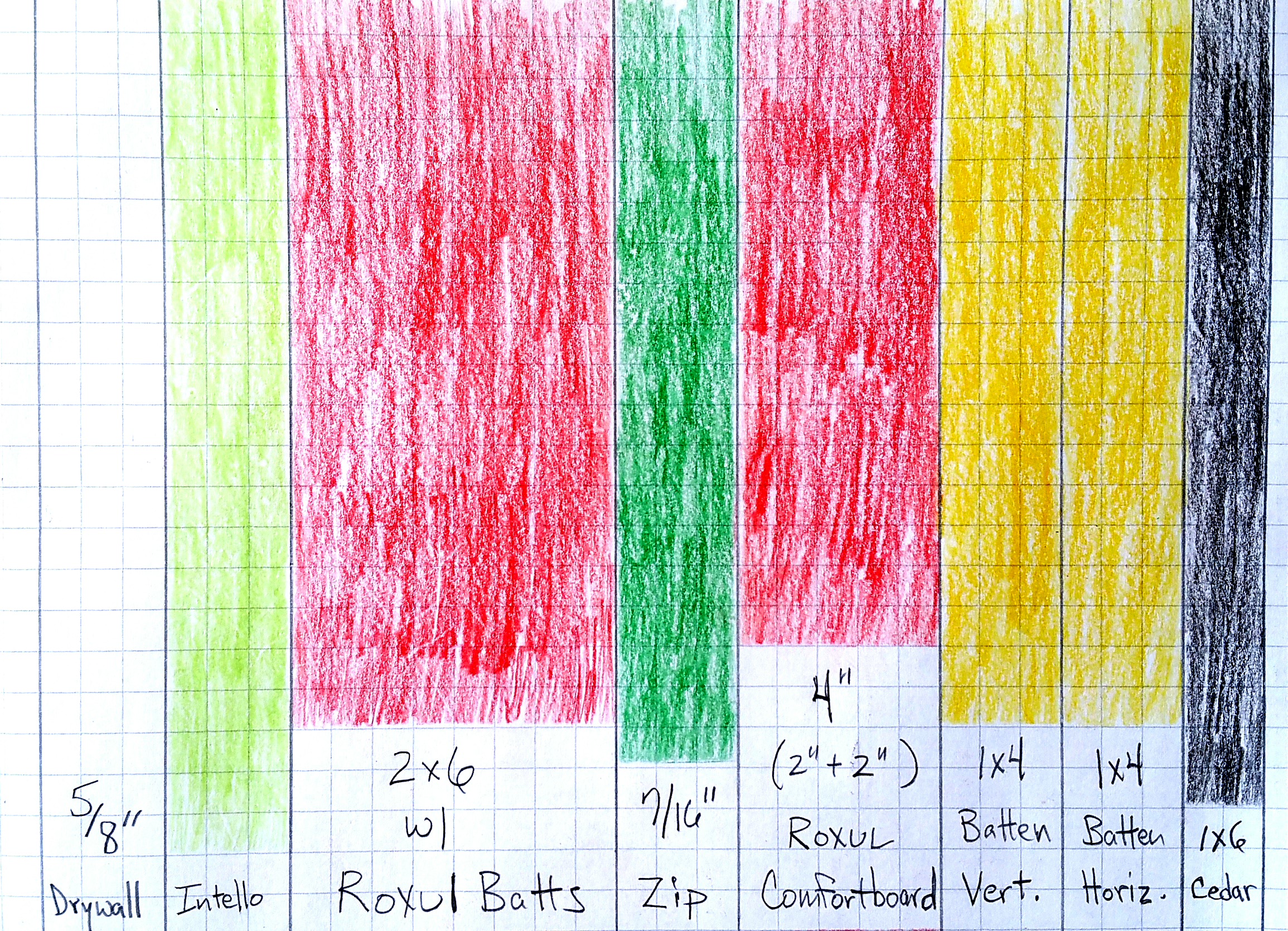









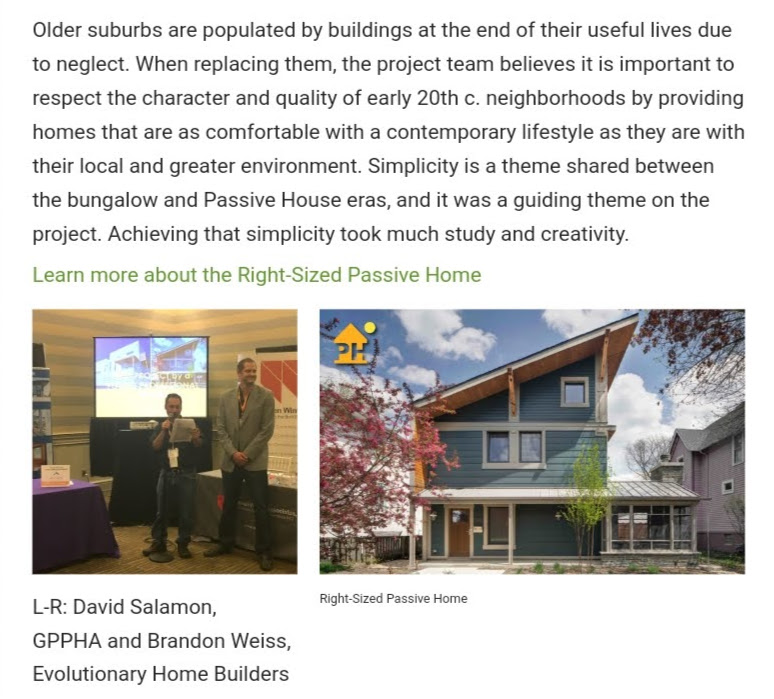



 kimchi & kraut
You must be logged in to post a comment.